Diverging HBM4 certification timelines are reshaping 2026 market share, with Samsung gaining ground as SK hynix faces delays.
As AI power and heat surge, legacy storage faces thermal bottlenecks. Giants driving thin, blade-like form factors to optimize airflow and surface area. While legacy builds dominate short-term due to business reality, next-gen interfaces will speed the shift, making new form factors vital infrastructure.
NVIDIA advances its 800V Power Rack roadmap, with mass adoption expected from Rubin Ultra onward, while North American data center buildouts face delays from grid and equipment constraints.
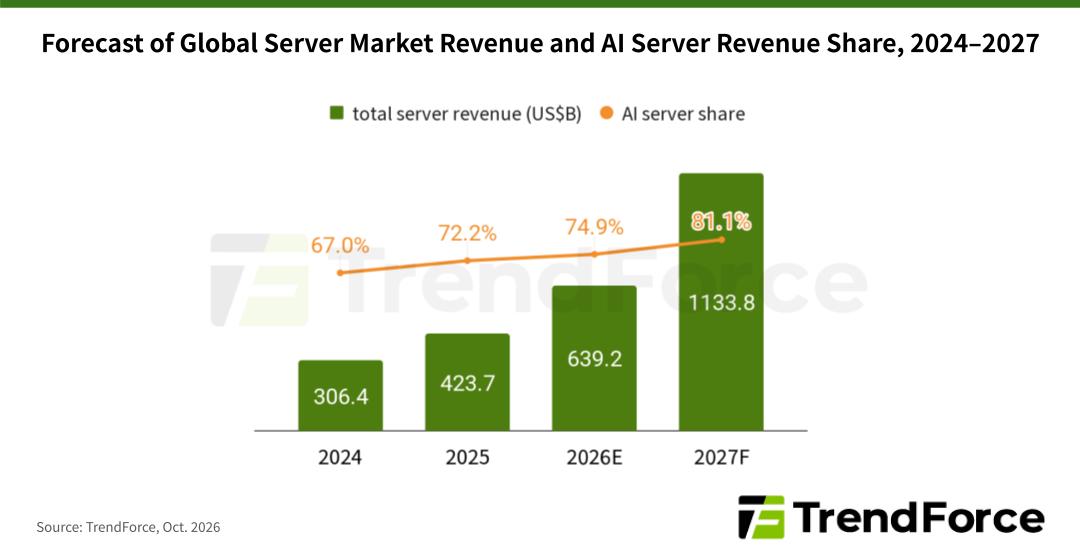
Global server growth accelerates in 2026 as CSPs expand AI infrastructure investment and custom silicon adoption reshapes procurement strategies.
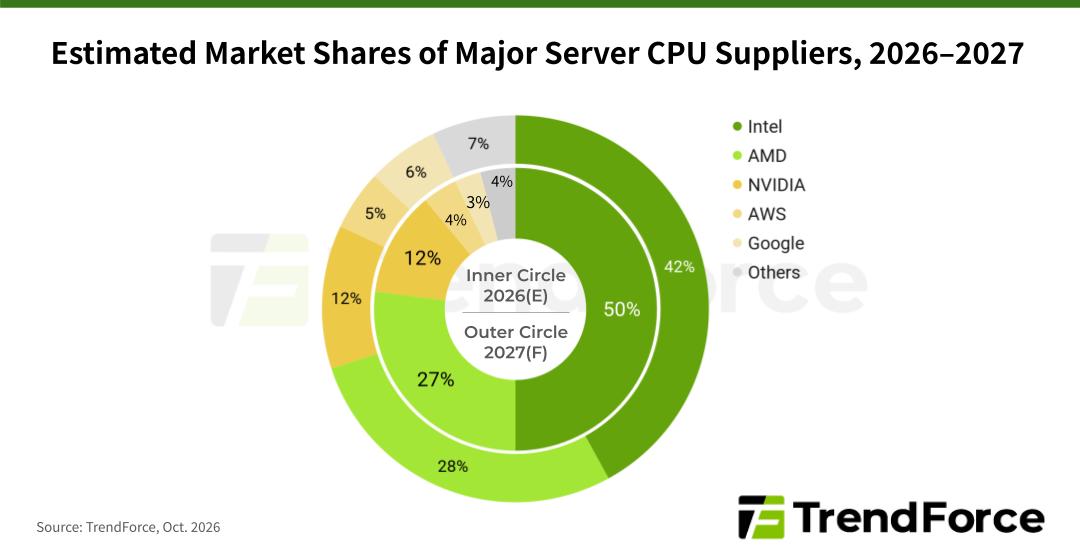
As AI shifts from training to inference and agentic workloads, Server CPU evolves from auxiliary to core orchestrator, lifting both ARM and x86 demand into a new growth cycle.
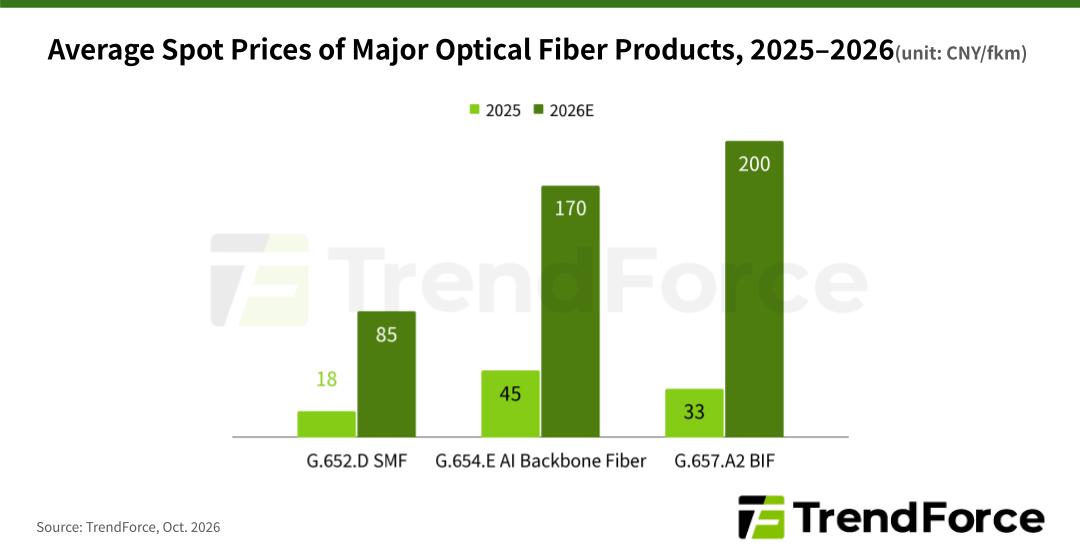
The year 2026 marks the watershed transition of AI data center optical interconnects from adoption to mass production. The actual volume driver is not scale-out CPO switches, but GPU scale-up networks. Competition is also elevating from pure PIC foundries to integrated optical engine platforms that combine PICs, EICs, packaging, lasers, and optical coupling. Success in mass production will depend on yield, field-serviceable connectors, InP/CW laser supply, and strategic ecosystem positioning.
HBM 2027 supply talks remain unresolved as suppliers push for steep price hikes; NVIDIA's SOCAMM adjustment reflects supply constraints, not demand reduction.
AI demand and proprietary chip adoption drive upward revisions in global server shipments. Despite supply bottlenecks, memory face severe shortages and soaring prices. AMD and alternative architectures gain market share, putting pressure on the traditional market leader.
Beyond full-rack solutions, NVIDIA is also actively promoting its standalone Vera CPU to capture the AI inference market. However, given the LPDRAM supply bottleneck, NVIDIA has decided to reduce the memory module capacity on its next-generation platforms to ensure shipment volumes align with market share targets. As AI applications continue to expand, the AI server ecosystem has the potential to become the single largest outlet for global LPDRAM, surpassing smartphone applications.
Driven by agentic AI applications, the server DRAM market experienced explosive growth. The need for models to handle complex computations and offload long contexts has led to a severe shortage of key modules. Despite hardware supply bottlenecks, cloud service providers continue aggressive procurement, depleting manufacturers' inventories to critical lows. Contract prices are surging, with this under-supply and upward price trend expected to persist long-term.
Research Areas:
Industry News