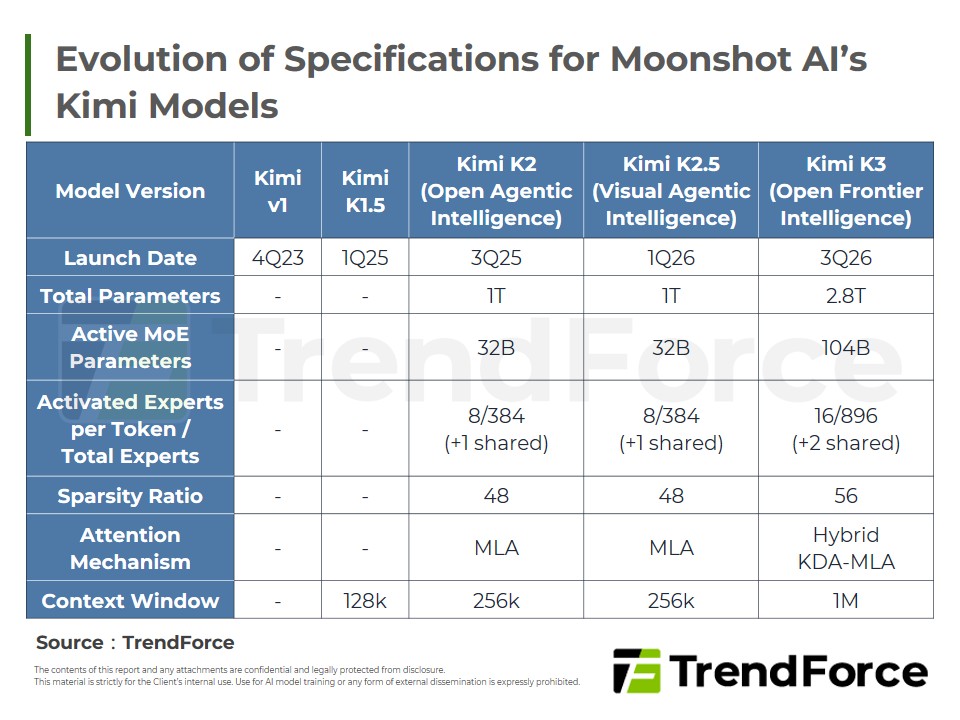
On July 27, 2026, the Chinese AI startup Moonshot AI officially open-sourced the weights for its flagship AI model, Kimi K3. Boasting a total parameter count of 2.8 trillion (2.8T), Kimi K3 currently stands as the world’s largest open-source model, establishing a new benchmark for frontier AI models in China. Shortly after, DeepSeek released DeepSeek V4 Flash on July 31, and Alibaba Cloud announced Qwen 3.8 Max on August 3. These rapid developments have fueled market discussions regarding a potential “second DeepSeek moment” and the intensifying US-China AI rivalry.
This report provides an in-depth analysis of the following: (1) an overview of Kimi K3, Qwen 3.8 Max, and DeepSeek V4 Flash; (2) a dissection of Kimi K3’s core technologies; and (3) a comparative analysis of AI models developed in China and the United States. This report aims to evaluate mainstream Chinese AI models, elucidate the underlying technical principles and trends of Kimi K3, and assess the competitive landscape between Chinese and American AI capabilities.
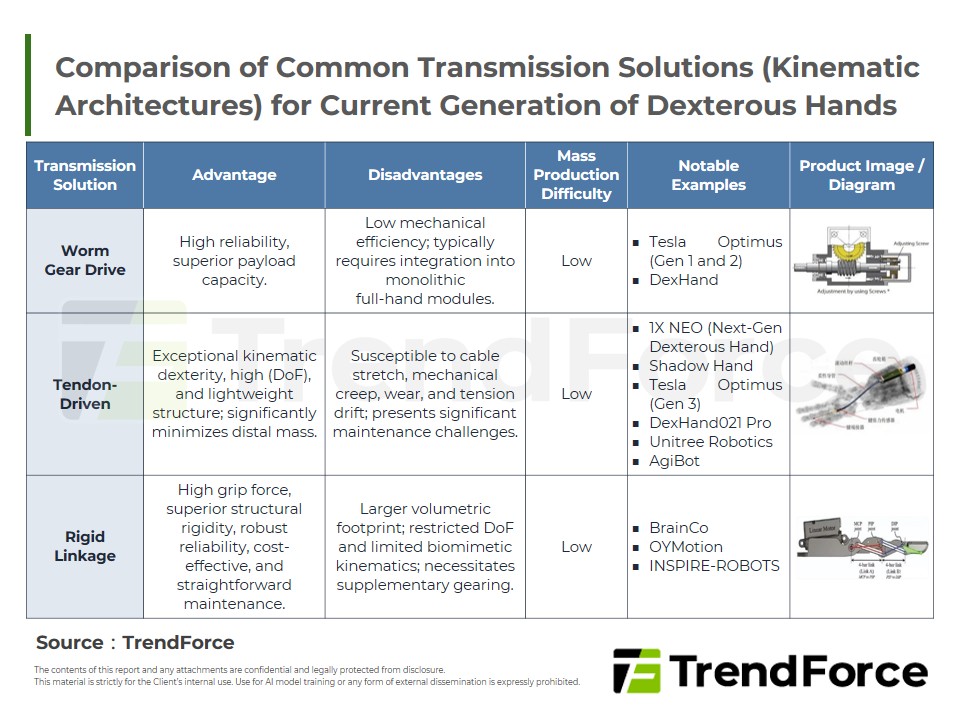
Dexterous hands are one of the most costly core modules in humanoid robots. As robot shipments grow, the market for dexterous hands expands in lockstep, and capital is rapidly flowing into specialized dexterous‑hand module manufacturers. Specialist vendors, based on requirements for degrees of freedom, payload, and sensing, have developed three main technical routes: screw‑linkage, tendon‑driven biomimetic, and high‑perception designs, and they offer multiple product lines tailored to different scenarios. Among whole‑machine manufacturers, Tesla has adopted a high‑precision in‑house R&D route; its mass‑production readiness and reliability validation still remain to be fully proven. 1X, by contrast, focuses on home scenarios and compliant interaction, using low‑gear‑ratio tendon drives combined with tactile “skin.”
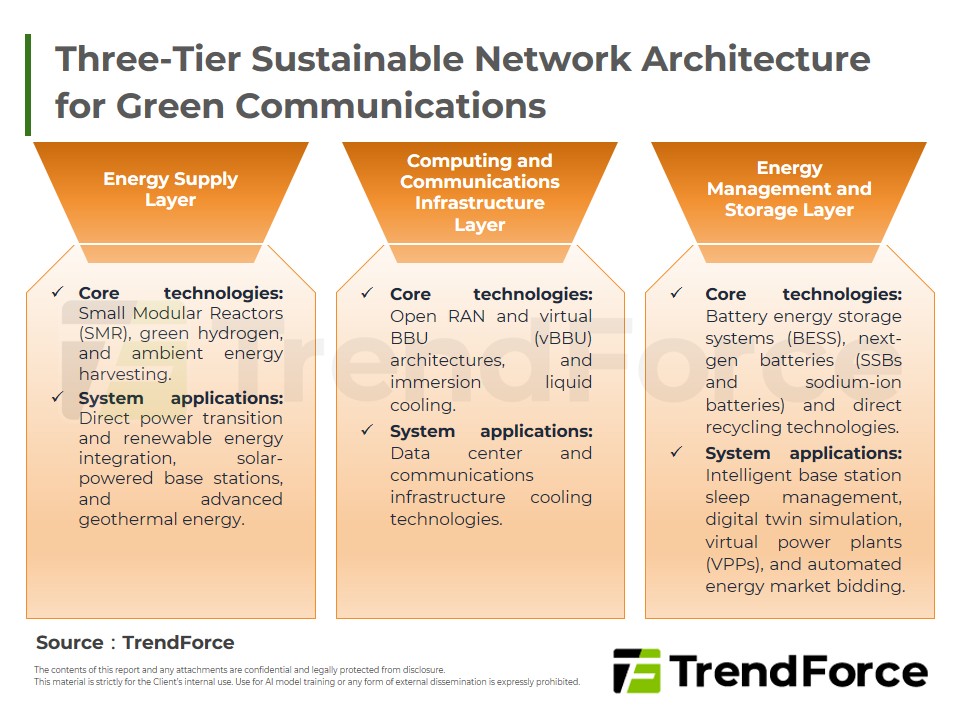
Green communications leverages nuclear power, liquid cooling, and virtual power plants to overcome energy barriers for 5G and AI, integrating green hydrogen and small reactors for low-carbon power while adopting open architectures and advanced cooling.
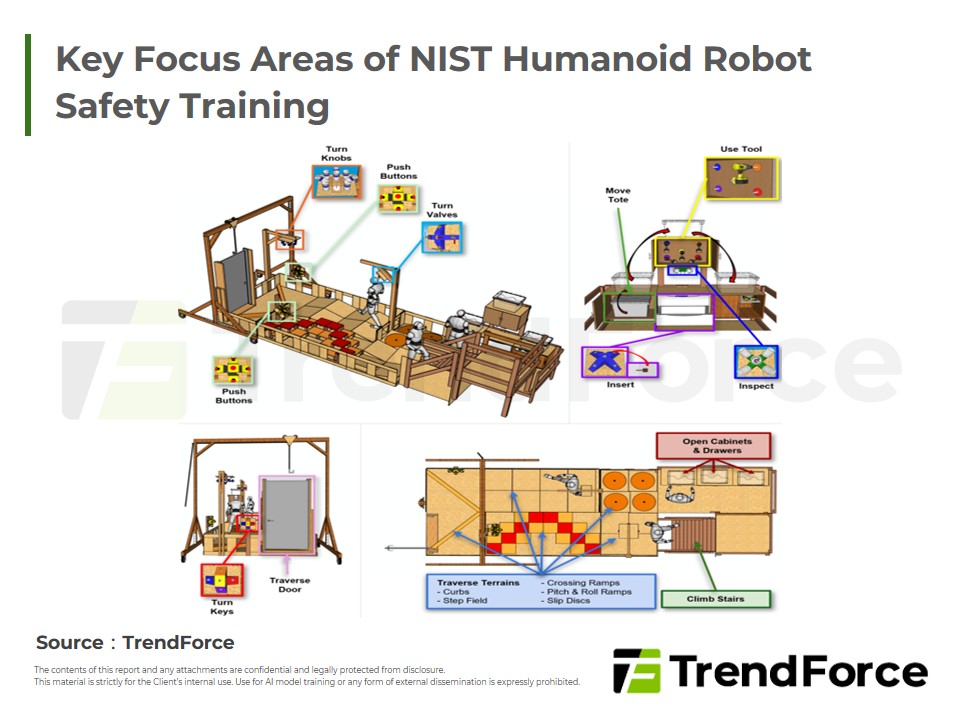
The global humanoid robotics industry is advancing rapidly across three key hubs—China, North America, and the broader Asian supply chain—and is approaching a pivotal inflection point around 2026 as the industry transitions from technology validation to early commercialization.
The evolution of the ecosystem showcased at EAI SHOW, the growing pressure for commercial deployment highlighted at the Robotics Summit, and the advances in supply chain capabilities and computing platforms demonstrated at COMPUTEX all indicate that industry competition is shifting away from isolated technological breakthroughs toward system-level competition encompassing AI foundation models, critical components, and standard ecosystems.
Against this backdrop, humanoid robots are no longer viewed merely as an extension of industrial automation. Instead, they are increasingly emerging as the primary embodiment of next-gen Physical AI and a key catalyst for industry-wide transformation.
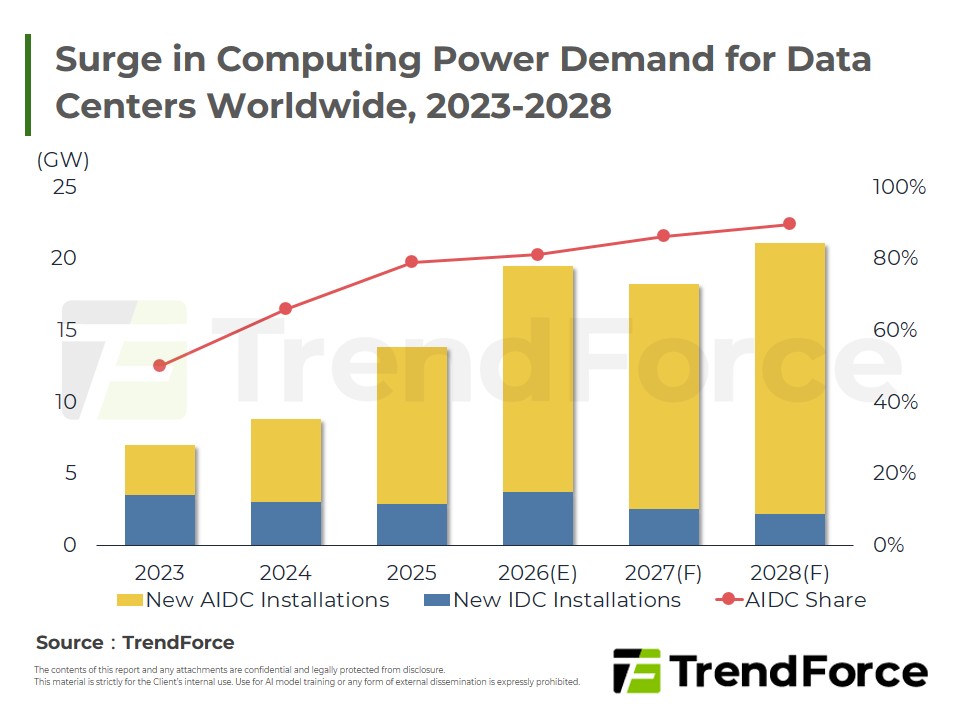
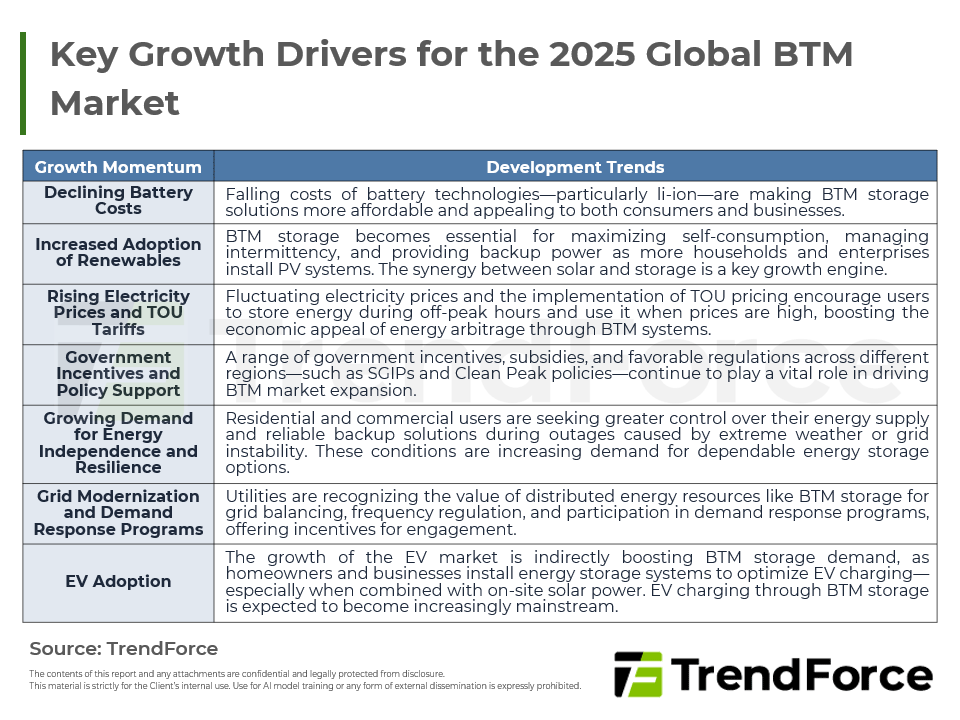
The global energy storage industry will reach a pivotal turning point in 2026. The explosive growth of artificial intelligence data centers (AIDC) is creating a lucrative, high-growth blue ocean for an energy storage sector previously bogged down by price wars. AIDCs—characterized by high power demands, intense load fluctuations, and massive energy consumption—impose rigorous requirements on grid stability, uninterrupted power supply, and green energy utilization. Consequently, energy storage for AIDCs is shifting from an “optional add-on” to “essential infrastructure.” The global energy storage market is now entering a new growth cycle fueled by the dual forces of computing power expansion and the broader energy transition.
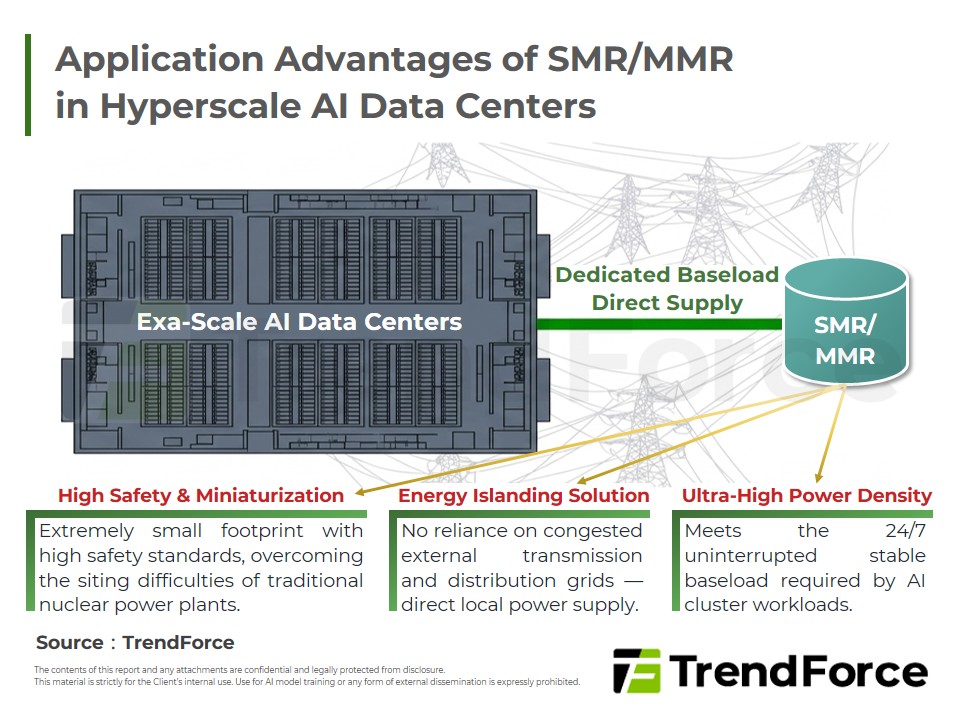
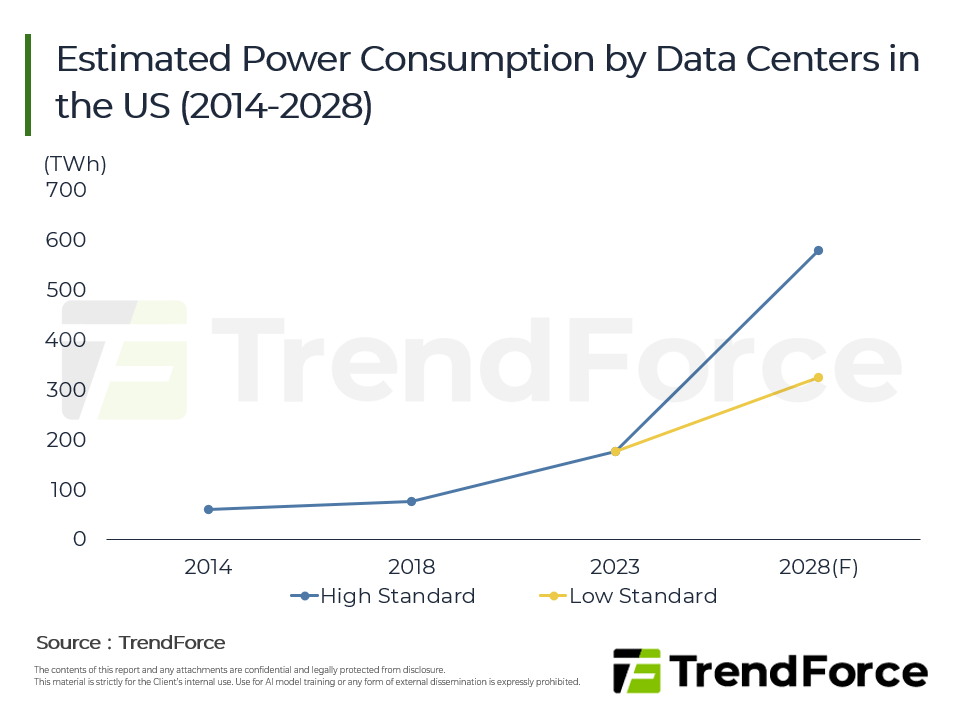
This report provides an in-depth analysis of the mutual empowerment relationship between AI computing power and power systems in 2026. As global data center electricity consumption is expected to exceed 600 TWh, CSPs are accelerating investments in SMR, deep geothermal, and other baseload green energy sources to secure energy sovereignty. Meanwhile, the widespread adoption of long-duration energy storage technologies (such as VRB and CAES) and HVDC architecture is addressing the intermittency challenges of renewable energy. AI has evolved from being a mere power consumer into the core intelligence of Virtual Power Plants (VPPs), coordinating V2G technology to optimize loads and reshape the resilience of global power grid transformation.
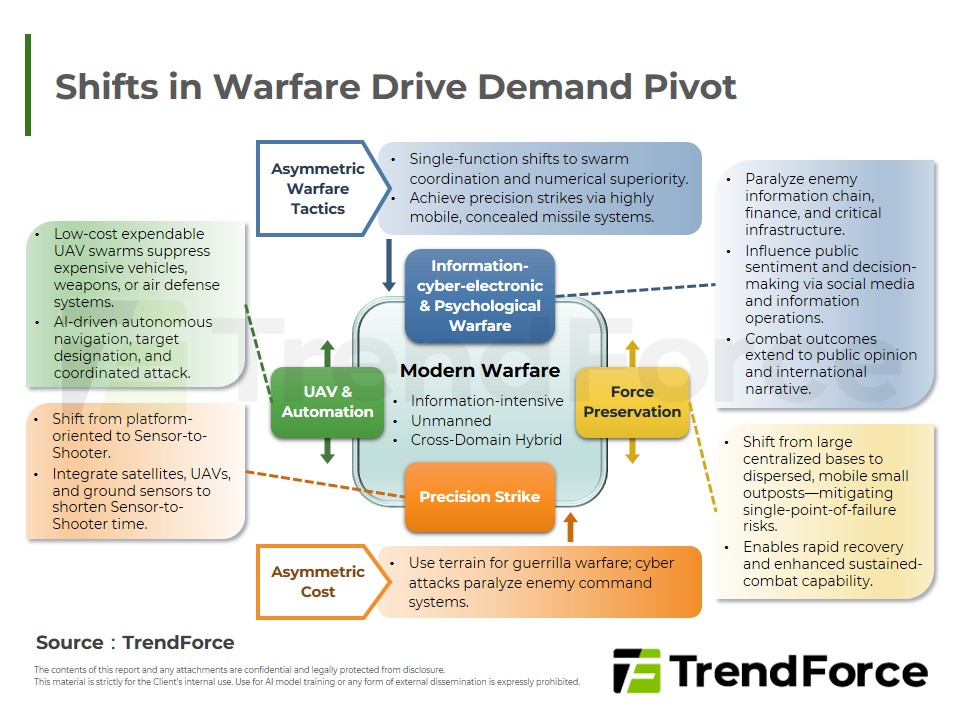
Intensifying global geopolitical conflicts are driving up defense spending, and warfare is pivoting toward asymmetric and information warfare, making low-cost unmanned vehicles (UAVs) crucial. China is deepening military-civilian integration to break through technology controls, while Taiwan is fully developing localized UAV and AI defense supply chains to strengthen resilience.
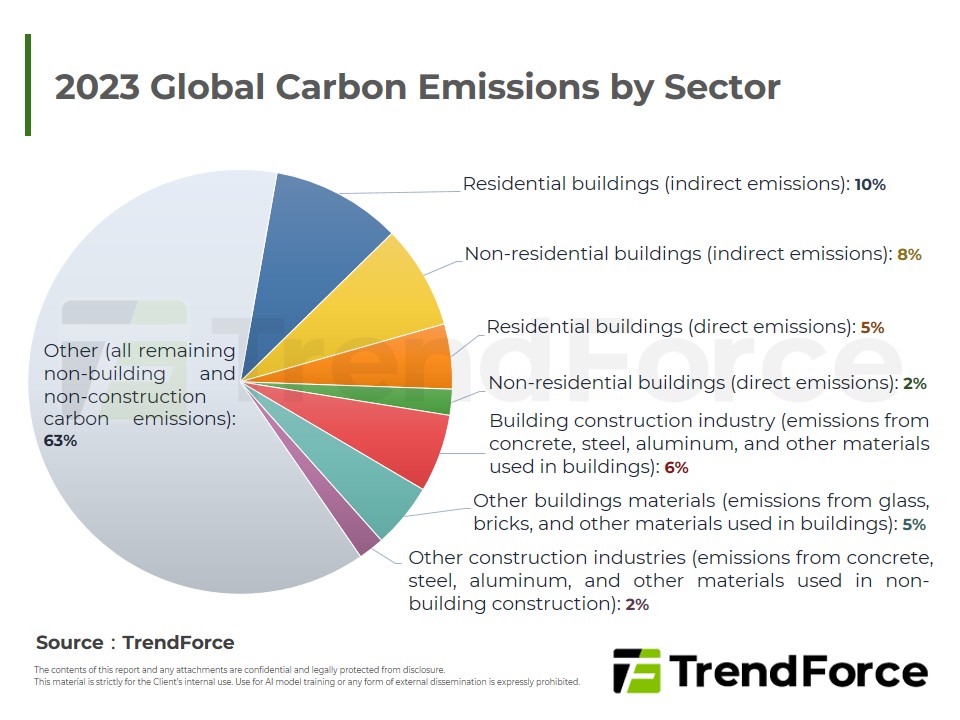
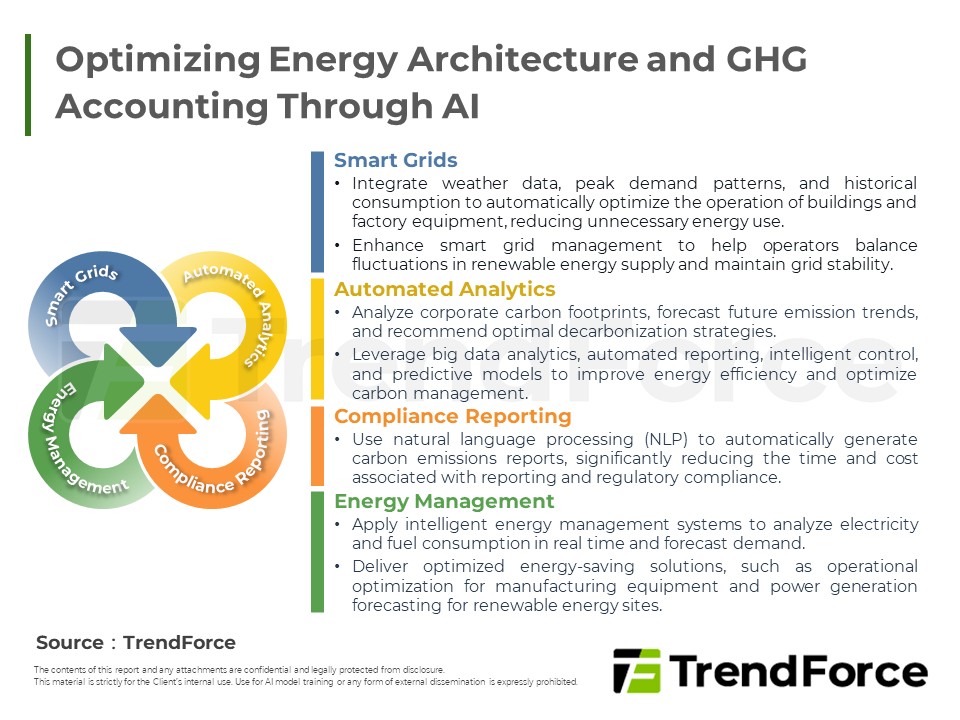
The global net-zero transition continues to gain momentum, driven by carbon pricing mechanisms such as emissions trading, carbon fees, and cap-and-trade systems. In response, major manufacturers are advancing net-zero commitments and strategies, while AI applications are increasingly recognized as a key enabler of corporate net-zero transformation.
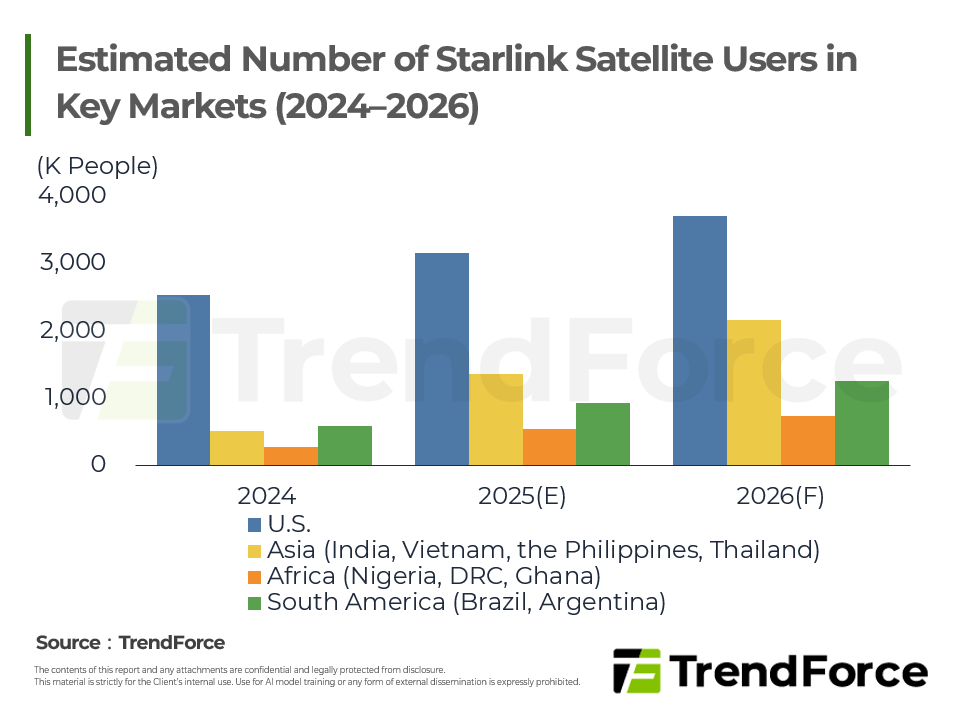
The global satellite market is expected to reach $392 billion in 2026. Competition will intensify as Starlink continues expanding satellite broadband and direct-to-cell (D2C) services into emerging markets, prompting MEO/HEO/GEO satellite operators to accelerate multi-orbit deployment strategies to counter Starlink’s growing influence.
Meanwhile, early-stage 6G deployment is underway. As global satellite service markets rapidly scale, Taiwanese manufacturers are shifting production bases to Southeast Asia while increasing shipments of key satellite components.
Companies have been accelerating the construction of AI data centers and soaring in AI server shipment since 2024. The electricity consumption of data centers in the US has also entered a high-growth phase. This report identifies the growth trend of electricity demand for data centers in the US, analyzes the development direction of the new generation of the US power grid, elaborates on the role of energy storage in the grid, and finally focuses on the energy storage supply chain that is likely to benefit.