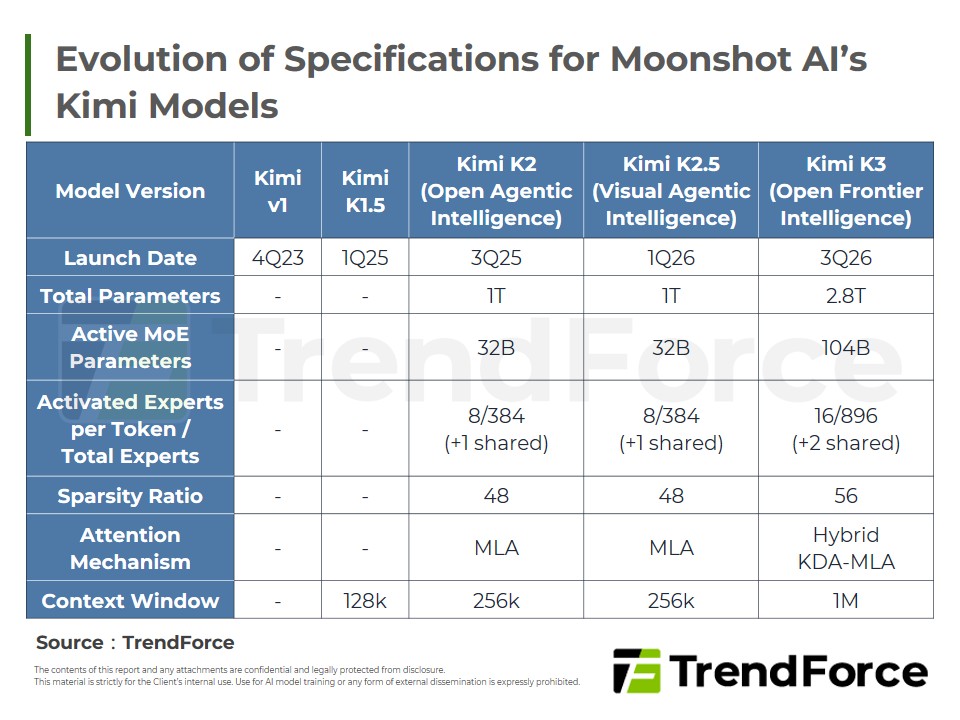
On July 27, 2026, the Chinese AI startup Moonshot AI officially open-sourced the weights for its flagship AI model, Kimi K3. Boasting a total parameter count of 2.8 trillion (2.8T), Kimi K3 currently...
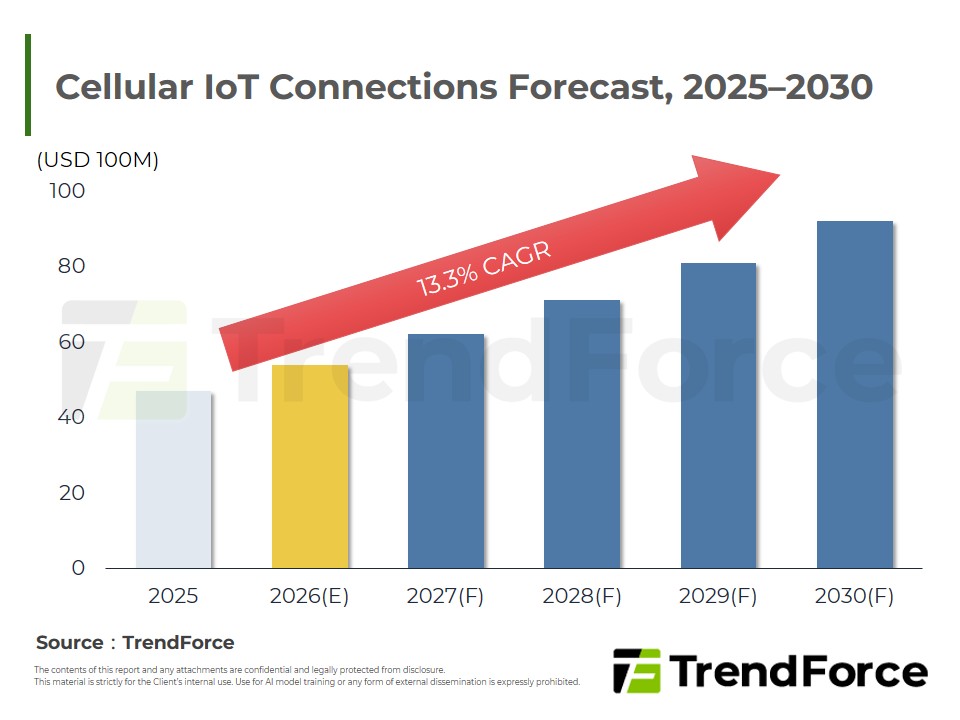
The market once expected 5G to become the universal connectivity standard for the Internet of Things (IoT) and believed that AI would drive computing power toward the network edge. However, as of 2026...
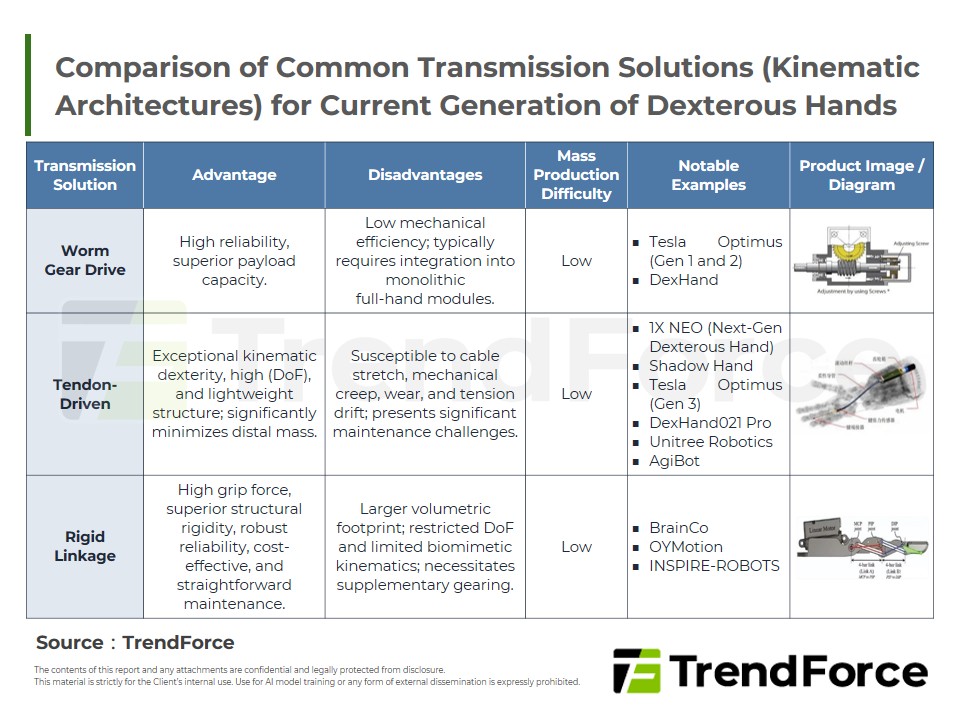
Dexterous hands are one of the most costly core modules in humanoid robots. As robot shipments grow, the market for dexterous hands expands in lockstep, and capital is rapidly flowing into specialized...
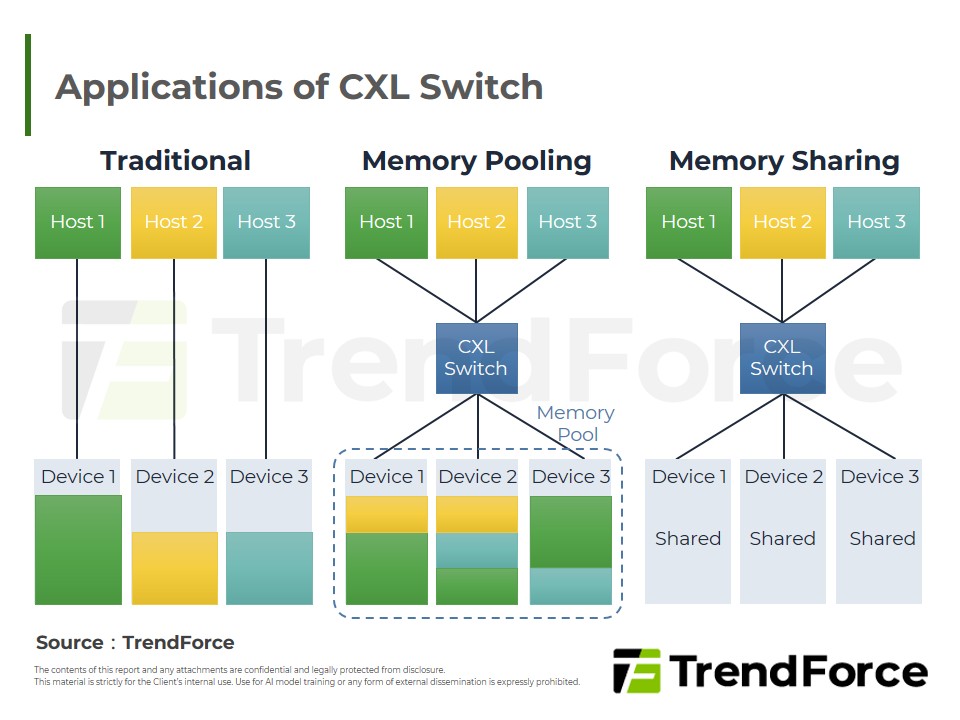
During the first half of 2026, surging demand for KV Cache coupled with constrained memory supply resulted in severe memory bottlenecks. To resolve the KV Cache bottlenecks, industry players are seeki...
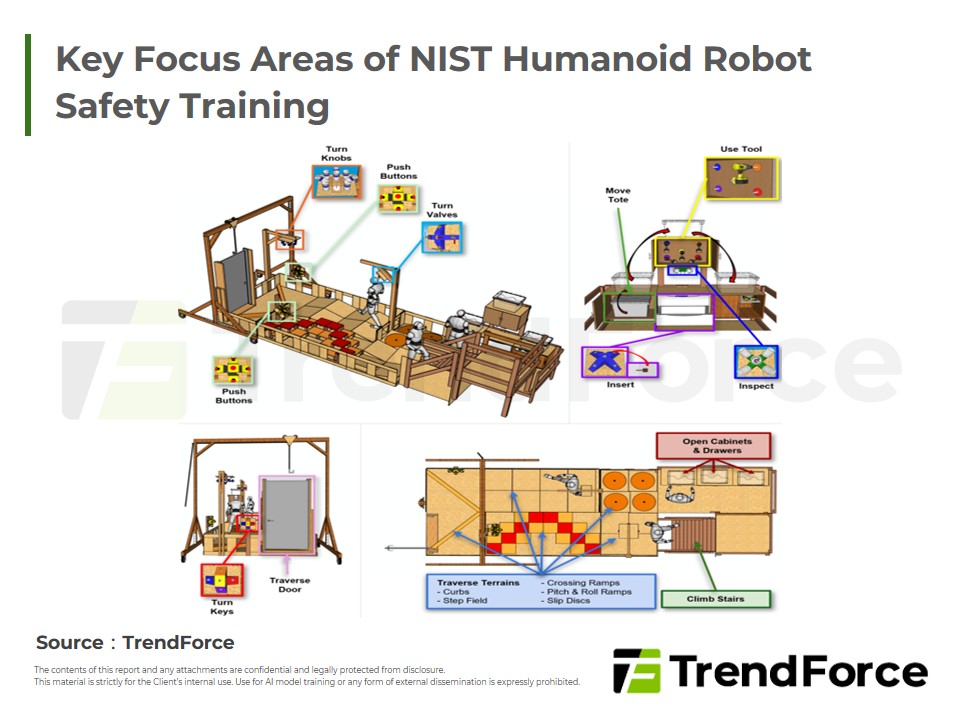
The global humanoid robotics industry is advancing rapidly across three key hubs—China, North America, and the broader Asian supply chain—and is approaching a pivotal inflection point around 2026 as t...
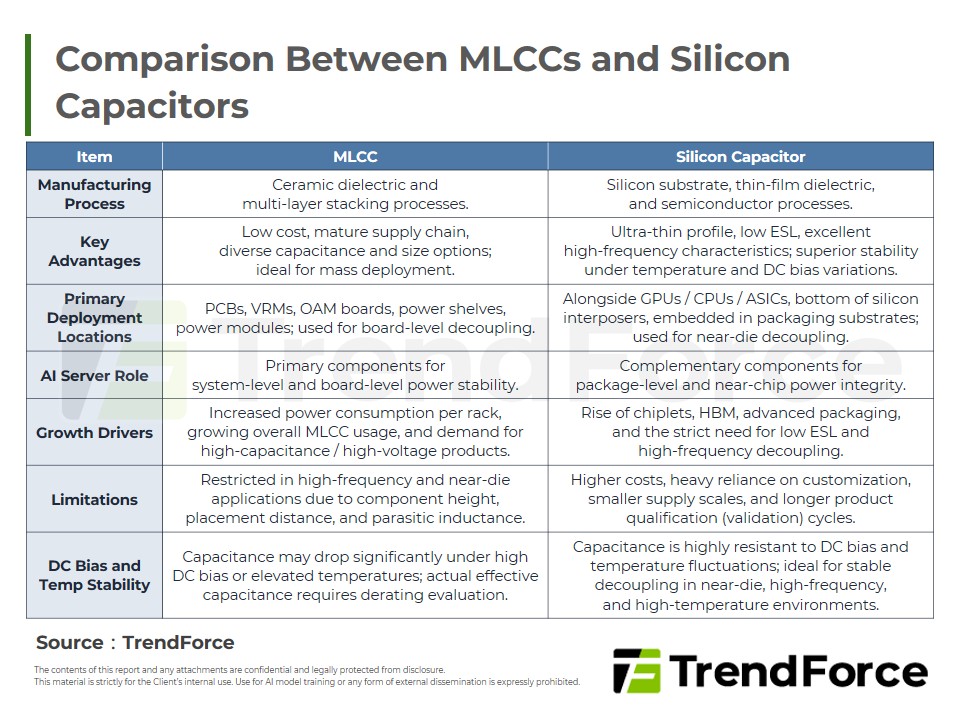
The need for power integrity in AI servers is extending from the board level directly into the package. This shift is driving a transition in capacitor technology, moving beyond a sole reliance on tra...
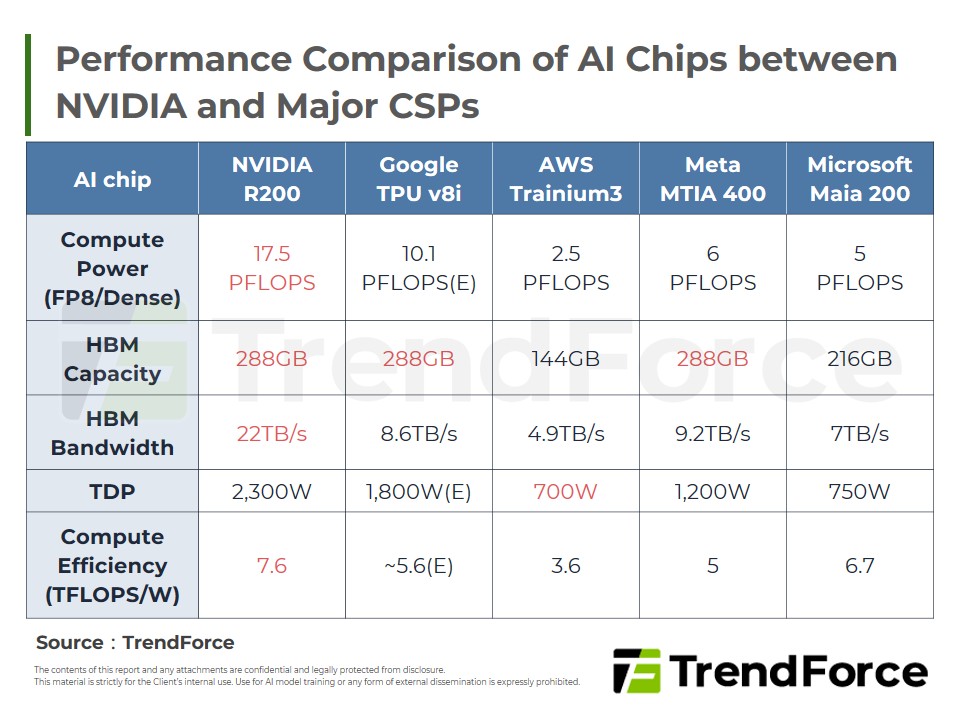
On February 16th 2026, MediaTek CEO Rick Tsai stated in his ISSCC 2026 keynote that the basic unit for measuring AI compute efficiency will no longer be just the AI chip, but the entire AI system, inc...
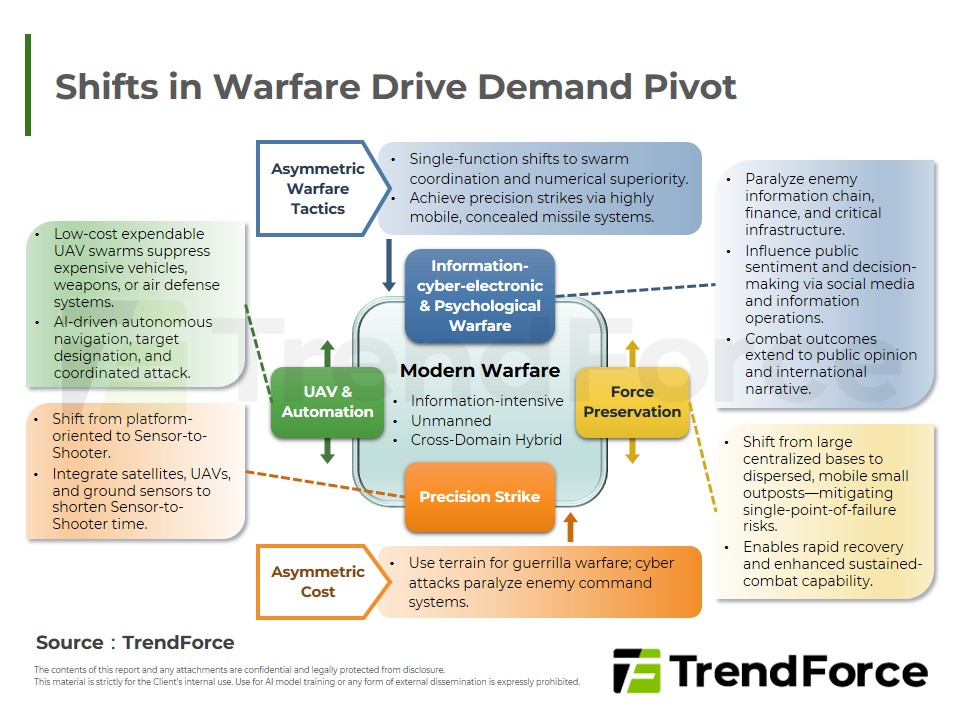
Intensifying global geopolitical conflicts are driving up defense spending, and warfare is pivoting toward asymmetric and information warfare, making low-cost unmanned vehicles (UAVs) crucial. China i...
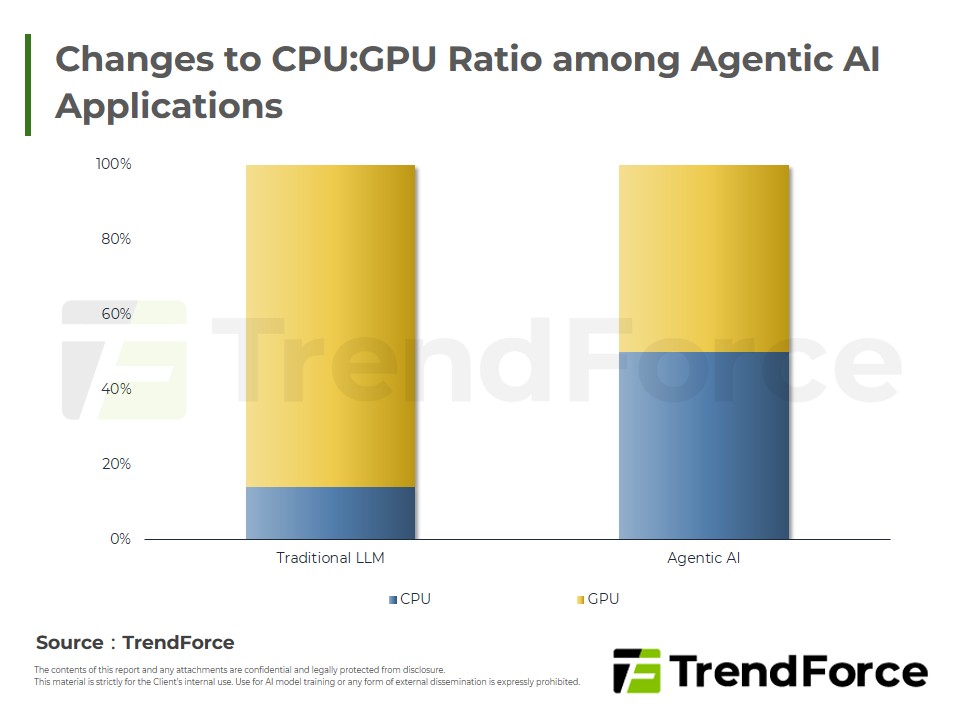
On March 16th 2026, NVIDIA used GTC to debut the first standalone Vera CPU Rack for sale. On March 25th, Arm announced its own Arm AGI CPU and introduced two CPU rack variants (air‑cooling and liquid‑...
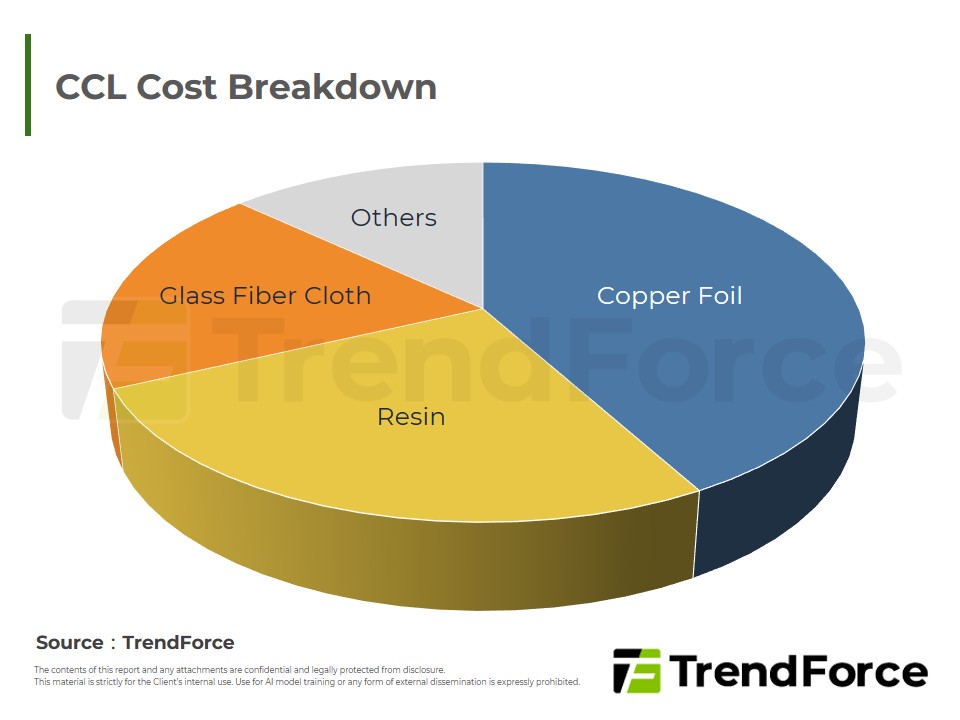
NVIDIA once again showcased its Rubin-series chips and rack systems—scheduled for launch by the end of 2026—at GTC 2026 on March 16th. Compared to the previous generation, the Rubin series boasts sign...
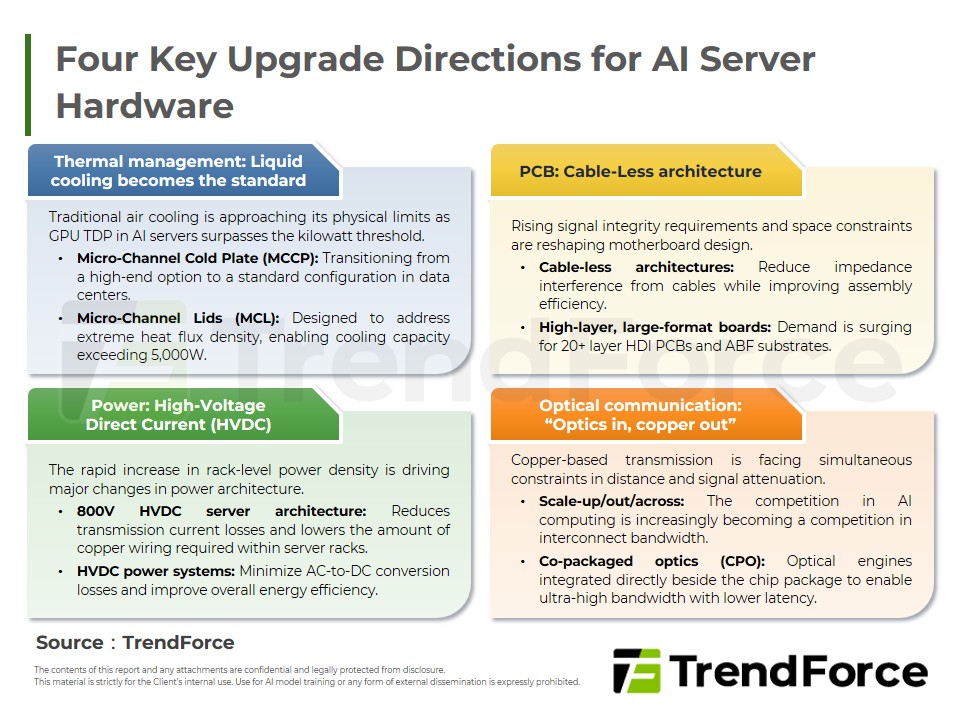
As data centers adopt HVDC architectures to reduce grid-to-chip power losses, demand for advanced power conversion and next-gen semiconductors surges. Meanwhile, Asian manufacturers continue to domina...
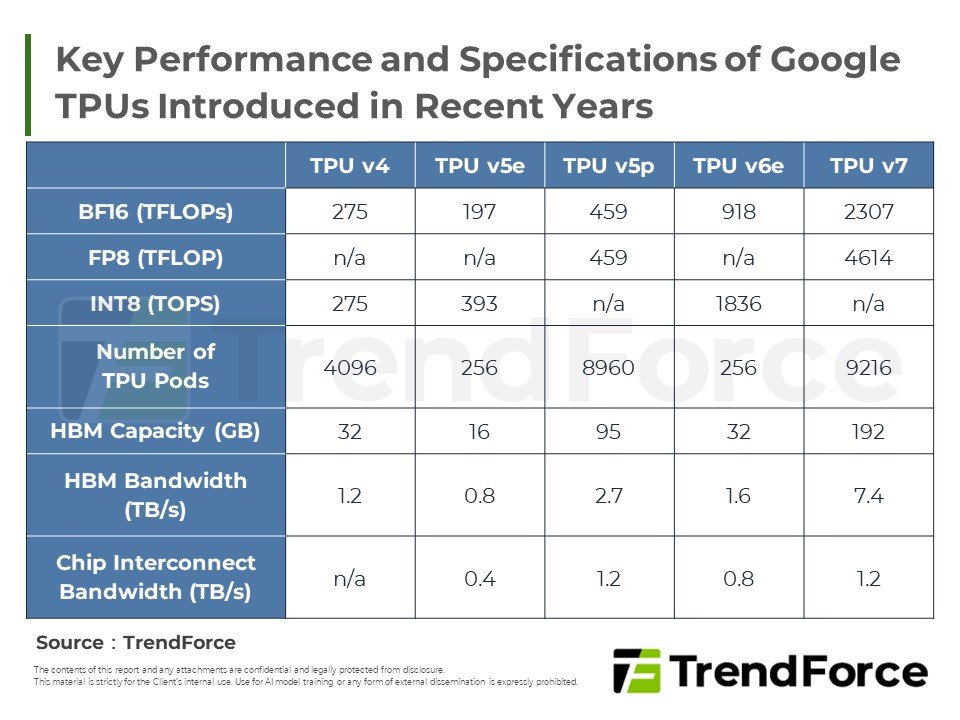
AI chips represent the core cost component of computing infrastructure. Recently, reports that Google’s TPU has been adopted by several leading companies have drawn attention to the possibility of mor...
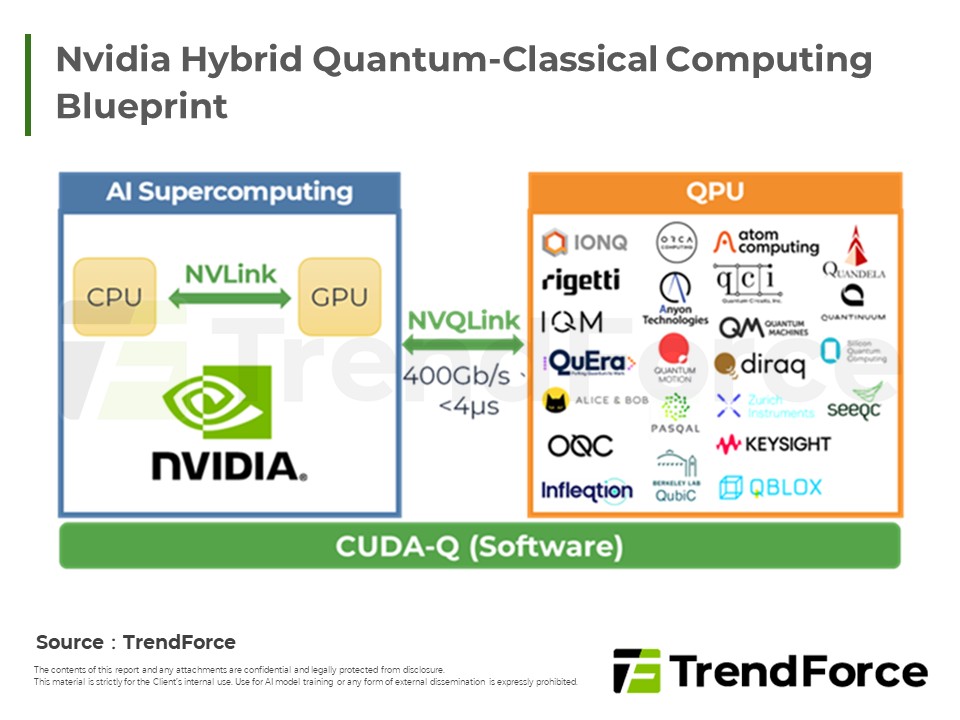
As AI compute demand grows exponentially, the physical limits of traditional silicon-based chips are rapidly becoming apparent. The world is accelerating into a disruptive “post-GPU era,” in which qua...
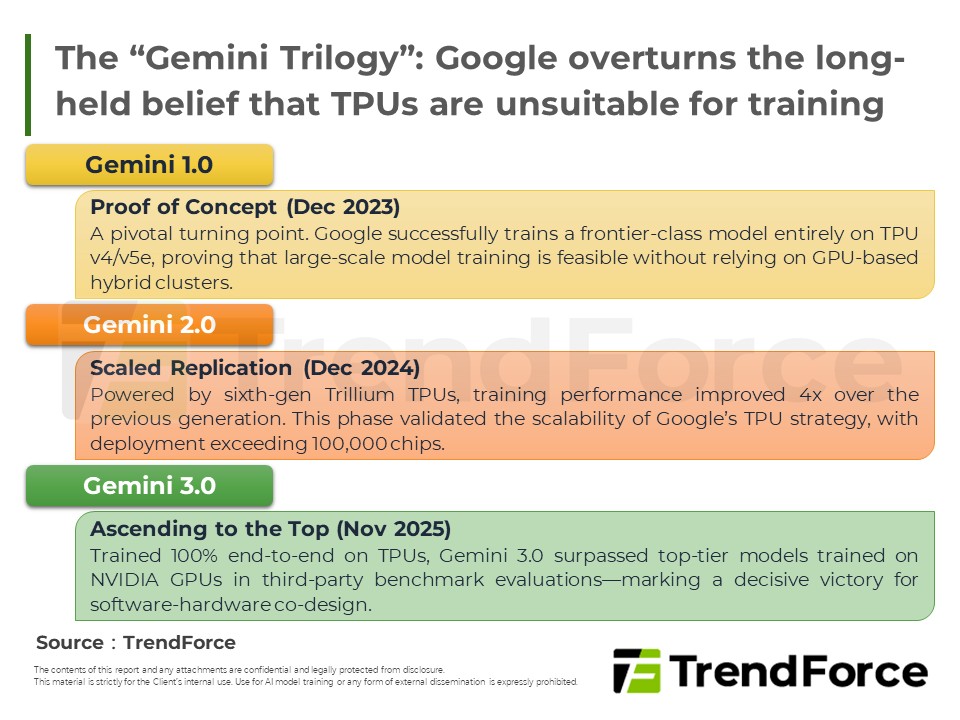
The global AI hardware market continues to expand, driven by increasing CSP capital expenditures and accelerated procurement of advanced computing resources. In response, companies are partnering with...
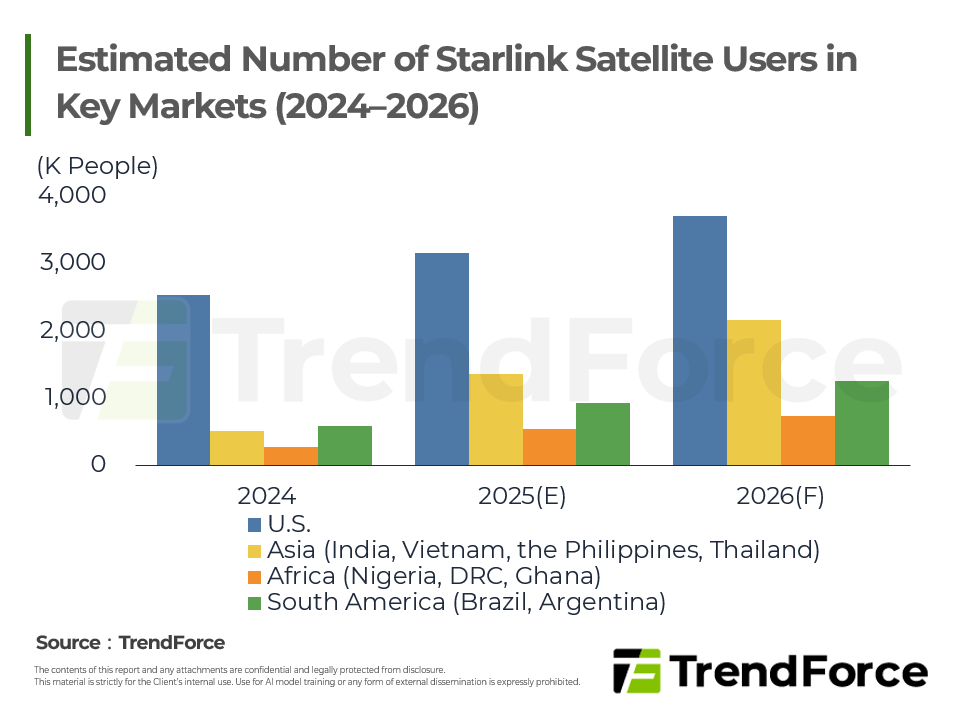
The global satellite market is expected to reach $392 billion in 2026. Competition will intensify as Starlink continues expanding satellite broadband and direct-to-cell (D2C) services into emerging ma...