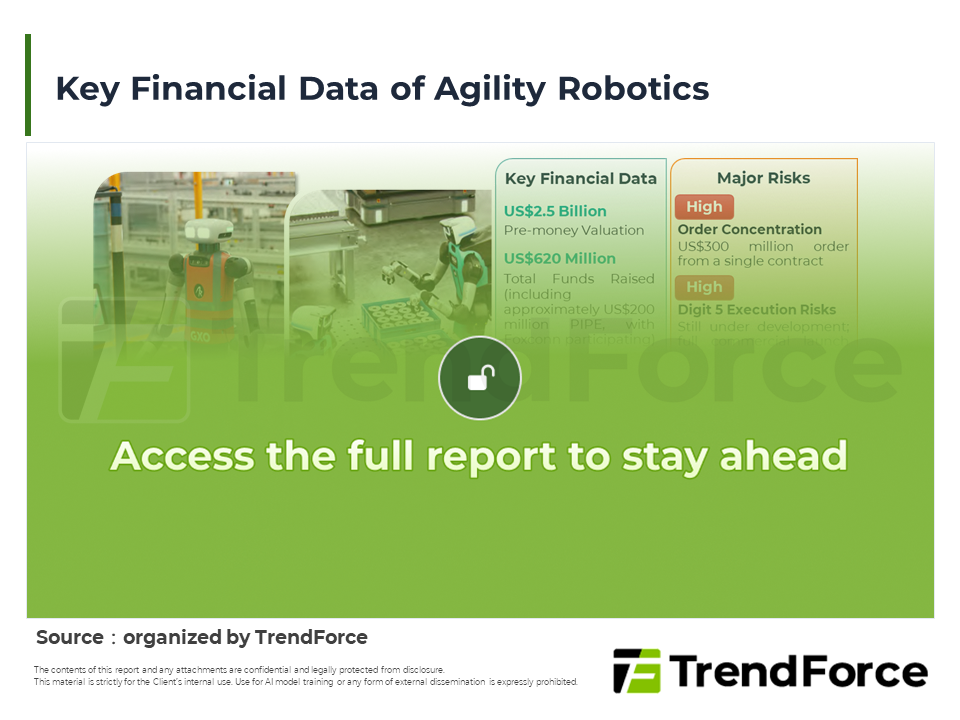
Agility Robotics is tapping the public market through a SPAC merger with real deployment experience but still-small revenue and heavy spending, while Unitree's post-listing share price correction show...
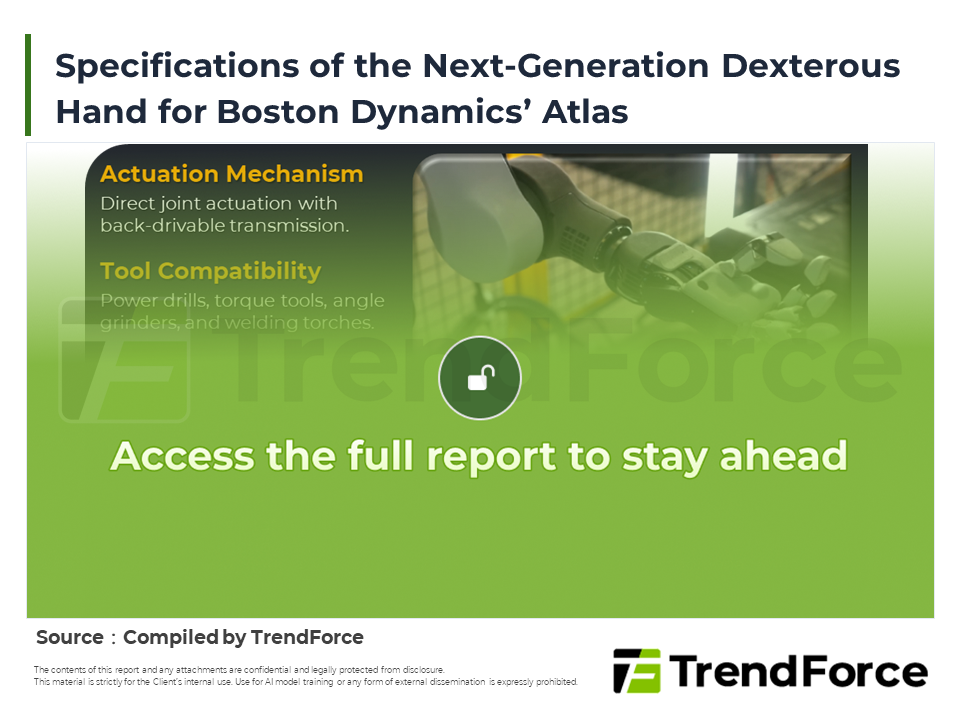
Boston Dynamics is choosing a lean, task-driven hand designed with mass production in mind, while Tesla's pursuit of near-human dexterity has made manufacturing its toughest bottleneck, a split t...
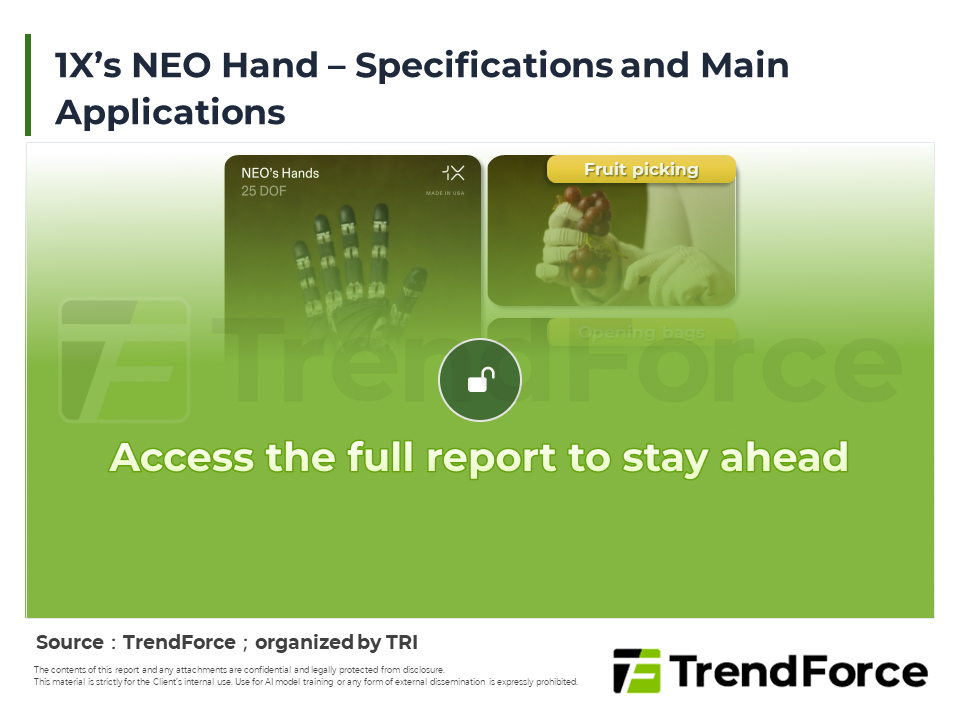
4Q26 humanoids diverge: West eyes industrial, home use; China pushes dynamic, service bots; dexterity, edge AI now key.
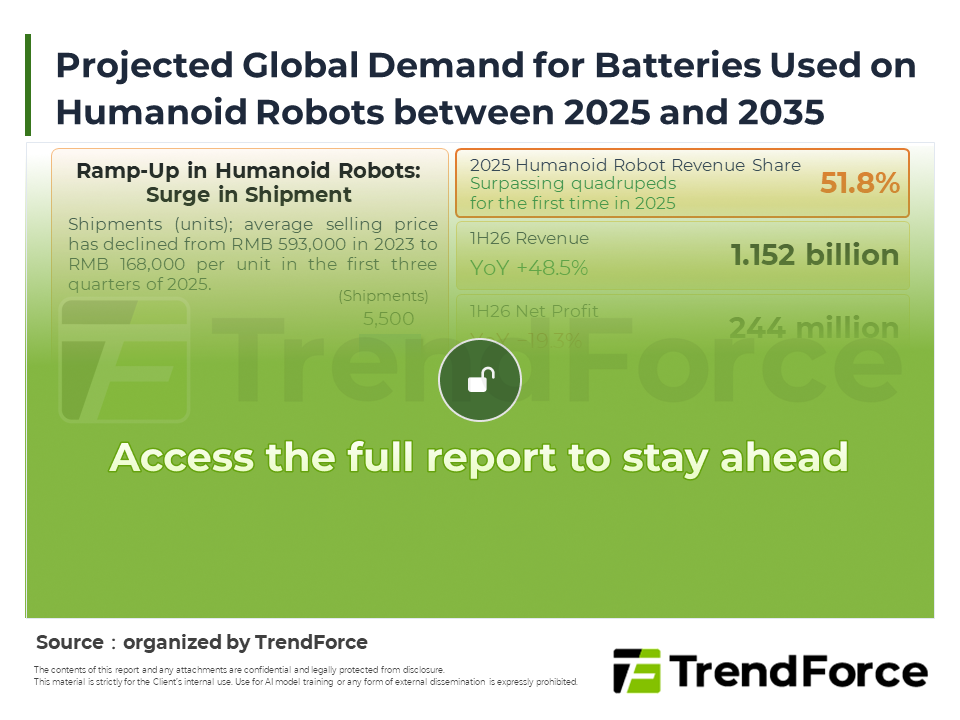
H2 2026 saw humanoids move from output planning to real deployment, capital favoring leaders, sensing tech now pivotal.
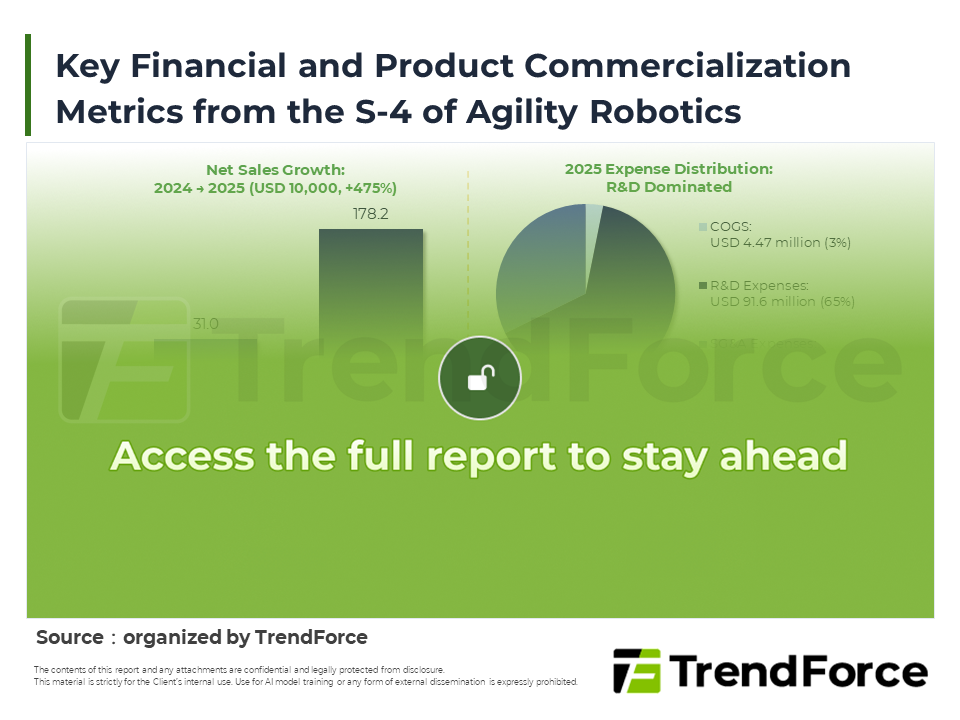
Agility Robotics' filing shows big orders but thin revenue, underscoring humanoid robotics' profitability challenge.
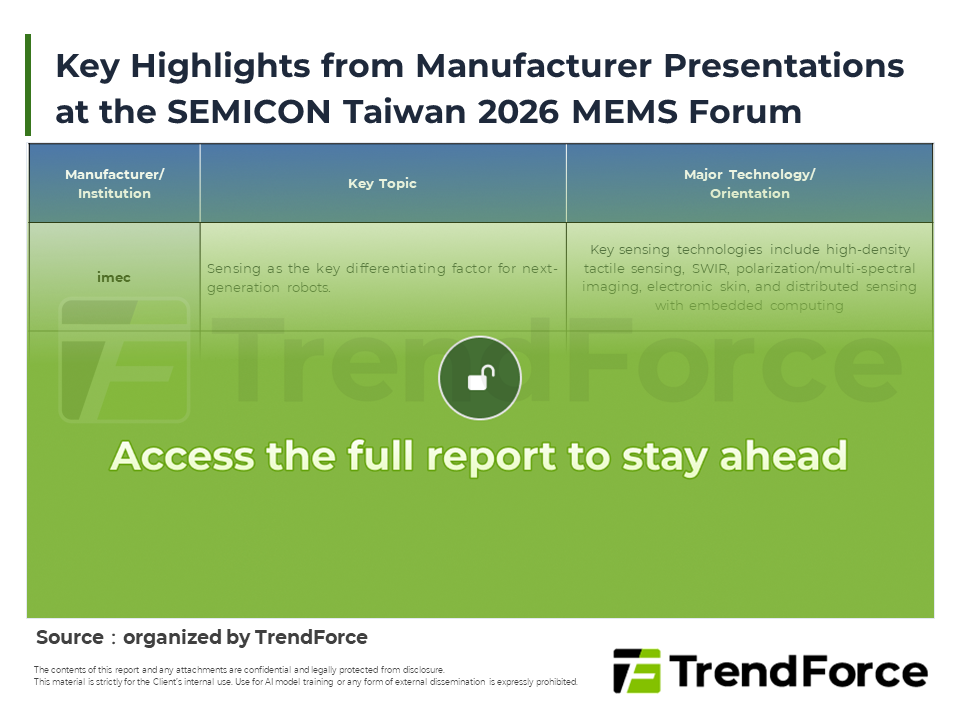
SEMICON Taiwan 2026 highlights MEMS shifting from single-mode to multimodal sensing, enabling humanoid edge AI and e-skin, with scale adoption in 2028-2030 reshaping the sensor supply chain.
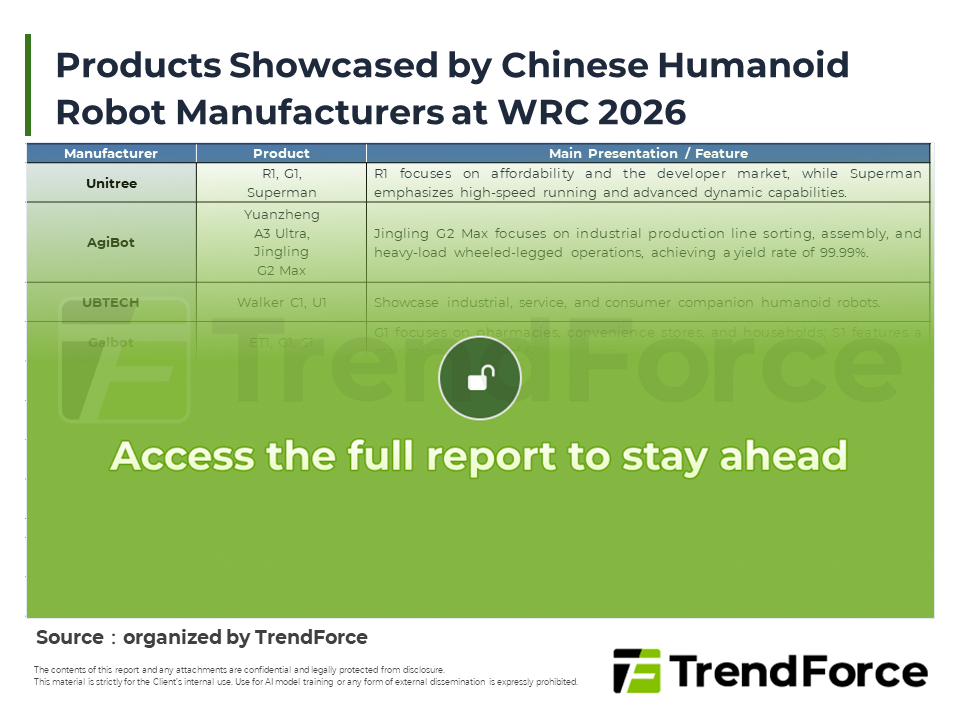
WRC 2026 shows China humanoids moving from acrobatic demos to real logistics, assembly and retail tasks, with 2026 output set to top 100,000 units, yet ROI and consolidation tests just begin.
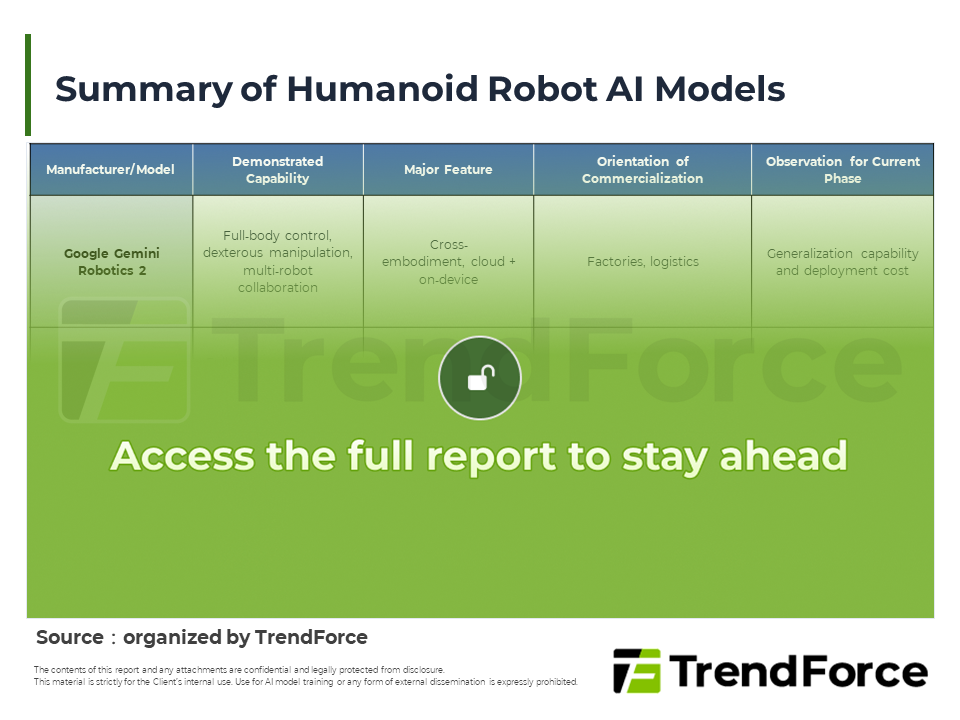
Google's Gemini Robotics 2 unlocks whole-body control while ER 2 enables long-horizon planning, shifting humanoid AI from single tasks to sustained operation and reshaping hardware competition.
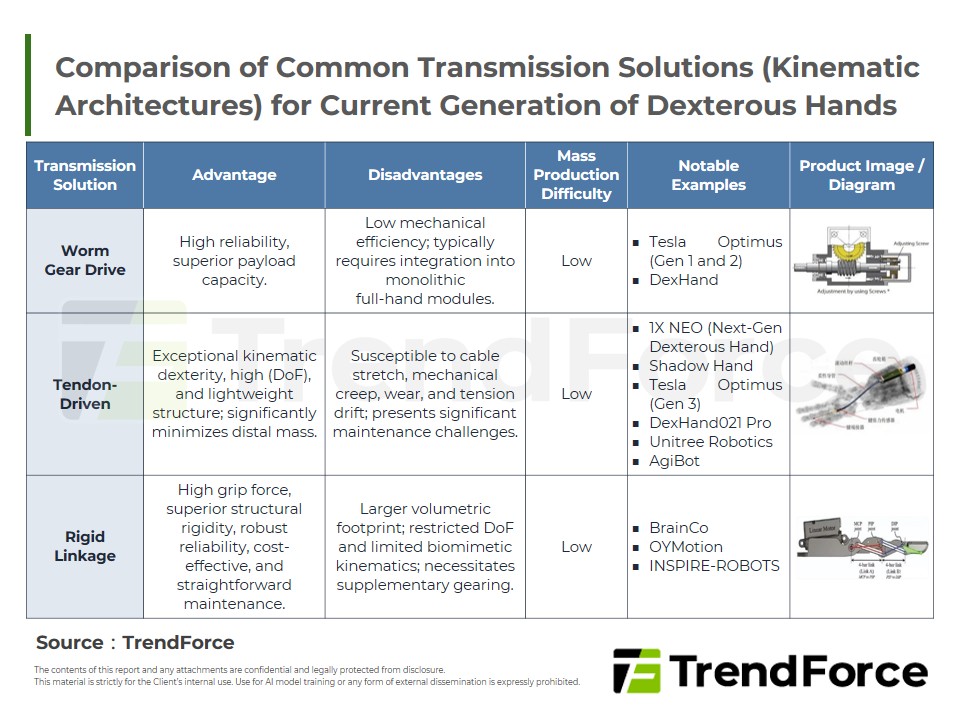
Dexterous hands are one of the most costly core modules in humanoid robots. As robot shipments grow, the market for dexterous hands expands in lockstep, and capital is rapidly flowing into specialized...

The FCC launches import review on foreign advanced robots, easing near-term Chinese competition, yet US reliance on Asian components will regionalize the supply chain, benefiting Taiwan, Japan, and Ko...
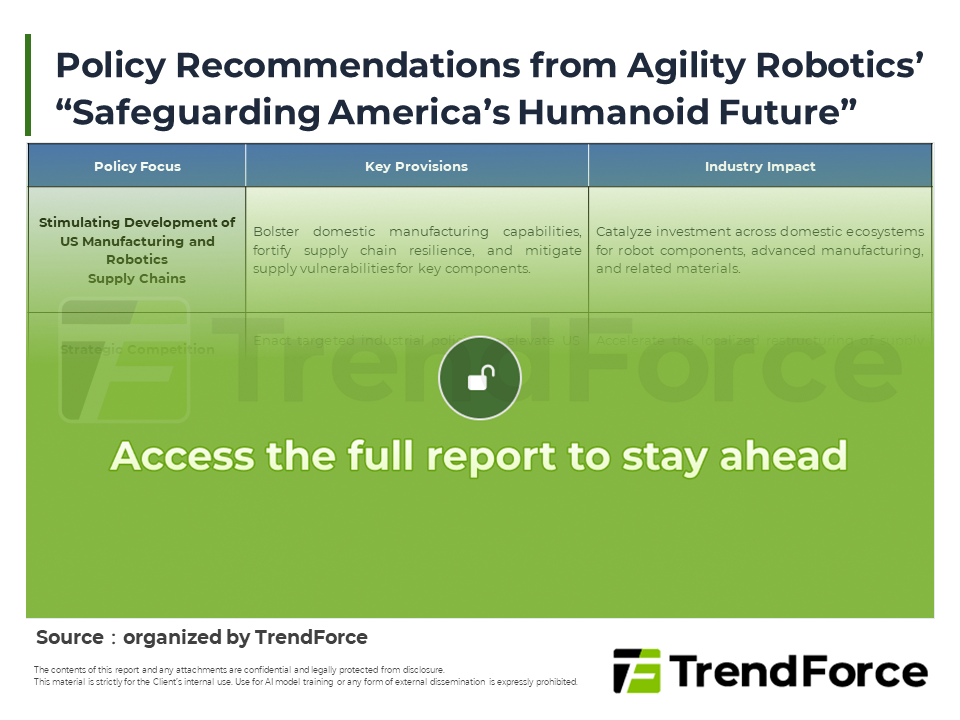
Agility Robotics unveils six policy proposals spanning manufacturing, supply chain, standards, talent, commercialization, and federal procurement, urging the US to counter China's humanoid lead.
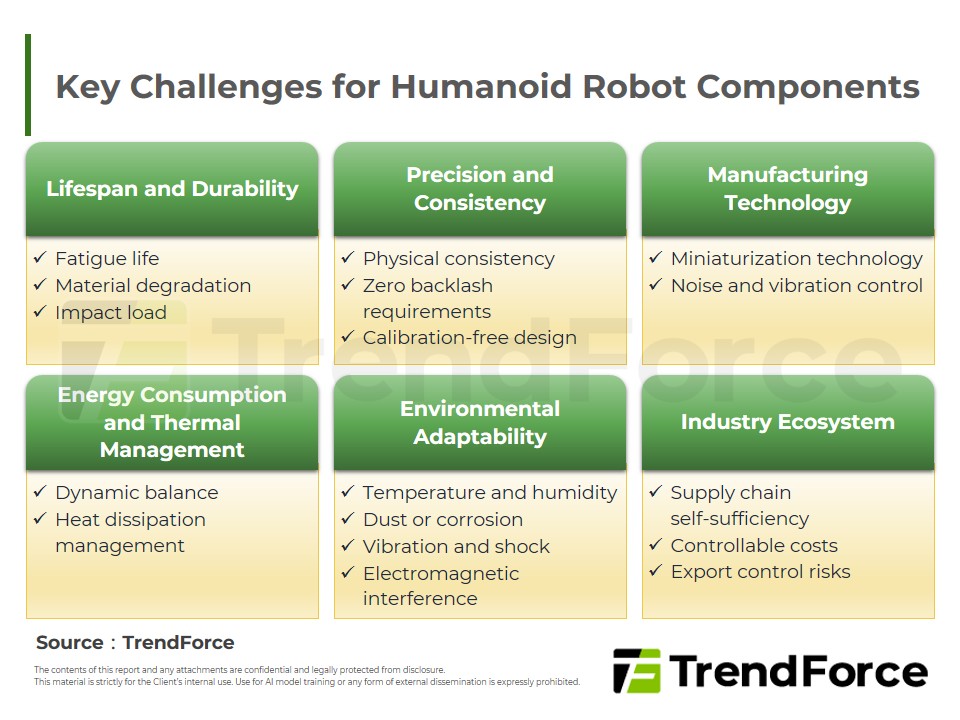
Driven by government policy, China’s humanoid robot industry is moving toward standardization and use-case segmentation, focusing on three major technological pillars: embodied AI, motion control, and...

Apptronik unveils Apollo 2 and Robot Park with Google DeepMind, forging a hardware-model-data trio that marks the humanoid industry's shift from hardware race to a data factory era.
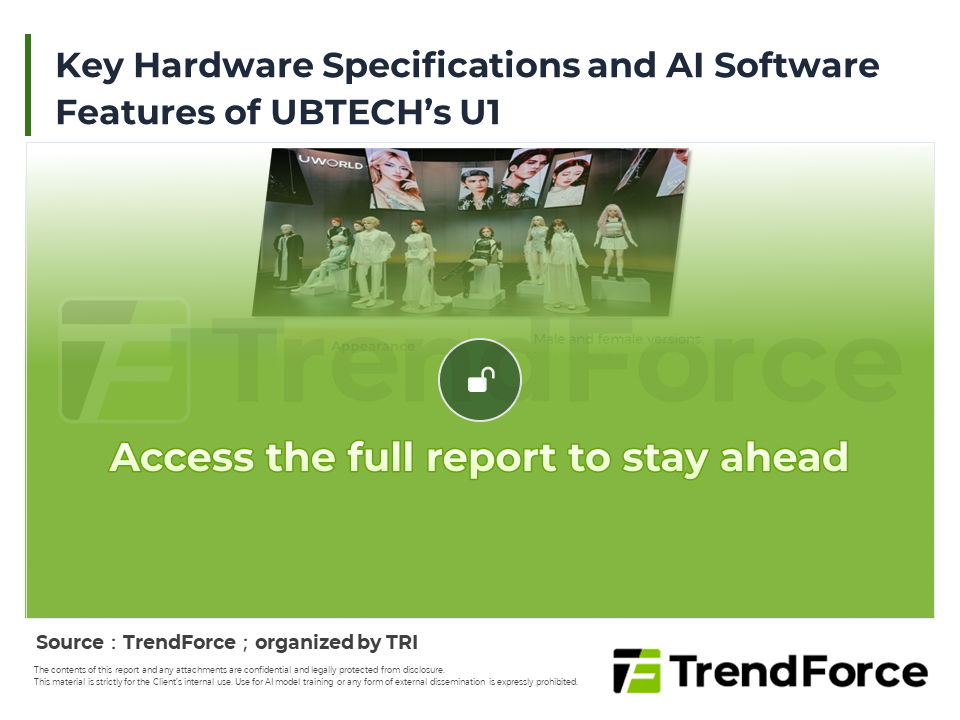
3Q26 humanoid competition shifts from specs to scene penetration and data loops, with diversified forms, China's 107% YoY shipment lead, and emerging chip and companion economies.
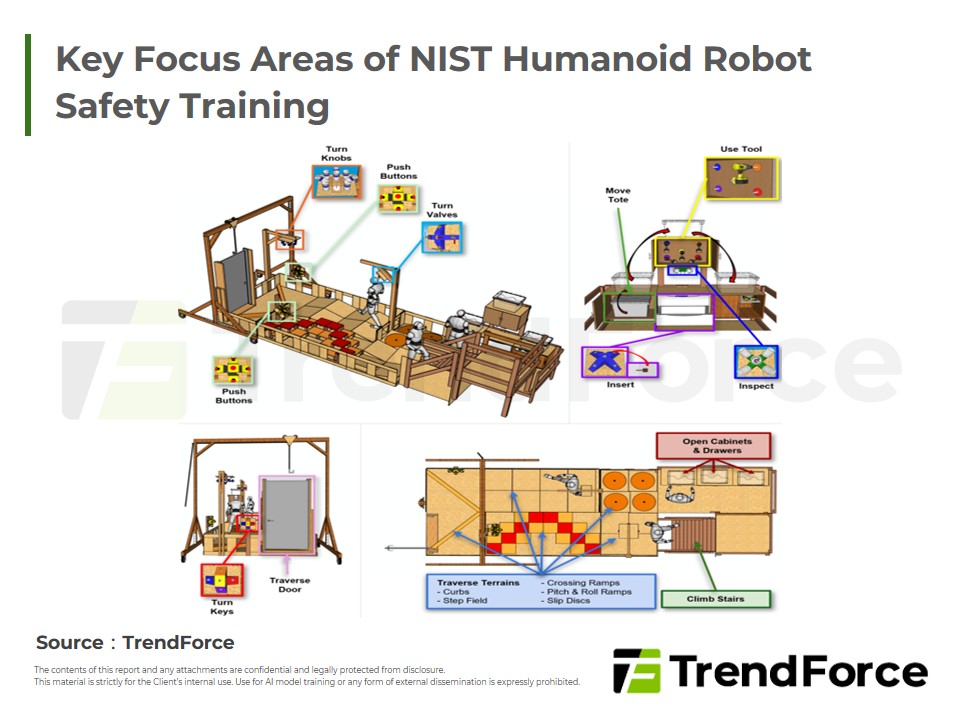
The global humanoid robotics industry is advancing rapidly across three key hubs—China, North America, and the broader Asian supply chain—and is approaching a pivotal inflection point around 2026 as t...