[News] Samsung-Qualcomm 2nm Deal May Slip to 2027; Foundry Resists Lower Pricing as Process Stabilizes
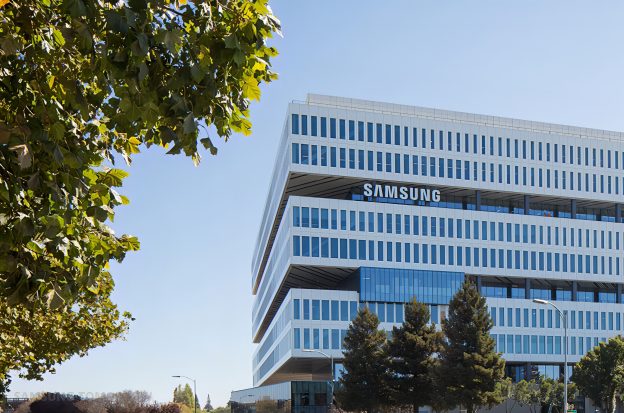
Samsung Electronics’ efforts to bring Qualcomm back as a major foundry customer may face another delay, but probably for an unexpected reason. According to The Bell, sources say Qualcomm AP production using Samsung Foundry’s 2nm could be pushed back to next year, with prolonged price negotiations making production before the end of 2026 increasingly uncertain.
The delay reportedly stems primarily from differences over pricing rather than technical issues. While Samsung’s process previously fell short of Qualcomm’s performance requirements, the 2nm process currently under discussion is considered to have largely stabilized, as the report indicates. Qualcomm is also reportedly viewing the process more favorably, as noted by The Bell. Notably, according to Maeil Business Newspaper, Samsung’s 2nm GAA yield has climbed to over 70%, up sharply from below 50% at the beginning of 2026.
Qualcomm is seeking lower prices, but Samsung has been reluctant to agree, the report notes. Samsung Foundry previously relied on lower-priced orders to expand its customer base, but after securing major customers such as Tesla and Broadcom, it is now in a stronger position to evaluate contract terms more selectively. The relatively small volume under discussion is also cited as a reason for Samsung’s reluctance to offer lower prices.
With negotiations dragging on, the talks could ultimately shift to Qualcomm’s next-generation AP. Since AP production must align with smartphone and other end-product launch schedules, the delay is making it increasingly difficult to meet the timeline for the product currently under discussion, the report adds.
Samsung Foundry Gains Pricing Power as 2nm Orders Build
Samsung’s firmer pricing stance also comes as its foundry business gains leverage. According to Reuters, Samsung reportedly raised prices in July for 4nm SF4 orders by 10% to 15% from the previous month for customers in China and the U.S., and by 5% to 10% for customers in Taiwan. Prices for 5nm SF5 wafers also rose 10% to 15%, while 8nm prices increased by nearly 10%. The report notes that strong AI chip demand and tight TSMC capacity have strengthened Samsung’s pricing power.
Samsung is also gaining momentum at 2nm. According to Munhwa Ilbo, citing industry sources, its first Taylor fab is reportedly already fully booked for 2nm production before operations begin, with orders linked to Tesla’s AI5 and AI6 chips, Broadcom’s next-generation communications chips, and Arm’s AI chips for smart devices.
According to TrendForce, Samsung Foundry ranked second globally by foundry revenue in 2Q26. Advanced-node orders, including HBM base dies, ramped up, but its market share fell to 5.9% as rivals grew faster, allowing third-ranked SMIC to narrow the gap.
Meanwhile, the company is also expected to expand the use of its in-house Exynos chips in the Galaxy S27 lineup. According to Money Today, the move follows improved and more stable Exynos performance, while the next-generation Exynos 2700 is set to use Samsung Foundry’s second-generation 2nm SF2P process.
Read more
- [News] OpenAI Says It Is Working with Samsung on Next-Gen Chips; Ties Could Expand Beyond Memory
- [News] The Race to 2028: Samsung, SK hynix Set High-NA EUV Timelines for DRAM as Micron Stays Tight-Lipped
(Photo credit: Samsung)