[News] China Memory Prices Show Early Signs of Easing; Second-Hand 16GB DDR4 Reportedly Falls Over 30% From Peak
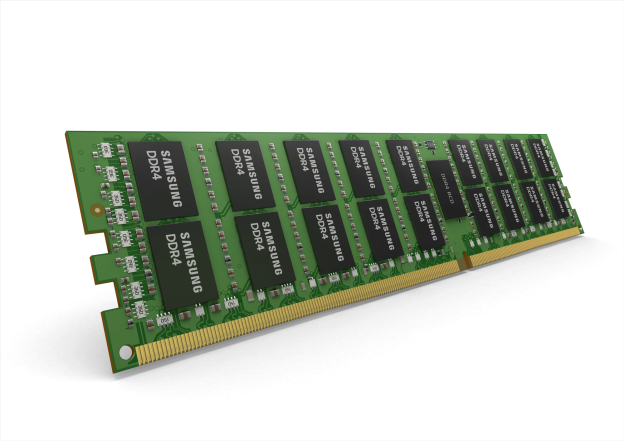
Memory module prices may be showing early signs of easing, as seen in Shenzhen’s Huaqiangbei market. According to MyDrivers, second-hand memory prices have eased in recent weeks, with used 16GB DDR4 modules in Huaqiangbei now selling for around RMB 450, down more than 30% from their peak of over RMB 700 at the beginning of 2026. Even so, the report says prices remain five to six times higher than a year ago.
Even with recent signs of easing, this summer remains the most expensive for PC building in recent years. As MyDrivers notes, prices for nearly every PC component except the chassis have risen sharply from a year ago, with memory up roughly fivefold. High prices have also dampened consumer demand.
Early Signs of Easing, But Prices Remain High
STAR Market Daily also notes that surging global AI demand has tightened memory chip supply, rapidly pushing higher upstream prices through the supply chain to end markets. In Huaqiangbei, the report says the memory-driven price surge has spread across smartphones, PCs, cameras, and AI glasses. Brands including Apple, Huawei, and Xiaomi have all raised prices to varying degrees, with PCs seeing the largest increases, leading more consumers to delay purchases.
While second-hand memory prices have begun to ease, STAR Market Daily notes that memory and storage prices in China remain well above year-ago levels, with both SSDs and DDR5 memory posting triple-digit gains over the past year. The retail price of mainstream 1TB SSDs has climbed from around RMB 410 last year to RMB 950–1,000, an increase of more than 130%.
The trend is also evident in DDR5 memory. According to STAR Market Daily, a 16GB DDR5 memory kit has risen from RMB 450 to RMB 1,800, while a 32GB kit has climbed from RMB 900 to RMB 3,800, with both posting gains of more than 300%.
Price Trends Diverge Across PC Hardware
Meanwhile, Shanghai Securities News notes that pricing trends across China’s PC hardware market have begun to diverge. Graphics card prices have generally remained stable. High-end GPUs, particularly the GeForce RTX 5070 Ti and above, have recorded more noticeable price gains, while lower-end models have also risen modestly by around RMB 100 in recent weeks. By comparison, CPU prices have declined. An MSI distributor cited by Shanghai Securities News attributed the drop to a structural pricing adjustment, explaining that soaring DDR5 memory prices had made CPUs that support only DDR5 difficult to sell, forcing vendors to cut prices.
Despite early signs of easing in parts of the spot market, the broader DRAM market remains tight. According to TrendForce, supply is expected to remain constrained in the third quarter of 2026. However, weaker demand from consumer applications and the impact of a higher comparison base are expected to moderate contract DRAM price increases to 13–18% QoQ.
Read more
- AI Server Demand Continues to Support Memory Prices in 3Q26, but Gains Moderate as Consumer Demand Weakens and High Base Effects Take Hold, Says TrendForce
- [News] DDR4 Kits Reportedly See Nearly 50% Discount in Promotional Sale in Japan, Hit Lowest Level Since Late 2025
(Photo credit: Samsung)