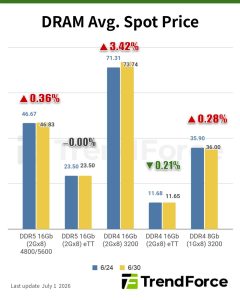
[News] Samsung, SK hynix and Micron Reportedly Rein In Orders to Curb Hoarding as Supply Tightness Persists
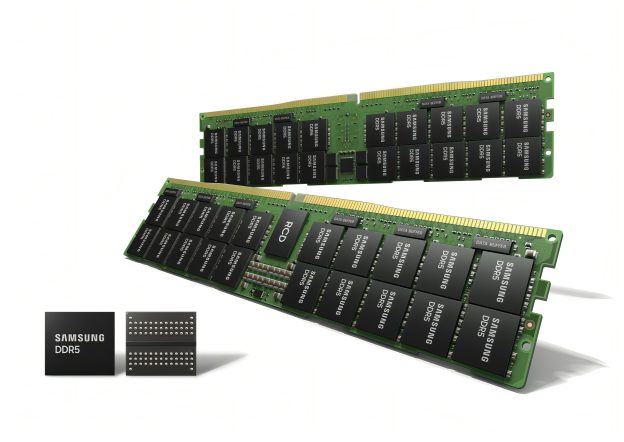
Memory tightness persists. According to Nikkei Asia, sources say the three major memory chipmakers—Micron, SK hynix, and Samsung Electronics—have stepped up scrutiny of customer orders to prevent intentional inventory hoarding. The report adds that the three companies have tightened requirements by asking customers to disclose end customers and order volumes to ensure demand is genuine and to prevent overbooking or excessive stockpiling that could further disrupt the market.
Amid the ongoing shortage, the report points out that entry-level and midrange consumer electronics—such as TVs, set-top boxes, home routers, budget tablets, smartphones, and PCs—are expected to be among the hardest hit, while the automotive sector could also face significant pressure due to its longer qualification cycles.
The ripple effects of higher memory prices are starting to show across consumer electronics. According to TrendForce, DRAM made up just 2.5–3% of a TV’s BOM cost before the recent price rise. Since then, this share has rapidly increased to 6–7%, putting considerable pressure on brand profitability. Smaller brands with less scale and resources are likely to bear a heavier burden.
Meanwhile, against this backdrop of rising costs and tighter supply, PC makers may also scale back shipments. TrendForce has lowered its 2026 notebook shipment outlook, revising its forecast from a 5.4% year-on-year decline to a steeper 9.4% drop.
Manufacturers Adapt Designs to Navigate Memory Constraints
In response, Nikkei notes that some manufacturers are buying up older inventory held in company warehouses. They have found that salvaging memory chips from these devices and remounting them onto other PCBs can help reuse components and secure additional supply, although this approach is limited to secondary markets that can tolerate potential quality issues. The report adds that some PC makers are also designing entry-level models with extra memory slots, allowing users to upgrade capacity later if needed.
Memory Makers Highlight Tight Supply and Falling Inventories
Memory giants have also recently addressed the ongoing tightness. According to Aju News, SK hynix said its DRAM inventory fell sharply year on year in the fourth quarter last year and is expected to shrink further in the second half of this year, suggesting customer supply conditions are likely to remain tight for some time. On the NAND flash side, SK hynix noted that inventories—led by SSDs—have been declining since the latter half of last year and now stand at levels comparable to DRAM.
Meanwhile, Hankyung reports that Samsung’s DRAM inventory has fallen to about six weeks of supply, roughly half the typical 10–12 weeks. With the largest production capacity among the memory “big three,” Samsung is positioned to benefit from a supplier-driven market.
Read more
- Surging Memory, Panel, and Precious Metal Prices Weigh on TV Brand Profitability; 2026 Global Shipments Face Further Downward Revision, Says TrendForce
- Dual Pressure from Rising CPU and Memory Prices to Drive Global Notebook Shipments Down 14.8% QoQ in 1Q26, Says TrendForce
(Photo credit: Samsung)
Please note that this article cites information from Nikkei Asia, Aju News, and Hankyung.