[News] SK hynix May Secure NVIDIA HBM4 Deal by Sep., Samsung Reportedly Trails in Testing
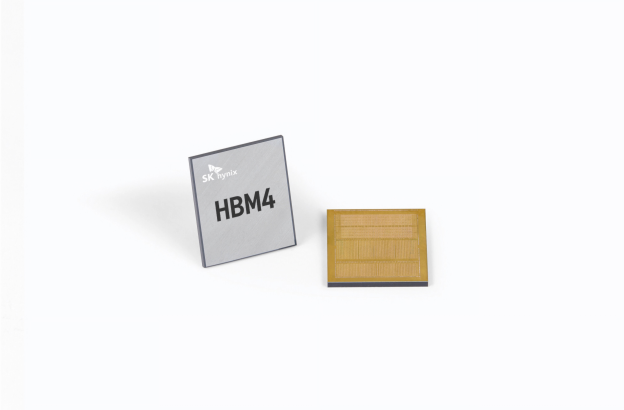
The HBM4 race is intensifying. According to Chosun Biz, SK hynix and Micron are reportedly set to enter the final stage of HBM4 testing with NVIDIA this month. SK hynix, ahead in quality verification, is expected to finalize pricing and delivery terms and may secure a supply agreement with NVIDIA as early as this month for next year’s HBM4 volumes.
Sources say SK hynix and Micron plan to submit final 12-high HBM4 samples to NVIDIA this month, according to the report. The report adds that given the HBM4 supply schedule, SK hynix and NVIDIA are likely to finalize a contract for first-half 2026 volumes by September, with SK hynix positioned to secure a strong initial market share.
Samsung Scrambles to Catch Up in HBM4 Testing
Meanwhile, the report notes that Samsung Electronics is reportedly about two months behind its competitors in testing and is working intensively to accelerate its timeline. As the report notes, the delay could put the company at a disadvantage. Entering supply negotiations later than its rivals would not only constrain shipment volumes but also weaken its pricing leverage. To counter this, the company is said to be working intensively to speed up testing.
Although behind schedule, Samsung is reportedly using a 4nm foundry process for the logic die in an effort to improve performance and power efficiency. In contrast, SK hynix is said to be relying on TSMC’s 12nm process for its logic die.
Diverging Strategies: Micron vs. Korean Rivals on HBM4 Base Dies
Beyond the Korean giants, Micron announced on June 10 that it had shipped 36GB 12-Hi HBM4 samples to key customers, reportedly becoming the second of the three major memory makers to reach the HBM4 sample stage.
However, it may be the only one in the HBM4 race delaying the shift of base die production to foundry processes. Starting with HBM4, Samsung and SK hynix are reportedly moving base die production to foundry processes to address heat, signal delay, and power efficiency challenges in high-performance computing. Micron, by contrast, may continue producing base dies with DRAM processes through HBM4 and shift to TSMC foundries only with HBM4e, according to Digital Daily.
Read more
- [News] Samsung Reportedly Passes NVIDIA HBM4 Sample Test, 30% HBM3E Discount to Challenge SK hynix
- 2Q25 DRAM Revenue Jumps 17.1%, SK hynix Expands Market Share as Taiwanese Vendors Deliver Strong Growth, Says TrendForce
(Photo credit: SK hynix)
Please note that this article cites information from Chosun Biz, Micron, and Digital Daily.