[News] China Rare-Earth Curbs Send Japan Dysprosium Imports Down 82% in 1H26; Chip Supply Chain Feels Squeeze
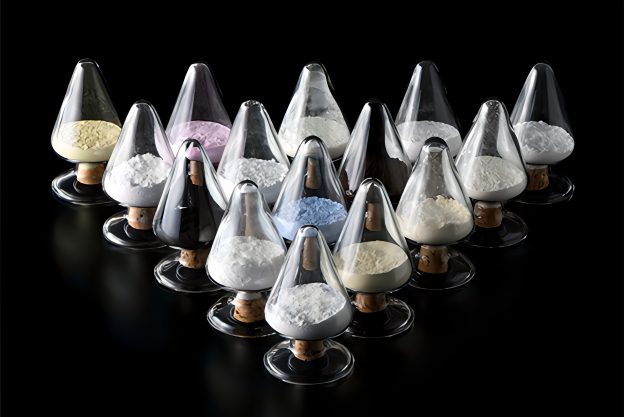
China’s tightening trade restrictions are putting Japan’s rare-earth supplies for EVs and semiconductor manufacturing equipment under increasing strain. According to Nikkei, imports of two particularly scarce rare-earth products in 1H26 fell to roughly 20% of 1H24 levels. Dysprosium-iron alloy is essential for magnets used in EV and hybrid motors, while yttrium oxide is used in coatings for chipmaking equipment components.
Japan imported just 13 tons of dysprosium in 1H26, down 82% from the same period in 2024, with imports falling to zero in January, February, May, and June. Separately, Nikkei notes that European dysprosium prices have risen sevenfold from levels seen before China imposed export controls in April 2025.
Yttrium imports also dropped 74% to 204 tons, the Nikkei report notes. In response, Japan is accelerating efforts to diversify supplies and expand recycling networks. In 1H26, the country sourced yttrium from 12 countries and regions outside China, though alternative sources have yet to provide sufficient volumes overall.
The supply squeeze in Japan also reflects a broader shift in China’s rare-earth trade flows. According to Yonhap News, citing China Daily, China’s exports of rare earths and related products to Japan fell 43.8% YoY as of June, while shipments to the Netherlands surged 121.4%. Yonhap News notes speculation that China may be maintaining supplies to the Netherlands, where semiconductor equipment trade remains an important area of cooperation.
China’s Rare-Earth Curbs Pressure Japanese Manufacturers
China’s rare-earth restrictions are already affecting Japanese materials suppliers. According to the report, Mitsui Kinzoku had planned to manufacture rare-earth materials for chipmaking equipment in Fukuoka using yttrium feedstock from China. However, insufficient yttrium supplies have left the company with little capacity for exports. The company, which opened a new rare-earth sales office in Liaoning in April, may consider closing it if conditions persist or worsen.
Rare-earth magnet maker Proterial is facing similar disruptions, with supplies of dysprosium and other materials from China drying up. While it secured export licenses for some shipments through November 2025, no new licenses had been approved as of July, the report notes. With alternative sources limited, many Japanese companies are drawing down inventories to maintain customer deliveries.
The report also notes that AGC, which uses yttrium in coatings for chipmaking equipment components, has yet to see production disruptions but is exploring alternative materials from outside China.
Overall, the report points out that Japan’s chipmaking equipment sector has yet to face major production disruptions, with rare-earth shortages not yet becoming a significant bottleneck. However, dwindling inventories could increasingly threaten production if China’s export restrictions persist.
Rare-Earth Squeeze Spreads to AI Infrastructure
The impact is also extending beyond equipment makers to AI infrastructure. According to MoneyDJ, citing Financial Times, prices for erbium, a niche rare earth widely used in fiber-optic cables and other AI infrastructure, have surged by one-third over the past two months as traders and end users stockpile ahead of possible tighter Chinese export restrictions in November. As of August 6, erbium prices had jumped 50% from early June in Europe and more than 40% in China, amid concerns that Beijing could further restrict supplies when the one-year U.S.-China trade truce expires at year-end.
Read more
- [News] From Rare Earth-Free Magnets to New Supply Chains: The Push to Break China’s Grip Accelerates
- [News] China’s Rare Earth Compound Exports Fell 17% in Value; Alternative Supply Chains Gain Momentum
(Photo credit: Mitsui Kinzoku)