[News] Apple Cuts China iPhone 17 Pro Prices by ¥1,000; Huawei, Xiaomi Follow — What’s Behind the Discounts?
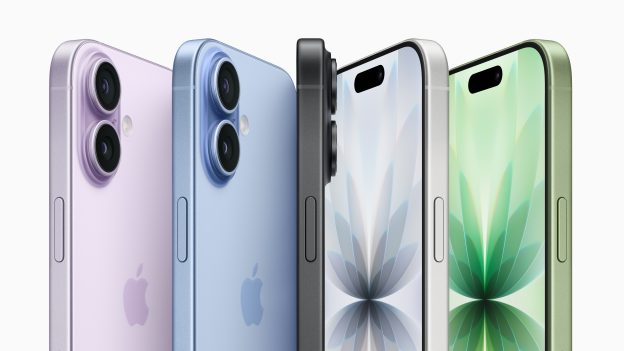
Apple has cut prices for the iPhone 17 lineup in China. According to ifeng.com, prices across the iPhone 17 Pro series were reduced by RMB 1,000 on May 15, marking the first official price cut since launch. On some e-commerce platforms, combined subsidies including trade-ins reached up to RMB 2,000, lowering the effective purchase price to RMB 6,999 and pushing the lineup into the RMB 6,000 range for the first time. The iPhone 17 also saw price cuts, with subsidies reducing the effective price to as low as RMB 4,499.
The report adds that other Chinese smartphone giants were also making moves: Huawei announced discounts on its foldable flagship models the same day, cutting the Mate X7 by RMB 1,000 to RMB 11,999 and the Mate X6 by up to RMB 3,000 to RMB 9,999. Xiaomi also lowered the price of the Xiaomi 15 Ultra by RMB 1,500, with combined subsidies expected to bring the effective price of the 256GB model to just above RMB 4,300.
Apple’s Supply Chain Advantage Reportedly Supports Aggressive Price Cuts
As the report notes, Apple’s latest iPhone 17 price cuts are seen as a strategy to capture market share while Chinese smartphone makers face rising cost pressures. The report adds that Apple’s ability to lower prices is supported by its supply chain dominance and long-term capacity agreements.
According to TrendForce, surging mobile DRAM contract prices in 2Q26 continue to place even greater cost pressure on smartphone brands. Overall, TrendForce estimates that the ASP of LPDDR4X solutions will jump by at least 70-75% QoQ for 2Q26, while the ASP of LPDDR5X solutions will see a QoQ surge of 78-83%.
Ifeng.com, citing industry experts, notes that as smartphone DRAM contract prices surged in Q1 2026, Chinese smartphone makers were forced to raise prices by RMB 200–600. Apple, however, is said to have secured 3–5 year low-cost memory supply agreements, giving it procurement costs estimated to be 30%–40% lower than Android vendors and enabling it to turn cost advantages into aggressive price cuts.
Notably, as ifeng.com states, Apple’s hardware gross margin was around 38.7% in the first quarter, while services gross margin exceeded 75%. The report suggests that offering RMB 1,000 discounts to attract new users could ultimately generate greater long-term returns through Apple’s ecosystem.
Supply Chain Strength Emerges as a New Battleground in Smartphones
Earlier in April, South Korean media outlet Global Economic News reported that Apple appeared to be securing newly released low-power mobile DRAM (LPDDR) at prices significantly above typical market rates. The move was interpreted as a strategy of “weaponizing the supply chain,” aimed not only at securing its own supply but also at limiting competitors’ access to components.
Against this backdrop of diverging supply chain advantages, Jiemian News notes that Apple and Huawei may strengthen their positions in the premium smartphone market through short-term price cuts backed by brand strength and supply chain advantages. By contrast, Chinese smartphone makers including Xiaomi, OPPO, and vivo face mounting cost pressures, making further price increases appear increasingly inevitable.
Read more
- Mobile DRAM Contract Prices Continue Rising in 2Q26, Pressuring Smartphone Production, Says TrendForce
- [News] Apple Reportedly Eyes Chinese Memory as Leverage Against Samsung, SK hynix Amid Rising Costs
(Photo credit: Apple)