[News] Intel Reportedly Sells Chips Typically Scrapped as CPU Demand Surges; 1Q26 Server CPU ASPs Up 27%
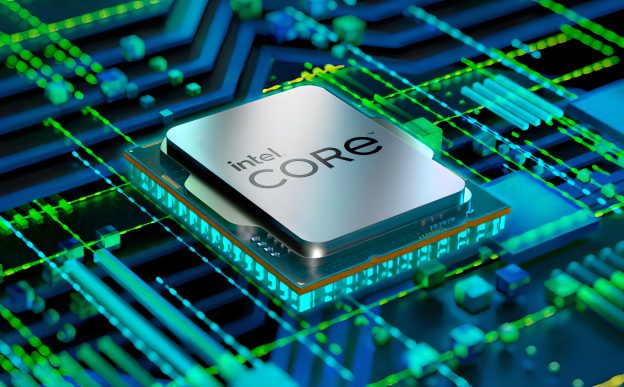
Intel is reportedly selling chips that would typically be scrapped, as strong CPU demand is prompting customers to accept such parts. According to Tom’s Hardware, sources say the company is now selling CPUs that may previously have been considered scrap or low-grade output, generating additional revenue.
When chipmakers process wafers, dies from the wafer’s edges typically have more defects and lower performance than those from the center. If a chip does not meet high-end specifications but remains functional, it can be downgraded to a lower-tier SKU and sold at a reduced price instead of being scrapped, the report adds.
As the report indicates, Intel says CPU demand is strong enough that customers are buying virtually all available output, including chips that would normally be scrapped or fall into low-yield edge bins. Instead of discarding them, the company is binning these parts down, reclassifying them as lower-specification SKUs and selling them.
Rising CPU ASPs Drive Revenue Growth
Building on this trend, Intel is also raising CPU average selling prices. As CRN notes, in its quarterly 10-Q filing with the U.S. Securities and Exchange Commission for Q1 2026, the company cited higher ASPs for both client and server CPUs as the main driver of revenue growth, despite shipping fewer processors than in the same period last year.
In its data center business, about 16% of revenue growth came from server CPUs, according to CRN, citing the company’s 10-Q filing for Q1 2026. This was largely driven by a 27% increase in ASPs. The report adds that ASP gains were supported by a higher mix of premium products and demand-based pricing adjustments.
At the same time, CRN highlights that Intel shipped 5% fewer server CPUs in the first quarter compared with the same period last year.
Rising CPU Demand Reshapes AI Compute Mix
Rising CPU demand was a key highlight of Intel’s earnings call last week. According to Reuters and an earnings call transcript cited by Investing.com, CEO Lip-Bu Tan said the CPU-to-GPU mix, once around 1:8 and now narrowed to about 1:4, could eventually move toward parity at 1:1, or even shift further in favor of CPUs, as they are better suited for AI agent workloads.
This shift is consistent with the broader demand trends. According to TrendForce’s Substack, GPUs have long dominated AI workloads requiring large-scale parallel computation, with CPUs playing a supporting role in memory management. As agentic AI matures, CPUs are regaining strategic importance, handling orchestration, tool-calling, and evaluation tasks that define such workflows. TrendForce expects CPU-to-GPU ratios to shift from around 1:4–1:8 toward 1:1–1:2 in agentic AI deployments.
Read more
- [News] Intel Says AI Inference Pushes CPU Ratio From 1:8 Toward 1:1; 18A Yield Target Advanced to Mid-Year
- [News] Server CPU Prices Up as Much as 20% Since March; Intel May Raise Prices Another 8%–10% in 2H26
(Photo credit: Intel)