[News] Sony Reportedly Maintains 2027–2028 PS6 Launch Despite Memory Costs as TSMC 3nm Booked
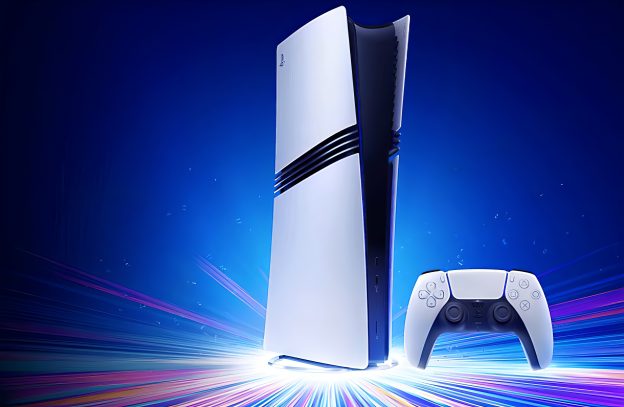
Sony’s PlayStation 6 (PS6) had previously been rumored to face delays amid tightening memory supply driven by AI demand. The supply crunch fueled speculation that the PS6 launch could be pushed back to 2029. However, according to Unwire HK, citing Moore’s Law Is Dead, Sony has conducted a comprehensive evaluation and decided to maintain its plan to release the PS6 between 2027 and 2028. The report notes that the losses resulting from a major delay would far outweigh the cost of absorbing higher memory prices.
Sony has limited room to delay. SE7EN.ws, citing Moore’s Law Is Dead, notes that Sony has already invested tens of millions of dollars in developing its custom APU, codenamed Orion, for the new console. TweakTown adds that the chip is expected to feature a 9- or 10-core Zen 6 CPU, paired with 52 to 54 RDNA 5 compute units, along with up to 40GB of unified GDDR7 system memory.
TSMC Commitments Limit PS6 Delay Options
Notably, Sony has reportedly secured and prepaid for 3nm production capacity at TSMC, with chip manufacturing scheduled to begin in the second quarter of 2027. Canceling or altering these agreements would result in significant contractual penalties. SE7EN.ws notes that such a move could also cause Sony to lose its priority status, potentially leaving the company at the back of TSMC’s client queue for years to come.
This further underscores that Sony cannot afford to delay the launch. Unwire HK adds that once the chip enters mass manufacturing, downstream processes—including inventory management, console assembly, and supply chain coordination—must be launched in tandem. Sony would therefore be unable to complete chip production first and then leave the consoles unassembled for one or two years.
More broadly, rising memory costs are weighing on the game console market as a whole. According to TrendForce, higher memory prices have significantly increased bill-of-materials (BOM) costs for consumer electronics, prompting brands to raise retail prices and dampening market demand. As a result, TrendForce has downgraded its 2026 forecast for game console shipments, revising its projection from an earlier 3.5% year-over-year decline to a steeper 4.4% drop.
Read more
- Memory Price Surge Squeezes Game Console Margins; 2026 Shipment Forecast Revised Downward, Says TrendForce
- [News] Sony, Microsoft Reportedly Weigh Delaying Next-Gen Game Consoles Beyond 2028 Amid Memory Price Surge
(Photo credit: Sony PlayStation)
Please note that this article cites information from Unwire HK, Moore’s Law Is Dead, SE7EN.ws, and TweakTown.