[News] NVIDIA May Relax HBM4 Specs as Samsung and SK hynix Reportedly Face Capacity, Yield Limits
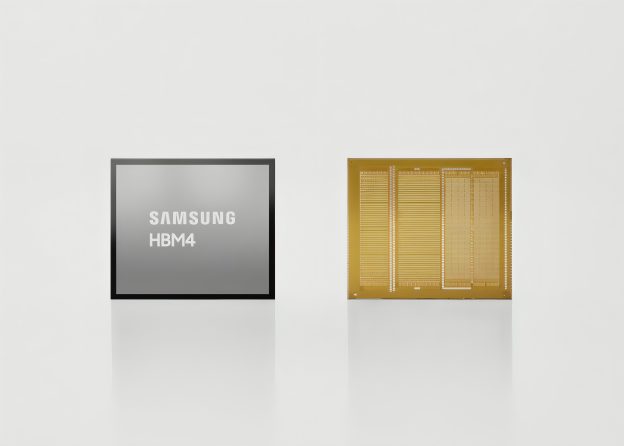
Competition among memory suppliers in the HBM4 segment is heating up. According to ZDNet, Samsung Electronics edged ahead of SK hynix and Micron on the 12th by announcing its HBM4 mass-production shipments. Even so, the overall HBM4 supply dynamics this year are likely to hinge primarily on NVIDIA’s procurement strategy.
As the report notes, performance remains critical, but bringing next-generation AI accelerators to market on schedule also depends on yield performance and reliable supply—not just top-line specifications. As a result, industry watchers are closely monitoring whether NVIDIA might relax its HBM4 performance thresholds or source slightly lower-tier variants in parallel with its highest-spec offerings.
Samsung’s Qualification Edge, but Supply Constraints Remain
The report states that industry expectations are increasingly tilted toward Samsung being the frontrunner to complete qualification testing for NVIDIA-bound HBM4. However, the report emphasizes that market attention is now more focused on NVIDIA’s overarching procurement strategy than on the exact pace of HBM4 shipments. Should NVIDIA hold firmly to the 11.7Gbps specification, the availability of sufficient HBM4 volumes for Rubin’s mass production could become constrained.
Samsung has limited headroom to sharply accelerate HBM4 supply. As of this month, yields for its 1c DRAM are estimated at around 60%, with effective yields declining further once advanced back-end processing is included, as the report points out. Moreover, 1c DRAM production capacity stood at roughly 60,000 to 70,000 wafers per month at the end of last year—insufficient to fully meet NVIDIA’s overall HBM4 demand. Although Samsung is moving ahead with fresh investments and line conversions for 1c DRAM, these efforts will require time before translating into meaningful increases in output.
NVIDIA May Weigh Performance Against Supply Stability
Regarding SK hynix, ZDNet states that although the company has reportedly secured the largest portion of NVIDIA’s HBM4 allocation—about 60%—early reliability evaluations revealed difficulties in achieving 11Gbps-class performance. The report adds that SK hynix has been working on hardware refinements to address these shortcomings, though a definitive resolution has yet to be confirmed.
In this context, industry sources cited by the report indicate that NVIDIA may opt to procure not only 11.7Gbps HBM4 but also lower-tier alternatives such as 10.6Gbps versions. Such a strategy would reduce technical strain and make overall HBM4 supply more feasible for all three memory vendors. The report further notes that, amid a memory shortage even more severe than last year’s, NVIDIA is broadly expected to moderate its HBM4 performance criteria in order to ensure supply stability.
Read more
- [News] Samsung Delivers First-Ever Commercial HBM4, Boosting Speeds from 11.7 Gbps to 13 Gbps
- [News] Micron Dismisses Sidelined Rumors, Confirms HBM4 Shipping a Quarter Early, Speeds Over 11 Gbps
(Photo credit: Samsung)
Please note that this article cites information from ZDNet.