[News] DDR4 Reportedly Leads Legacy Memory Rally with Q1 Prices Up to 50%; DDR3 in Tight Supply
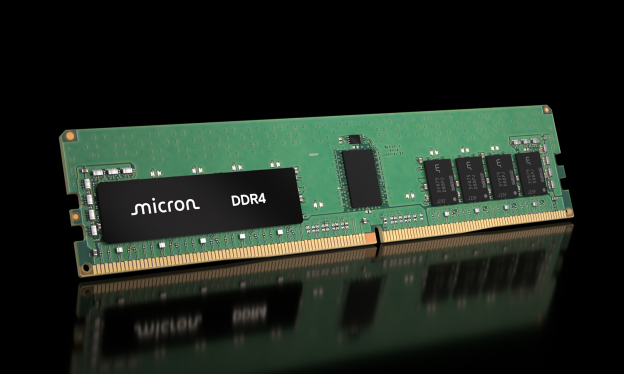
As memory makers increasingly tilt toward server applications, lifting prices for server DRAM and enterprise SSDs, legacy memory is staging a strong comeback of its own. Commercial Times reports that DDR4, DDR3, NOR flash, and SLC/MLC NAND are entering a fresh supply-demand reversal.
Among the mature products, the report adds that heading into 2026, enterprise buyers have become more aggressive in sourcing DDR4, triggering a sharp first-quarter price jump of up to 50%, with momentum expected to carry into the second quarter.
DDR4 & DDR3 Rally
Several major memory makers are preparing to exit DDR4 in 2026, with Samsung reportedly standing firm on its end-of-life schedule. Thus, fresh DDR4 and DDR3 supply is tightening, with demand staying solid across systems, industrial and networking equipment, and parts of data center infrastructure, Commercial Times reports.
The report adds that as enterprise customers step up DDR4 procurement in 2026, capacity reallocation has further tightened DDR3 supply. High-density DDR3 products, such as 2Gb, are already facing acute shortages, with a catch-up price rally beginning to take shape, Commercial Times notes.
The report aligns with TrendForce, which forecasts conventional DRAM contract prices to jump 55–60% quarter-on-quarter in 1Q26. TrendForce notes that suppliers will continue redirecting advanced nodes and new capacity to server and HBM products to meet rising AI server demand, tightening supply in other markets and driving conventional DRAM prices higher.
Taiwan’s Nanya Technology could emerge as a major beneficiary of this uptrend. Commercial Times notes that the company, set to announce its fourth-quarter earnings this afternoon, could see revenue surpass NT$300 billion in 2026 as DDR4 prices surge, with gross margins potentially reaching 70%.
NOR Flash, NAND on the Uptrend
The NOR Flash market is also heating up, with analysts cited by Commercial Times projecting first-quarter price gains of 20–30%, skewed toward the high end. Supply is tightening as several overseas tier-one vendors cut capacity or adjust strategies, creating fresh opportunities for Taiwanese suppliers in industrial, automotive, and AI server applications.
NAND is following a similar trajectory. Market chatter cited by the report suggests some suppliers, including SanDisk, plan sharp enterprise contract price hikes starting in March, with single-quarter increases potentially doubling. While official consumer pricing is still pending, vendor sentiment is aligned, pointing to mounting catch-up price pressure ahead, the report notes.
Notably, Commercial Times highlights that several major memory makers have temporarily halted price quotes, with the market anticipating a new round of negotiations to wrap up between late January and February. Overall price gains could ultimately surpass earlier expectations, it adds.
Meanwhile, TrendForce notes that disciplined capacity management by NAND Flash suppliers, along with robust server demand that is displacing other applications, is likely to increase contract prices across all NAND Flash product categories by 33–38%.
Read more
- [Insights] Memory Spot Price Update: DRAM Surges as Sellers Hold Back Inventory, Mainstream DDR4 Up 10%
- Memory Makers Prioritize Server Applications, Driving Across-the-Board Price Increases in 1Q26, Says TrendForce
(Photo credit: Micron)
Please note that this article cites information from Commercial Times.