[News] Micron Reportedly Sees Memory Crunch Through 2028; OEMs Keep Consumer Reach Despite Crucial Exit
As Micron prepares to break ground on its New York Mega fab on January 16, the company’s outlook on the global memory market remains under close watch. Wccftech, citing Micron’s VP of Marketing for the Mobile and Client Business Unit, Christopher Moore, emphasized that the ongoing memory shortage is unlikely to ease before 2028, given the complexity of fab expansions and certification processes.
New Fabs Slow to Relieve Tight Supply
Micron’s cautious outlook aligns with its long-term expansion roadmap. According to syracuse.com, the company’s first New York factory is slated for 2030, the second for 2033, and a fourth by 2045. Meanwhile, DRAM production for its first Idaho fab is expected in 2027, and the second Idaho facility projected to come online before the first New York plant.
According to Wccftech, Moore notes that building new fabs, completing customer certifications, and meeting the stringent technology and yield standards required by AI clients adds significant time and complexity. As a result, meaningful production from Micron Idaho facility is expected only after all approvals are completed, effectively pushing substantial output gains into 2028, the report adds.
Meanwhile, Moore also warned that new fab buildouts alone will not quickly alleviate current memory shortages. The company points to a key bottleneck: the need to accommodate a wide variety of module densities. The Wccftech report suggests that, for instance, if a customer like Apple orders 8 GB, 12 GB, and 16 GB modules simultaneously, production must switch between configurations, slowing overall output.
AI Boom Shifts Focus from Consumer Market
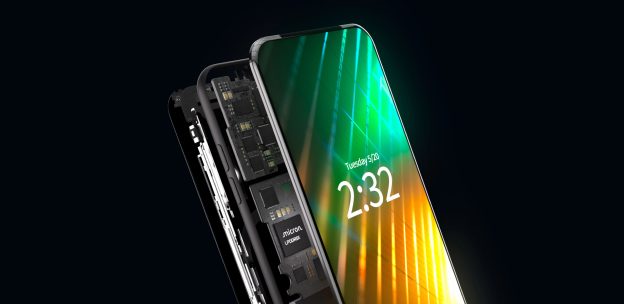
On the other hand, despite planning to retire its Crucial consumer SSD and RAM line in February, Micron continues to command a strong presence in the consumer market. Citing Moore, Wccftech notes that the company maintains significant market share through OEM partnerships, supplying memory modules—such as LPDDR5—to PC makers like Dell and ASUS for integration into their own products.
However, while Micron maintains close ties with all major PC brands, the company cannot overlook the surging demand from the AI sector. Citing Moore, Wccftech notes that data center and enterprise markets are booming, with their share of the overall memory business climbing from 30–35% to nearly 50–60% today—making the sector too critical for Micron to ignore. Tom’s Hardware added that retiring Crucial reflects a strategic shift toward enterprise-grade DRAM and SSDs to meet growing AI demand.
Notably, as Chinese memory makers accelerate their push into cutting-edge products like DDR5 and HBM, Micron tells Wccftech that competition from any region ultimately strengthens the company, helping it better serve customers and maintain a robust market presence.
Read more
- [News] NVIDIA Fuels HBM4 Race: 12-Layer Ramps, 16-Layer Push by SK hynix, Samsung, and Micron
- [News] Micron Reveals Three Culprits Behind Memory Crunch—and Why It Won’t Ease Soon
(Photo credit: Micron)
Please note that this article cites information from Wccftech, syracuse.com and Tom’s Hardware.