[News] TSMC Reportedly Plans Up to 10% Price Hikes in 2027, with Extra HPC Premiums: Apple, NVIDIA in Focus
While TSMC said at last week’s earnings call that it would avoid drastic price hikes like the 4–5x increases seen among memory players, Nikkei reports that the foundry giant plans to delay price increases until 2027, giving customers more time to prepare after negotiations. Prices for both advanced and mature nodes, according to Nikkei, could rise by up to 10% next year.
The scale of adjustments is expected to vary by category, with base hikes reportedly ranging from 5% to 10% Notably, for high-performance computing (HPC) orders that exceed customers’ original volume commitments, TSMC plans to impose an additional 10% to 15% surcharge on top of the base adjustment, Nikkei adds.
These chips have emerged as a key contributor to TSMC’s business. In 2Q26, the HPC segment accounted for 66% of total sales, with revenue rising 20% quarter-over-quarter, the strongest gain across all segments.
For mature-nodes—including 12nm, 16nm, 28nm and other legacy processes—the foundry giant is planning price hikes of up to 10%, although some products are expected to see smaller increases, sources told Nikkei. Mature nodes accounted for roughly 23% of TSMC’s revenue in 2Q26, while 7nm and more advanced technologies contributed about 77%.
Impact Across TSMC’s Customer Base
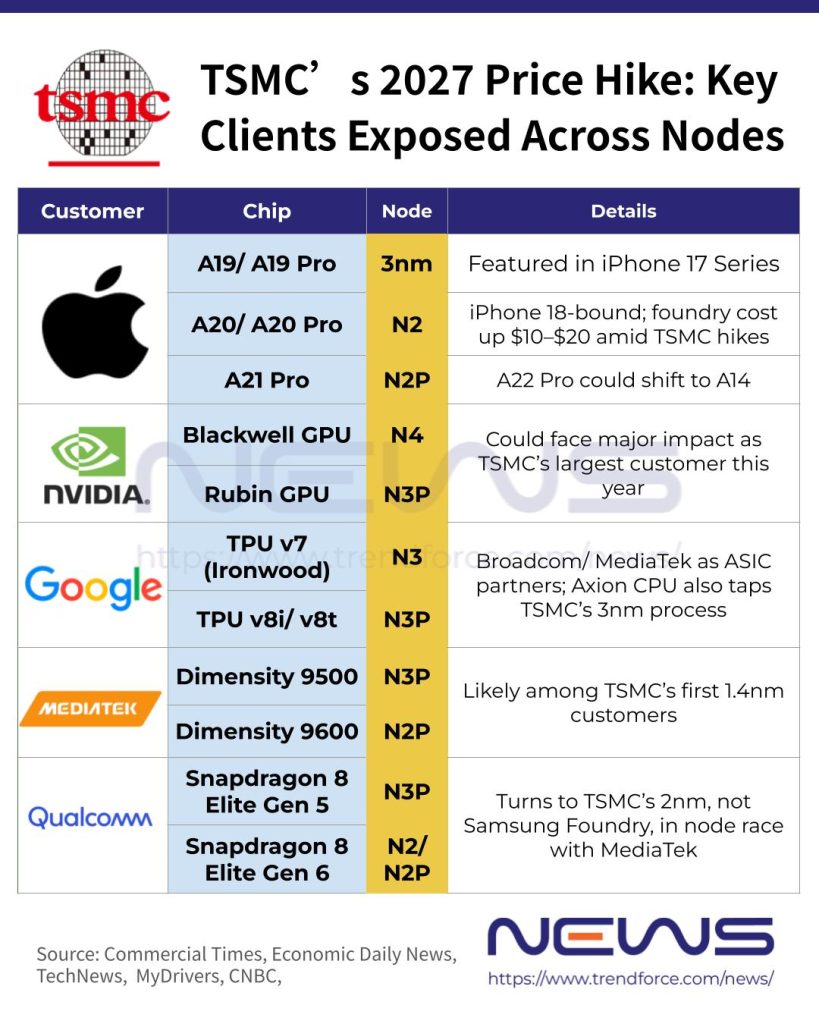
The move is expected to affect a broad range of TSMC customers, including major chip designers such as NVIDIA, Apple, Google, Amazon, Qualcomm, Arm and MediaTek, Nikkei suggests.
Among them, Apple could be one of the hardest hit, with the planned price hikes expected to coincide with the rumored debut of the iPhone 18 lineup and 20th anniversary models, potentially leading to higher prices for devices using TSMC’s chips in the following year, according to TweakTown.
MyDrivers further notes that Apple’s A20 Pro chip, positioned as a flagship high-performance processor, could fall under TSMC’s HPC category and face additional premiums on top of the base price increase. With the chip transitioning to the more expensive 2nm process, the combined impact of higher wafer costs and TSMC’s price adjustments could raise Apple’s foundry cost per processor by US$10 to US$20, the report adds.
NVIDIA could be among the customers most affected by TSMC’s price adjustments, as the AI chip giant is expected to overtake Apple as the foundry’s largest customer this year, according to a previous CNBC report.
CNBC, citing analyst estimates, noted that NVIDIA could account for around US$33 billion, or 22%, of TSMC’s revenue in 2026. Its Blackwell GPUs are built on TSMC’s 4nm process, while the next-generation Rubin GPUs are set to migrate to the 3nm node.
Can Intel Capitalize on TSMC’s Price Hikes?
However, TSMC’s price hikes may offer limited upside for Intel’s foundry ambitions. Barron’s, citing J.P. Morgan, reports that while Intel is positioning itself as an alternative foundry supplier, it is unlikely to gain significantly from higher TSMC pricing, as the Taiwanese foundry is expected to maintain its lead in advanced-node manufacturing with the ramp-up of A16 and next-generation A14 technologies.
J.P. Morgan expects TSMC to raise advanced-node prices by 8% to 10% in 2027 as the foundry seeks to protect margins amid costly overseas expansion, including its U.S. investments.
Read more
- [News] TSMC’s $265B U.S. Bet: “No Food Left on the Table” Despite 4-5x Higher Fab Construction Costs
- [News] Japan’s Rapidus Takes on TSMC With Aggressive 2nm Pricing, Reportedly Targeting up to ¥3.5M per Wafer
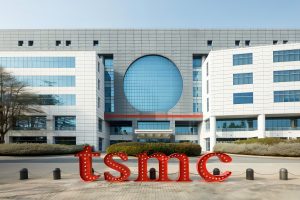
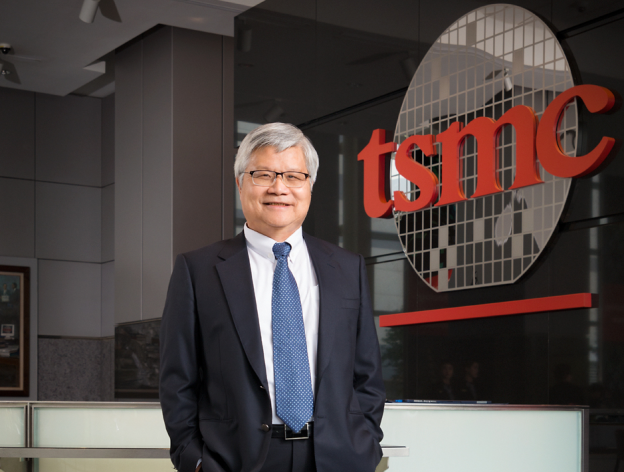
(Photo credit: TSMC)