[News] Samsung Reportedly Lifts HBM4 Logic Die Prices by 40–50% Amid AI Boom; 4nm at Full Capacity
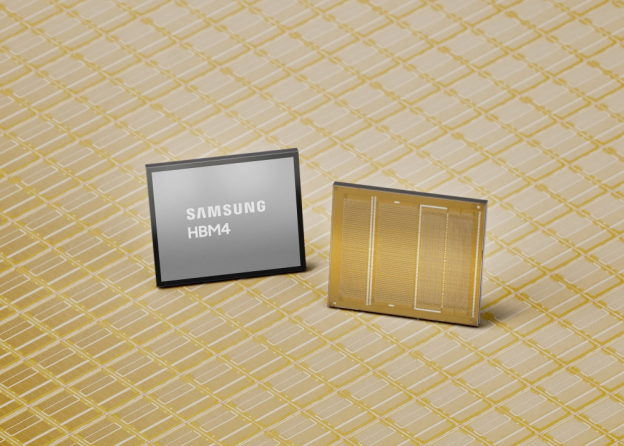
Memory is not the only segment where Samsung Electronics is pushing price increases amid surging AI demand. According to Financial News, the chip giant has reportedly raised prices for HBM4 logic dies by around 40–50% since early 2026, signaling a broader normalization of pricing across its semiconductor portfolio.
Financial News reports that the chip—manufactured using Samsung Electronics’s 4nm process—serves as the “brain” of HBM4. Against the backdrop of rapidly rising HBM4 shipments, demand for logic dies has surged in tandem, giving Samsung stronger pricing leverage and driving the reported price increases, the report adds.
The trend, according to Financial News, also reflects that key production lines such as 4nm are already running at full capacity, with Samsung foundry’s overall profitability showing a gradual improvement trend.
Foundry Turnaround Expected in 4Q26
DealSite further notes that improving yields and stabilized performance at Samsung’s 4nm node are beginning to materially reflect HBM4’s impact from this year. The company has adopted a 10nm-class 6th-generation (1c) DRAM core die alongside a 4nm FinFET foundry-based base die in its HBM4 architecture, the report suggests, adding that the base die has already started shipping and is expected to contribute to foundry revenue from the second half of 2026.
Meanwhile, HBM4E—built on the same base die process—is also targeting mass production within 2026, according to DealSite.
DealSite further suggests that in the context of expanding captive demand alongside rising Big Tech reference wins, Samsung’s foundry division is accelerating expectations for an earlier-than-expected turnaround in its non-memory business. According to industry sources cited by the report, the foundry unit could swing to profitability as early as Q4 this year, followed by a more pronounced improvement cycle starting next year.
As a result, the broader non-memory segment—which includes System LSI operations such as mobile application processors (APs) and sensor chips—could see operating losses narrow sharply from an estimated KRW 3–4 trillion in 2026 to around KRW 500 billion in 2027, the report notes.
Notably, TrendForce observed that Samsung is not the only foundry benefiting from high utilization for 4nm: TSMC’s 5/4 nm and below capacity is expected to remain fully utilized through the end of the year, while Samsung Foundry has also seen a notable increase in orders for its 5/4 nm-class modes.
TSMC has therefore raised foundry prices across all nodes at 5/4 nm and below for 2026, and with order visibility extending into 2027, further price increases in subsequent years cannot be ruled out. Samsung similarly informed customers in 4Q25 that it would raise prices for its 5/4 nm foundry services, TrendForce adds.
Read more
- [News] Samsung Reportedly Allocates 50%+ of Pyeongtaek Foundry Capacity to HBM4 Base Die; Said to Win OpenAI Deal
- News] Samsung, SK hynix Reportedly Tapped as NVIDIA Rubin HBM4 Suppliers; Shipments Could Start in March
(Photo credit: Samsung)