Popular Keywords



About TrendForce News
TrendForce News operates independently from our research team, curating key semiconductor and tech updates to support timely, informed decisions.
[News] TSMC Reportedly Weighs Shifting Kumamoto 2nd Plant from 6nm/7nm to 4nm Amid AI Demand
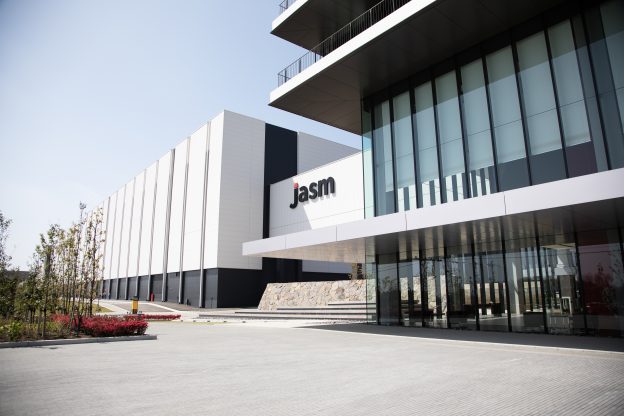
TSMC is reportedly reassessing its strategy in Japan amid surging AI demand. According to Nikkei, the company is considering shifting its second Japan fab toward producing more advanced chips than originally planned. As the report highlights, TSMC is weighing a move to 4nm production at the second plant—a change that could require design adjustments and potentially delay the project. The plant had initially been slated to produce 6nm and 7nm chips.
Construction on the second Kumamoto facility has already been put on hold, the report adds. Located in the same prefecture as TSMC’s first Japan fab, the plant is scheduled to begin operations in 2027.
TSMC Rethinks Japan Strategy Amid Shifting Demand
As the report explains, demand for 6nm and 7nm chips has weakened since TSMC announced the second Japan plant in 2024. Utilization at the company’s main Taichung fabs has fallen below desirable levels as major customers—including NVIDIA, Apple, Google, and Amazon—migrate to more advanced process technologies.
Meanwhile, alongside its potential shift to 4nm, sources cited in the report say TSMC is also considering introducing advanced packaging technology in Japan, given its importance for AI processors. None of these plans have been finalized, the report notes. It further adds that NVIDIA’s latest Blackwell chip is built on TSMC’s 4nm process and paired with HBM using the company’s CoWoS packaging.
In addition to the possible changes for its second Kumamoto fab, the report, citing sources, also notes that TSMC is continuing to delay equipment additions at its existing Kumamoto plant, which manufactures mature-node chips for industrial, consumer electronics, and automotive markets.
Read more
- [News] TSMC Reportedly Delays Kumamoto 2nd Fab Launch to 2029 Amid U.S. Expansion Push
- [News] TSMC Speeds Advanced Packaging: AP7 Targets 2026 Output; Arizona P6 Eyed for U.S. Packaging Hub
(Photo credit: TSMC)
Please note that this article cites information from Nikkei.