Popular Keywords



About TrendForce News
TrendForce News operates independently from our research team, curating key semiconductor and tech updates to support timely, informed decisions.
[News] Former TSMC SVP Wei-Jen Lo Said to Have Joined Intel, Allegedly Bringing Sub-2nm Process Files
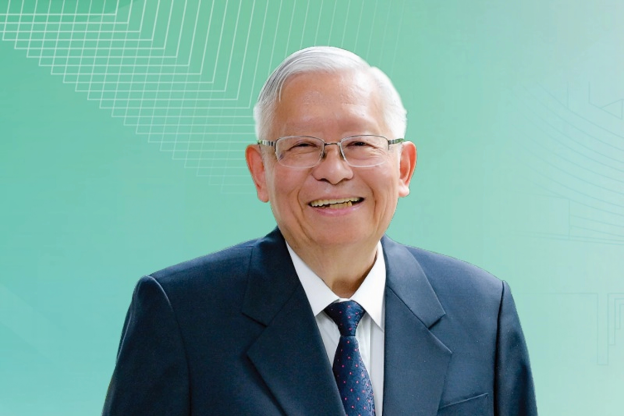
Amid rumors that former TSMC Senior VP Wei-Jen Lo might join Intel in the sub-2nm race, Liberty Times reports he returned to Team Blue in late October as VP of R&D, shocking the semiconductor industry. The report, citing industry sources, also claims that before retiring in July, Lo allegedly used his authority to have subordinates brief him and photocopy sensitive 2nm, A16, and A14 process documents.
Liberty Times further reports that TSMC is now investigating and weighing possible action, with growing speculation that Lo could face scrutiny under national security laws.
What’s jolting the industry is a more detailed allegation: Liberty Times reveals that before retiring in July, Lo reportedly leveraged his senior VP authority to have subordinates brief him and copy extensive confidential data covering TSMC’s 2nm, A16, A14, and other next-generation process technologies. At the time, such access appeared routine—few would question a senior VP requesting internal files.
If confirmed, this would mark TSMC’s second major 2nm leak in recent months.
According to the Economic Daily News, Taiwan’s High Prosecutors Office on August 27 indicted three TSMC engineers for stealing national core technology secrets, seeking 7–14 years in prison under national security and trade-secret statutes. The case is especially sensitive—not only because it involves TSMC’s cutting-edge 2nm tech, but also because one former employee involved has since joined Tokyo Electron, a key TSMC equipment supplier with ties to Rapidus, Japan’s state-backed 2nm challenger.
Mounting Concerns Over Lo’s Return to Intel
Now Lo’s case, if proved true, threatens to become an even bigger headache for TSMC. Intel has already pushed its 18A node into mass production this year and is targeting 14A risk production in 2027, while TSMC is gearing up to launch A16 mass production in the second half of 2026.
Lo, who spent 21 years at TSMC, built a strong track record during his tenure. Commercial Times reported that during Lo’s tenure, TSMC’s technology team amassed over 1,500 patents, including roughly 1,000 in the U.S. CommonWealth Magazine also noted that Lo enjoyed the deep trust of founder Morris Chang—so much so that he continued in his post until age 75, well past TSMC’s usual retirement age of 67.
According to Liberty Times, Lo’s new role at Intel reportedly puts him in charge of advanced equipment and module development from R&D through pre-production—a critical function tied to yield improvement. The report also cites industry observers questioning whether he had signed an 18-month non-compete agreement, which TSMC typically requires. Rumors suggest he may not have, the report notes.
Read more
- [News] Intel Reportedly Eyes Retired TSMC Veteran Wei-Jen Lo, Advanced Node Pioneer, to Lead R&D
- [News] TSMC’s Senior Executive Wei-Jen Lo Retires After 21 Years, Marking Leadership Transition
(Photo credit: ITRI)
Please note that this article cites information from Liberty Times, Economic Daily News, Commercial Times and CommonWealth Magazine.