Popular Keywords



About TrendForce News
TrendForce News operates independently from our research team, curating key semiconductor and tech updates to support timely, informed decisions.
[News] Micron Rumored to Hike DDR4 Prices by 50% as Samsung Runs Out Early; Industry Says Pricing in Chaos
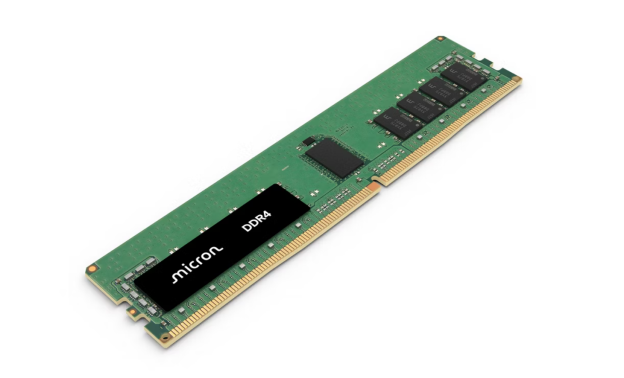
As Samsung winds down DDR4 production with final orders due in June, module makers seem to be already scrambling for supply. Amid the tight market, rumors say Micron has hiked June DDR4 prices by 50%, sending 8Gb and 16Gb spot prices soaring.
Industry sources indicate that DDR4 pricing is in chaos, with some quotes jumping as much as 100%. Another Etnews report noted that Samsung has raised DRAM prices for the first time in over a year amid tight supply, with DDR4 seeing the sharpest jump.
The report suggested that Samsung, finalized new pricing terms with major clients in early May, has raised DDR4 prices by around 20%.
According to Commercial Times, with major suppliers gradually scaling back DDR4 support—reserving it mainly for automotive and industrial applications—spot prices have continued to climb for months on strong demand. The upward trend is expected to persist through June, the report adds.
TrendForce: Server DDR4 Prices to Rise 23% in Q2
The scenario aligns with TrendForce’s latest investigations, which find that DDR4 contract prices for servers and PCs are expected to rise more sharply in the second quarter of 2025 due to two key factors: major DRAM suppliers scaling back DDR4 production and buyers accelerating procurement ahead of U.S. tariff changes.
As a result, server DDR4 contract prices are forecast to rise by 18–23% QoQ, while PC DDR4 prices are projected to increase by 13–18%—both surpassing earlier estimates, as per TrendForce.
Notably, looking ahead to 3Q25, TrendForce suggests that if suppliers continue to tighten DDR4 production, speculative restocking could again push prices higher than expected.
Taiwanese DRAM makers are riding the wave too. MoneyDJ reports that Nanya Technology is optimistic about the DDR4 market. The company credits supply cuts by major players for lifting both shipments and prices, with May revenue jumping 6.87% to NT$3.33 billion—a near one-year high.
Read more
- [News] Samsung Reportedly Hikes DRAM Prices on Pre-Tariff Stockpiling, DDR4 up 20%
- [News] Micron Reportedly Joins Samsung in Cutting DDR4 Output, Boosting Taiwanese Suppliers
(Photo credit: Micron)
Please note that this article cites information from Etnews, Commercial Times and MoneyDJ.