[News] HBM3E Spot Prices Said to Be 4–5× LTA Levels, with Samsung Reportedly Locking 70% of Capacity Through 2031
South Korea is exporting less DRAM at sharply higher prices as memory supply tightens. According to Seoul Economic Daily, citing Korea International Trade Association data released Aug. 31, exports of DRAM used in AI chips, including HBM and low-power double data rate (LPDDR) memory, fell 13.2% from about 681.79 million units in May to 591.74 million in July. Despite the decline in volume, export value climbed 18.5% from US$11.43 billion to US$13.55 billion, while the average unit price surged 36.6% from US$16.76 to US$22.90.
Memory makers’ growing reliance on long-term agreements (LTAs) is further tightening available supply, as volumes are locked in for major customers and less is left for the spot market. Samsung Electronics’ memory division has reportedly allocated about 70% of its production capacity through 2031 to LTAs, with major customers including NVIDIA, Microsoft, and Google.
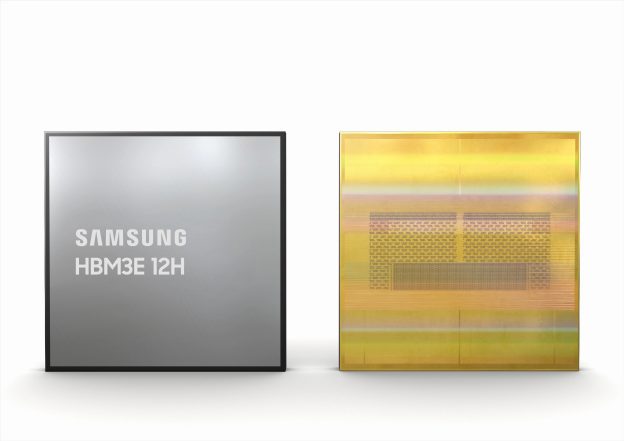
The tight spot market has created a striking gap with LTA prices. As Seoul Economic Daily highlights, a 36GB HBM3E product reportedly costs US$2,100 on the spot market, roughly four to five times its LTA price. Meanwhile, 16-layer HBM4 products being prepared for mass production are reportedly priced at around US$3,500 on the spot market.
LTAs Reshape Memory Supply and Production
The expansion of LTAs is also reshaping memory makers’ inventories. According to Dealsite, Samsung Electronics’ semiconductor inventory assets rose 32% from the end of last year to KRW 38.06 trillion in the first half of 2026, with work-in-process (WIP) inventory up 35% to KRW 29.71 trillion. SK hynix saw a similar trend, with total inventories rising 26% to KRW 17.99 trillion and WIP up 20% to KRW 11.08 trillion. Unlike in past downcycles, when rising inventories often reflected unsold chips, industry sources say the latest increase partly reflects raw materials and production volumes being secured in advance to meet future demand committed under LTAs.
Customers are also moving to secure long-term supply. According to Tom’s Hardware, NVIDIA increased its long-term purchase commitments from US$119 billion in fiscal Q1 2027 to US$279 billion in Q2. Such commitments have traditionally covered TSMC wafer processing and advanced packaging as well as HBM, but NVIDIA said the latest commitments are primarily related to memory procurement.
For memory makers, however, greater reliance on LTAs comes with a trade-off. Global Economic News notes that long-term contracts provide greater earnings stability but can limit windfall gains when spot prices surge. With DRAM supply expected to remain tight in the short term, the pace of global AI investment and the timing of new production capacity will be key to the longer-term supply-demand balance.
According to TrendForce, several U.S. CSPs have entered into multi-year LTAs amid tight memory supply. TrendForce expects server DRAM contract prices to rise 13–18% QoQ in 3Q26, with further quotation increases possible as the market remains undersupplied.
Read more
- [News] Samsung Targets 60–70% Capacity Under LTAs; Five Key Customers Reportedly Include AWS, Microsoft, Google
- Long-Term Agreements Cap Price Increases; Server DRAM Contract Prices Expected to Rise 13-18% QoQ in 3Q26, Says TrendForce
(Photo credit: Samsung)