[News] NVIDIA RTX 50 Prices in Korea May Rise Up to 30% From Aug. on Higher TSMC Wafer and GDDR7 Memory Costs
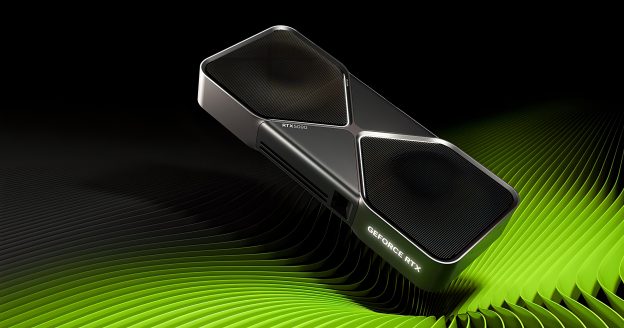
Higher wafer and memory costs are beginning to push up graphics card prices. According to ZDNet, sources say prices for NVIDIA’s GeForce RTX 50 series graphics cards in South Korea could rise by as much as 30% this month. The report attributes the expected price increases to higher wafer and GDDR7 memory costs. TSMC announced in July that it would raise wafer prices for 7nm and more advanced processes. The GPUs are manufactured by TSMC on 4nm, as noted by Wccftech,
NVIDIA supplies RTX 50 series GPUs and GDDR memory to graphics card manufacturers as a bundled kit. As GDDR7 memory prices rise, kit costs increase accordingly, leaving manufacturers little choice but to pass the higher procurement costs on through product pricing, according to the report.
A representative from one manufacturer said major vendors temporarily halted shipments ahead of the August price increases, leaving few distributors able to secure inventory before the higher prices took effect, as noted by the report. Some manufacturers had already begun raising graphics card prices over the previous weekend, the report adds.
Higher-end models equipped with larger GDDR7 memory capacities have seen greater cost increases, the report notes. Depending on the manufacturer, flagship GeForce RTX 5090 (32GB) models have risen by as much as KRW 1.5 million since mid-July, with some now selling for around KRW 7.3 million.
Similar price increases have also been reflected in the U.S. and Chinese markets. According to a July report by Wccftech, GPU prices in China have climbed sharply following recent GDDR6 and GDDR7 memory price increases. The GeForce RTX 5090D 32GB has reportedly risen 22.5% from its previous price and now retails at more than twice its manufacturer’s suggested retail price (MSRP). Meanwhile, according to Tom’s Hardware, the Asus ROG Astral RTX 5080 is listed at US$2,099.99 at Best Buy, about US$600 above its launch MSRP.
Citing data from South Korean price comparison website Danawa, the report points out that the cheapest GeForce RTX 5060 Ti (8GB) model now sells for around KRW 700,000 (about US$490), roughly KRW 100,000 (about US$70) higher than before. Meanwhile, the lowest-priced GeForce RTX 5070 model is listed at around KRW 1.1 million (about US$770), up approximately KRW 200,000 (about US$140).
Broader Graphics Card Pricing Pressure Persists
Pricing pressure also extends beyond NVIDIA. According to Tom’s Hardware, current U.S. retail prices for AMD’s Radeon RX 9070 XT are about 20% above its launch manufacturer’s suggested retail price (MSRP), while RX 9060 XT models are selling at premiums of more than 30%, underscoring broader pricing pressure across the graphics card market.
The latest graphics card price increases also point to broader supply constraints across the memory market. According to TrendForce, the DRAM sufficiency ratio is projected at approximately -1% to -2% in 2026, with the supply-demand gap expected to widen further in 2027 as demand continues to outpace supply expansion.
Read more
- DRAM Supply to Remain Tight in 2027, Prompting NVIDIA to Lower HBM Configurations for Rubin Ultra, Says TrendForce
- [News] AMD Reportedly Raises GPU-GDDR Kit Prices by ~10% for AIB Partners, Effective Jul. 2026
(Photo credit: NVIDIA)