[News] Intel Might Build Up to 90% of Nova Lake Compute Tiles on 18A, Scaling Back TSMC’s Planned Role
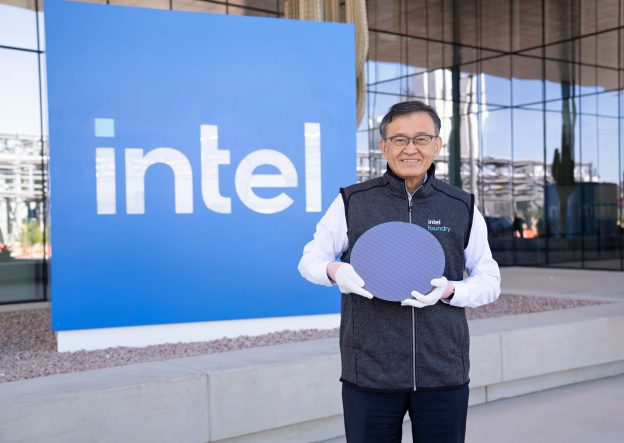
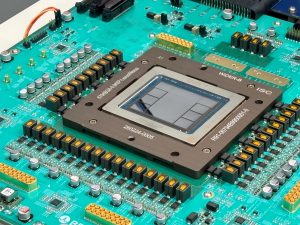
Intel is reportedly shifting most of the compute tile production for its upcoming Nova Lake processors back to Intel Foundry. According to TechPowerUp, citing KeyBanc, the latest supply chain information suggests that approximately 80–90% of the compute tiles may now be manufactured in-house. The reported plan marks a shift from Intel’s original plan to outsource the main compute tile to TSMC’s N2 process. TSMC was initially expected to produce around 60–70% of the volume, with Intel Foundry manufacturing the remainder on its 18A node under a dual-source strategy for the next-generation chips.
As the report notes, the rumored shift follows improvements in Intel’s 18A yields, which have reportedly reached a level reliable enough to prevent product delays. Wccftech also notes that 18A yields have reportedly improved to as high as 85%, up from 65% in the previous quarter, placing them just behind TSMC’s reported 90% yield for its N2 process while well ahead of Samsung’s reported 50–60% yield for SF2.
Regarding manufacturing capacity, the TechPowerUp report notes that Intel currently has about 30,000 wafers per month of 18A capacity across two sites: Fab 52 in Phoenix, Arizona, and another facility in Hillsboro, Oregon. While this is sufficient to support current internal production, including Panther Lake, the report says Intel will require additional capacity for future products such as Nova Lake, which is reportedly still months away from its consumer launch.
That said, shifting the majority of Nova Lake production in-house may not be without challenges. HotHardware notes that if the processors remain on track for launch around the turn of the year, product validation and manufacturing preparations would already be well underway. As a result, moving the desktop CPU tiles from one leading-edge process to another at this stage of development would represent a significant change.
Intel Expands Its Foundry Push
In addition, KeyBanc claims that Intel has secured additional foundry wins from AMD, NVIDIA, Marvell, Microsoft, Micron, and OpenAI. While none of these companies has publicly confirmed such agreements, the HotHardware report notes that if even part of the claims prove accurate, they would represent a major endorsement of Intel’s foundry strategy.
Beyond its 18A process, Intel’s advanced packaging technologies, including EMIB and its enhanced variants, EMIB-T and EMIB-M, may also strengthen its competitive position against TSMC’s CoWoS, which continues to face supply constraints. According to Wccftech, citing KeyBanc, NVIDIA (Feynman GPU), Google (TPU HumuFish), and Amazon (AWS Trainium 3) are among the reported customers for Intel’s EMIB packaging.
Read more
- [News] Intel Says 18A May Reach Strong Margins by 2027; Notebook Chips on the Node Mark Fastest Ramp in 5 Years
- [News] Intel 18A-P Enters Risk Production, Targets 9% Performance Gain With Potentially Shortened Ramp
(Photo credit: Intel)