[News] JX Advanced Metals to Invest JPY 120B Through FY2030, Expand InP Capacity Up to 10x on CPO Demand
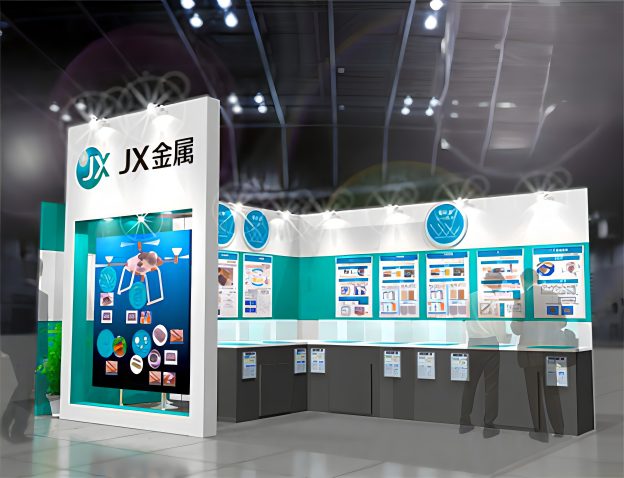
Indium phosphide (InP) is becoming an increasingly important material for photonics in next-generation AI data centers, where supply remains tight. According to Nikkei, JX Advanced Metals plans to increase its InP substrate production capacity by up to tenfold. The company intends to invest a total of JPY 120 billion (US$749 million) in two production facilities in Ibaraki Prefecture through fiscal 2030.
Production capacity is expected to reach 7–10 times its fiscal 2025 level. The report notes that the expansion will represent the largest investment in JX Advanced Metals’ history.
JX Advanced Metals is expanding capacity to capture growing demand from major U.S. technology companies. The company has produced InP substrates since the 1980s and, in fiscal 2025 alone, approved three expansion projects and investment plans totaling approximately JPY 25 billion.
InP enables bidirectional conversion between electrical and optical signals. NTT’s next-generation communications infrastructure initiative, IOWN, also relies on optical communication technologies. NVIDIA is similarly developing equipment that converts electrical signals into optical signals for communications within AI data center servers, the report notes.
Reuters notes that market leaders AXT and Sumitomo account for nearly 80% of global InP substrate production, while JX Advanced Metals holds an estimated 10% share.
Why InP Matters for AI Data Centers
As AI workloads continue to grow, demand for InP is rising, Reuters notes. Data center operators are increasingly shifting from copper interconnects to optical fibers and photonic technologies. Reflecting this trend, TrendForce forecasts that the combined CPO and NPO markets will grow from roughly US$100 million in 2025 to more than US$39 billion by 2030.
Meanwhile, China’s export restrictions on InP products, imposed in February 2025, have emerged as a key bottleneck for AI data center buildouts. Since the controls were introduced, the average price of a 6-inch InP wafer has surged 250% to roughly US$5,000.
Reuters further notes that Coherent, which received a US$2 billion investment from NVIDIA earlier this year, warned of InP shortages during its May earnings call. The growing importance of InP is also becoming evident across the optical connectivity supply chain. According to GuruFocus, Tower Semiconductor recently finalized a multi-year agreement with IQE to secure a long-term supply of InP epiwafers for AI data center optical connectivity solutions.
Read more
- Optical Interconnects Become Critical to AI Factory Expansion; CPO/NPO Market Expected to Exceed US$39 Billion by 2030, Says TrendForce
- [Insights] NVIDIA’s US$2B Marvell Deal: What’s the Strategic Significance for CPO and AI Interconnects?
(Photo credit: JX Advanced Metals)