[News] China’s Rare Earth Compound Exports Fell 17% in Value; Alternative Supply Chains Gain Momentum
Since China tightened rare earth export controls, how has the industry adapted? According to Nikkei, analysis of Chinese customs data shows that between April 2025 and March 2026, exports of rare earth permanent magnets fell 4% year over year by volume to 58.1 million kilograms, while export value edged up slightly to US$2.8 billion. The report notes that the figures include both restricted high-performance magnets and unrestricted products, as China’s customs codes do not distinguish between the two.
As Nikkei notes, challenges extend to intermediate rare earth materials used across a range of high-tech applications. Overall, China’s rare earth compound exports fell 17% by value, while exports of yttrium, dysprosium, and terbium oxides declined 53%, 65%, and 59% by volume, respectively. China refines 80%-90% of the world’s rare earths, the report adds.
Currently, according to Reuters, U.S. Trade Representative Jamieson Greer said last Thursday that rare earth exports from China to the U.S. are improving, although Beijing remains slow to approve some shipments. He noted that China continues to drag its feet on certain export licenses, requiring U.S. officials to intervene on behalf of affected companies.
Against this backdrop, the U.S. is also stepping up efforts to build alternative rare earth supply chains. According to Chosun Biz, citing Bloomberg, the U.S. Department of Defense is reportedly advancing a rare earth and permanent magnet supply chain initiative centered on a group known as “Deal Team Six.” The report says the team includes former Wall Street bankers and private equity professionals, with up to US$200 billion available over the next three years to support investments and long-term contracts across rare earth mining, refining, and magnet production.
Companies Explore Alternatives as Supply Pressures Persist
Amid ongoing uncertainty over rare earth supply, companies are responding through stockpiling, recycling, and redesigning products to reduce reliance on affected materials, according to Nikkei. The report notes that Switzerland’s Oerlikon Surface Solutions has pursued alternatives including stockpile drawdowns and recycling efforts, though new supplies could still take more than a year to emerge, while U.S. defense contractor Lockheed Martin is exploring ways to design systems without some of the affected materials.
Alternative Supply Chains Gain Momentum
Some companies are also moving to establish alternative supply chains. According to Nikkei, Australia’s Lynas, which began separating certain heavy rare earths last year, has secured price floor agreements with Japan and the U.S. Meanwhile, Canada’s Neo Performance Materials announced in April that it had commissioned a heavy rare-earth separation circuit at its refinery in Estonia, while U.S.-based Energy Fuels produced dysprosium oxide at its Utah facility late last year.
Notably, some companies may also benefit as efforts to diversify rare earth supply chains accelerate. Arnold Magnetics, which manufactures samarium cobalt magnets used in defense applications, saw earnings double year over year in the three months through December. Nikkei notes China’s restrictions may strengthen long-term demand for non-China rare earth magnet suppliers. The company is also planning to ramp up operations in Thailand.
Read more
- [News] MLCC Giant Murata Reportedly to Decouple China Rare Earth Supply in 3 Years as Risks Rise
- [News] U.S. Reportedly Approves NVIDIA H200 Sales to 10 Chinese Firms Including Alibaba, ByteDance, but Deals Stall
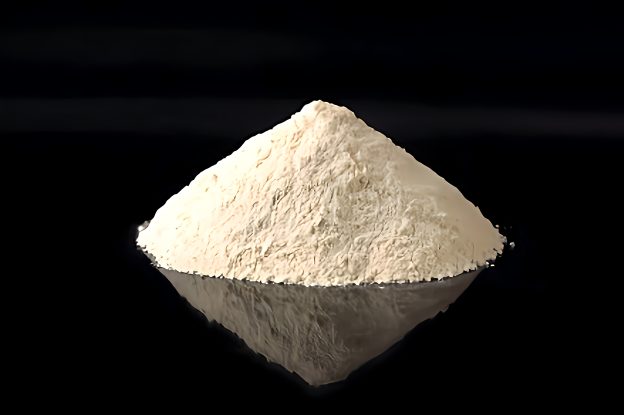
(Photo credit: Grinm Advanced Materials)