[News] U.S. Reportedly Approves NVIDIA H200 Sales to 10 Chinese Firms Including Alibaba, ByteDance, but Deals Stall
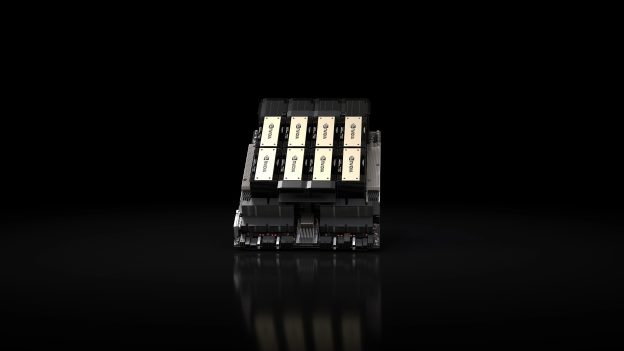
As global AI competition intensifies, U.S. export controls on advanced AI chips remain under close scrutiny. According to Reuters, sources say the U.S. has approved around 10 Chinese companies to purchase NVIDIA’s second-most powerful AI chip, the H200, though no shipments have reportedly been delivered so far.
As Reuters notes, the U.S. Commerce Department has reportedly approved around 10 Chinese firms — including Alibaba, Tencent, ByteDance, and JD.com — to purchase NVIDIA’s H200 AI chips.
Distributors including Lenovo and Foxconn have also reportedly received approval. Under the U.S. licensing terms, approved customers can purchase the chips either directly from NVIDIA or through authorized intermediaries, with each customer allowed to buy up to 75,000 units, the report adds.
Bloomberg also notes that NVIDIA CEO Jensen Huang joined U.S. President Donald Trump on his China visit as a last-minute addition, underscoring how AI chip exports have become an increasingly high-profile issue.
H200 Deals Reportedly Stall Amid Beijing’s Domestic AI Push
However, despite receiving U.S. approval, the deals have reportedly stalled after Chinese firms pulled back following guidance from Beijing. Reuters notes that pressure is also mounting within Beijing to either block the purchases or subject them to stricter review.
Beijing’s hesitation appears tied to broader strategic concerns, amid fears that large-scale imports could weaken efforts to develop China’s domestic AI chip industry. As Reuters points out, while Chinese AI chips still lag behind NVIDIA’s offerings, companies such as DeepSeek are increasingly highlighting their reliance on locally developed hardware, including chips from Huawei.
Reuters notes that H200 sales to China remain stalled amid regulatory and security concerns on both sides. U.S. rules require Chinese buyers to prove the chips will not be used for military purposes, while NVIDIA must certify sufficient U.S. inventory. In addition, a Trump-negotiated arrangement requiring the U.S. to receive 25% of chip-sale revenue has reportedly raised further concerns in Beijing, amid fears that the added supply-chain handling process could create potential security risks.
Scrutiny in China has intensified following two recent supply chain security regulations issued by the State Council, triggering a broader government push to identify and reduce potential foreign dependencies across critical technology infrastructure, Reuters notes.
Before U.S. export restrictions tightened, NVIDIA held around 95% of China’s advanced AI chip market. China previously contributed about 13% of the company’s revenue in fiscal 2025 ended Jan. 26., while Jensen Huang has estimated the country’s AI market could reach US$50 billion this year, the report adds.
In April 2026, NVIDIA CEO Jensen Huang said the company’s China market share had effectively fallen to zero, according to Yahoo Finance.
Read more
- [News] Intel CEO Lip-Bu Tan Hints at Exciting New Products With NVIDIA as Foundry Collaboration Rumors Grow
- [News] Decoding DeepSeek V4: How Huawei’s Ascend 950 PR Is Powering China’s Push to Break CUDA Dependence
(Photo credit: NVIDIA)