[News] Samsung Strike Seen Contained on Revenue Impact, with Price Support and Order Shift Risks to SK hynix, Micron
A potential strike at Samsung Electronics may prove less disruptive than feared, with analysts saying even a prolonged walkout is unlikely to materially impact quarterly revenue. According to Chosun Biz, Samsung Electronics’ labor union plans to launch a general strike starting on the 21st, though the expected impact on semiconductor operations and earnings is seen as relatively limited. Currently, Hankyoreh Newspaper notes that post-mediation talks between Samsung Electronics management and labor have broken down, further escalating tensions ahead of the planned strike.
Automation and Safety Rules Could Limit Strike Impact
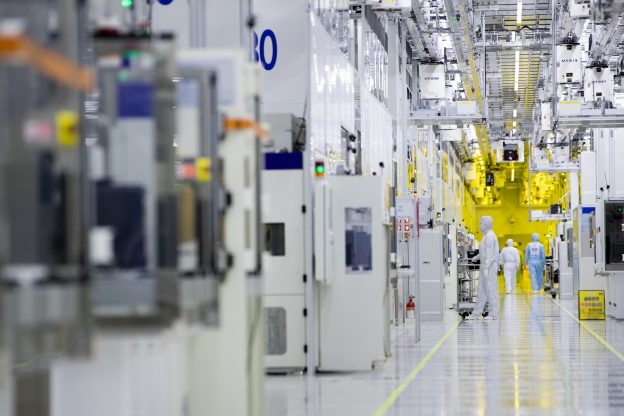
As Chosun Biz notes, semiconductor manufacturing is far more complex than conventional assembly-line production, meaning meaningful disruption would require highly coordinated participation across sites, shifts, and job functions. As a result, a full production shutdown is viewed as highly unlikely, although production speed, including wafer input rates, could still face some impact.
The report also notes that strict legal and safety regulations are limiting the union’s available options. Due to the semiconductor industry’s extensive environmental and safety requirements involving toxic gases and chemicals, causing major production disruption through a strike may be more difficult than in conventional manufacturing industries.
Revenue Impact Seen Contained, but Order Shift Risks Grow
As a result, many analysts believe the overall financial impact from the strike would likely remain manageable even if some production disruption occurs. Industry observers cited by Chosun Biz estimate that even if memory production slows by as much as 5% based on wafer input levels, the effect on quarterly revenue would likely remain below 1 trillion won, compared with total quarterly sales of around 23 trillion won.
Some observers further argue that slower production rates could actually lift DRAM and NAND flash average selling prices (ASP), potentially supporting revenue and operating profit. As concerns over supply shortages grow, major customers may move more aggressively to secure DRAM and NAND supply, which could further drive prices higher.
However, the bigger concern may lie not in direct financial losses but in reputational damage and weakening customer trust. According to Chosun Biz, Samsung Electronics is expanding supply of AI infrastructure products including HBM, high-capacity server DRAM, and enterprise SSDs, but even limited disruption could push global customers concerned about delivery uncertainty toward rivals such as SK hynix and Micron. The report adds that because semiconductor process validation and customer certification require significant time and cost, winning customers back may not be easy once they switch suppliers.
Read more
- [News] Samsung’s May Strike Seen Disrupting Up to 4% of DRAM Output, With Weeks-Long Recovery Risk
- [News] Samsung Labor May Strike from May 21, Potentially Lifting DDIC and PMIC Prices Amid Tight Mature-Node Supply
(Photo credit: Samsung)