[News] Hybrid Bonder Market Could Hit $2B by 2028 as Korean Makers Push Next-Gen HBM Tools
As HBM suppliers weigh the shift to hybrid bonding for their 16-layer HBM4 products to address TSV yield bottlenecks, News1 Korea, citing industry analysts, reports that the hybrid bonding market is set to soar in the HBM4E era, with its share projected to hit around 50% by 2028.
News1 Korea notes that HBM is built using TC bonders, which apply heat and pressure to solder-like bumps that link chips together. But as this traditional approach nears its physical limits, hybrid bonding is emerging as the go-to solution for high-stack chips beyond 20 layers — connecting chips directly without bumps, reducing signal loss and boosting overall performance, the report adds.
The report further estimates hybrid bonders could cost around 4 billion won each, and if the technology is used in about half of all HBM production by 2028, the market could grow to 2.8 trillion won (nearly $1.99 billion) by then. According to data news, hybrid bonders cost more than twice as much as TC bonders.
Next-Gen Push: Hybrid Bonder Race Heats Up
As the focus in the memory industry shifts toward next-generation hybrid bonding, South Korean equipment makers are racing to keep pace — especially with next-gen HBM chips using this technology expected to supply the upcoming data centers OpenAI plans to build with Samsung Electronics in Pohang and SK hynix in South Jeolla, as per News1 Korea.
Among them, Hanmi Semiconductor, the current TC bonder leader, is doubling down on next-gen HBM. News1 Korea reports the company is investing 100 billion won to build a 14,600 square-meter hybrid bonder factory in Incheon, scheduled to open in H2 2026. The facility is expected to produce hybrid bonders for both HBM and logic chips (XPU), the report adds.
As per data news, Hanmi Semiconductor plans to roll out a hybrid bonder for HBM6 by the end of 2027. The company emphasized that HBM4 and HBM5 production can still be handled with TC bonders, the report adds.
On the other hand, Hanwha Semitek, as a latecomer, is trying to turn the tables by doubling down on hybrid bonders. The report notes that the company recently established the Advanced Packaging Technology Center. Having already partnered with SK hynix in 2021 to develop first-generation hybrid bonders, Hanwha Semitek now aims to launch its second-generation device, the “SHB2 Nano,” early next year—potentially ahead of Hanmi Semiconductor, the report points out.
Meanwhile, SeDaily reported in July that LG Electronics is making a bold move into the semiconductor equipment sector, developing hybrid bonders for HBM with mass production reportedly planned by 2028.
Nonetheless, global players continue to lead the hybrid bonder market. According to ZDNet, Dutch equipment maker BESI expects demand for hybrid bonding tools to surge in the second half of 2025, as customers advance their technology roadmaps for next-gen logic chips and HBM4 products slated for 2026 and 2027. Meanwhile, ASMPT, a subsidiary of ASMI (the parent company of ASML), also reported steady progress, as it reportedly planned to deliver these systems to HBM customers in the third quarter.
Read more
- [News] HBM Hybrid Bonder Demand Reportedly Rising in 2H25, as BESI and ASMPT Eye Growth
- [News] Hanmi Reportedly Eyes Hybrid Bonders by 2027, Says TC Bonders Sufficient for HBM4, HBM5
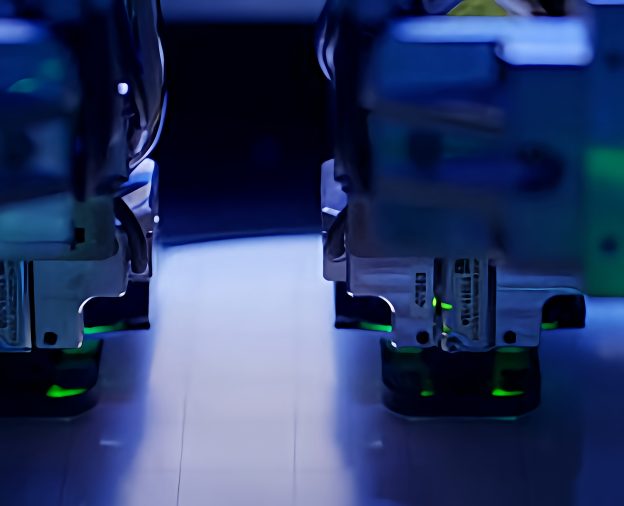
(Photo credit: BESI)
Please note that this article cites information from News1 Korea, data news, SeDaily and ZDNet.