[News] Qualcomm Questions Intel’s Adequacy, Undermining Team Blue’s Foundry Ambitions
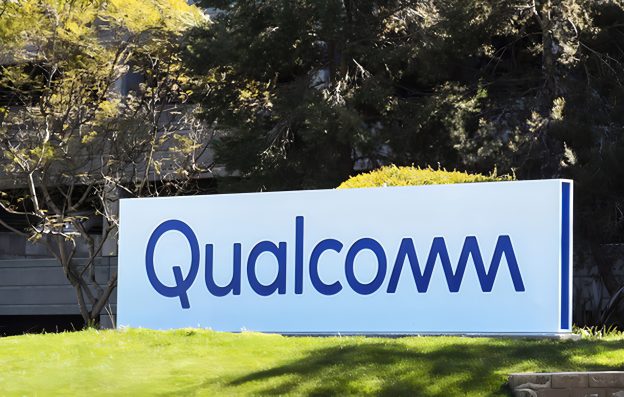
According to Tom’s Hardware, citing Bloomberg, Qualcomm CEO Cristiano Amon said Intel’s foundry technology is not yet a viable option for the company to use as a supplier for its processors. As the report notes, the CEO added that Qualcomm will continue to rely on its current producers, TSMC and Samsung.
In the PC space, Tom’s Hardware notes that Qualcomm’s Snapdragon X chips are currently manufactured by TSMC on its N4 process. The report adds that these chips are already shipping in a growing number of Arm-based laptops, delivering power efficiency that rivals—and in some cases surpasses—Intel’s latest products.
Tom’s Hardware further points out that since Qualcomm, through its Snapdragon X processors, is now a direct competitor to Intel in the thin-and-light notebook market, Amon’s statement carries significant weight: one of the most promising players in the PC space has publicly said Intel’s foundry is not yet ready to meet its needs.
In addition, Tom’s Hardware notes that Intel’s forthcoming Nova Lake products are expected to rely in part on TSMC’s N2 process, with Intel’s own 18A node potentially limited to lower-end parts. The report suggests this could complicate Intel’s efforts to convince companies, including Qualcomm, to adopt its process technology.
Intel’s Reliance on External Foundries
Intel has grown increasingly dependent on external foundries. According to a transcript of the latest investor conference cited by Investing.com, Intel CFO Dave Zinsner acknowledged that the company’s chip production will continue to depend heavily on partners such as TSMC. “We will be putting products on TSMC, you know, forever, really. They’re a great partner for us,” he said, as cited by the report.
According to Investing.com, Intel estimates that about 70% of its chips are currently produced in-house, with the remaining 30% outsourced to external foundries. The report adds that TSMC manufactures the entire Lunar Lake lineup and most of Arrow Lake as well. In July, Intel indicated it could pause or even abandon 14A development if it fails to secure substantial external business or meet key progress milestones, as noted by Tom’s Hardware.
Qualcomm Drives Into Automotive Tech
In addition to its assessment of Intel’s foundry capabilities, Qualcomm is continuing to expand into new markets. The company, best known as a leading supplier of smartphone chips, has announced an automated driving system in partnership with German automaker BMW. As Reuters indicates, the system could help attract customers with features such as hands-free driving assistance.
Read more
- [News] Intel Reportedly Sets 2026 as Key Test for 14A, But Might Rely on TSMC “Forever”
- [News] UMC Reportedly Lands Qualcomm Deal for Advanced Packaging, Mass Production in 1Q26
(Photo credit: Qualcomm)
Please note that this article cites information from Tom’s Hardware, Bloomberg, Investing.com, and Reuters.