[News] China Greenlights First Rare Earth Exports to South Korea Under New Controls, Yet 45-Day Delays Remain
According to a report from Business Korea, South Korea’s Ministry of Trade, Industry and Energy and industry sources on May 25 indicated that China’s Ministry of Commerce has approved rare earth exports this month to several South Korean firms that procure materials through Chinese suppliers. This marks the first such approval since China imposed new export controls on seven types of rare earths on April 4, the report notes.
Meanwhile, although China’s approval of rare earth exports to several South Korean companies has lessened immediate concerns surrounding South Korea’s rare earth supply, Business Korea, citing a government official, notes that the export approval process still takes up to 45 days—a delay that remains unchanged under the current controls.
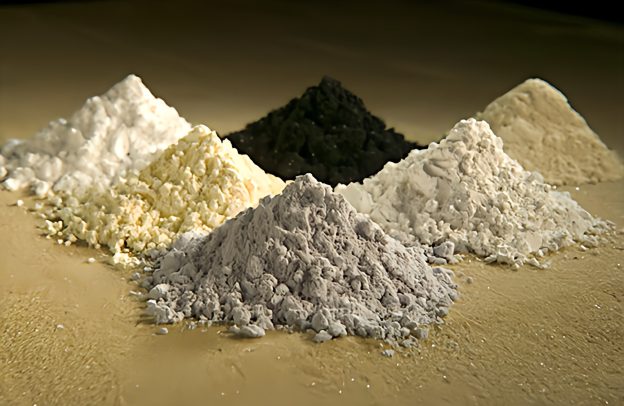
The restrictions announced by China on April 4 cover seven rare earth elements—samarium, gadolinium, terbium, dysprosium, lutetium, scandium, and yttrium—as well as related products such as permanent magnets. Although not a full ban, the new rules require companies to obtain special licenses, which could significantly delay shipments, as noted by The Korea Herald.
These metals are critical materials used in advanced technologies such as smartphones and electric vehicles, as well as in green industries, with a heavy global dependence on Chinese supply, Business Korea highlights.
As noted by SEDaily, the International Energy Agency (IEA) estimates that China produces around 60% of the world’s rare earth elements and handles close to 90% of their global processing and refining.
Business Korea indicates that China’s rare earth export controls were enacted in response to U.S. tariffs on imports from China. Washington announced a 34% reciprocal tariff on Chinese imports on April 2. In response, Beijing imposed a matching 34% tariff on U.S. goods two days later and simultaneously introduced export controls on seven rare earth elements targeting all global markets.
Read more
- [News] China’s Rare Earth Curbs Puts EV Industry on Alert as Magnet Supplies Could Be Depleted Soon
- [News] Tesla’s Robot Plans Stumble Amid China’s Rare Earth Export Curbs
(Photo credit: JS LINK)
Please note that this article cites information from Business Korea, The Korea Herald, and SEDaily.