[News] Samsung Display Revives Asan OLED Expansion Plan with KRW 67 Trillion
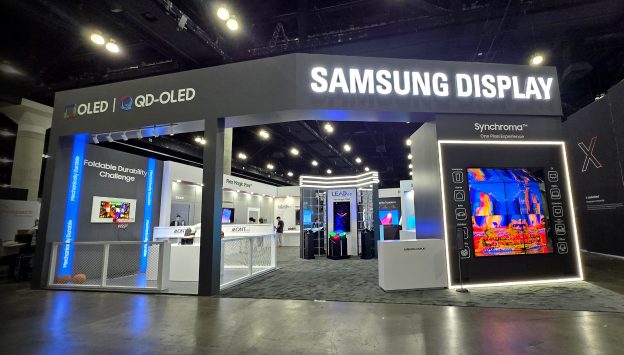
Samsung Display has announced plans to resume investment in its Asan Campus 2 project in South Korea’s Chungcheongnam-do province, moving forward with a large-scale expansion initiative worth KRW 67 trillion.
Lee Cheong, president of Samsung Display, said after the “K-Display 2026” event held at COEX Seoul on July 22 that the investment was part of the company’s previously announced commitments and would now enter the execution phase. “Preparations must begin now, and the project needs to move forward as quickly as possible,” he said.
The investment is part of Samsung Group’s broader KRW 140 trillion investment plan for the Chungcheong region unveiled earlier this month. Under the plan, Samsung Display will allocate KRW 67 trillion to Asan, upgrading existing production facilities and building new OLED manufacturing lines at the Display City Campus 2.
Located next to the company’s existing Asan Campus 1, the Display City Campus 2 site was initially developed in 2017. However, construction was suspended in 2020 amid market uncertainties. With OLED demand and next-generation display applications gaining momentum, Samsung Display is now preparing to restart the project.
Despite the renewed investment, Lee warned that the display industry will continue to face near-term challenges. In the second half of this year, rising semiconductor prices are expected to increase manufacturing costs for smartphones and IT devices, weakening panel demand and intensifying pricing pressure across the supply chain.
“Demand for OLED panels used in smartphones and IT devices has declined overall, while customers are facing a difficult operating environment,” Lee said, adding that panel and component suppliers are under growing pressure to reduce prices.
As Chinese panel makers continue to expand OLED investments and production capacity, Lee acknowledged that the rapid growth of China’s display industry poses a significant challenge to South Korean manufacturers. He emphasized that Korean companies must maintain their technological leadership in OLED while accelerating development of next-generation display technologies to remain competitive.
Technically, Lee expressed confidence in Samsung Display’s competitiveness in the foldable OLED market. Excluding Chinese customers and Chinese panel manufacturers, Samsung Display still maintains a leading position in the global foldable display sector, with advantages in image quality, durability and overall display performance, he said.
Meanwhile, Samsung Display’s 8.6-generation IT OLED production line is progressing smoothly and is expected to enter mass production as scheduled. Through continued investment, the company aims to strengthen OLED supply capabilities for emerging applications, including laptops, tablets, foldable smartphones and XR devices.
(Photo credit: Samsung)