[News] Intel Advances Glass Substrate Push with 3DGS, US$3.3 Billion India Plant Set for Five-to-Six-Year Buildout
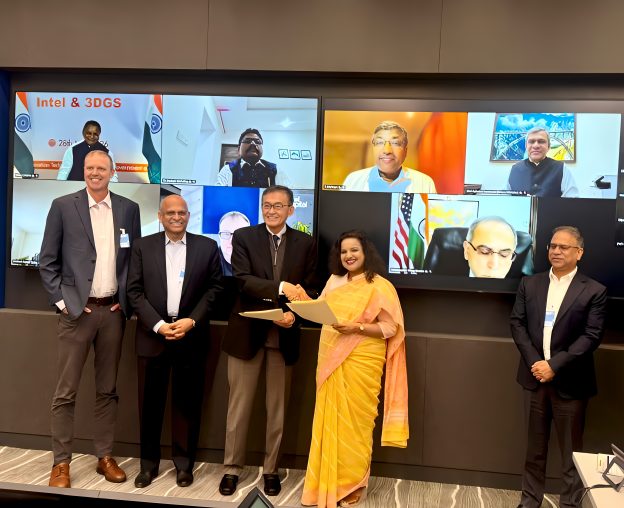
Intel is moving ahead with its glass substrate push. According to Reuters, the Indian government said Intel and 3DGS plan to invest about US$3.3 billion to build a substrate manufacturing plant in Odisha, eastern India. The planned plant will be built in the Bhubaneswar-Khurda region over five to six years, with a focus on advanced packaging glass core substrates, high-density interconnect substrates, and related semiconductor technologies.
As noted by The Next Web, the Indian government says the plant is expected to produce about 70,000 glass substrates annually, along with some 50 million assembled units and nearly 13,000 advanced 3D heterogeneous-integration modules.
3DGS, founded in 2005, is a U.S. semiconductor technology company. As noted by STAR Market Daily, the company’s Intel-backed packaging facility broke ground in April in Bhubaneswar, the capital of India’s Odisha state.
Intel’s glass substrate push is not limited to India. According to Forbes, Rio Rancho, New Mexico, could become Intel’s first volume glass substrate manufacturing site and potentially the first such facility in the world, as Intel’s glass substrates are currently produced only through a pilot line in Chandler.
Tech Giants Push Glass Substrates Toward Commercialization
Global tech giants are also accelerating glass substrate development. According to Economic Daily News, TSMC has named its panel-level packaging technology CoPoS (Chip-on-Panel-on-Substrate). Its biggest shift is moving from traditional round wafers to square glass or organic substrates, with mass production reportedly possible as early as 2028.
As for South Korean companies, according to Business Post, SKC and its subsidiary Absolics are expected to begin what could become the world’s first commercial production of glass substrates by the end of 2026. The Elec also reports that Samsung Electro-Mechanics is operating a glass substrate pilot line at its Sejong plant in South Chungcheong Province, with mass production targeted after 2027.
Meanwhile, as Commercial Times states, Taiwanese manufacturers say surging demand for high-capacity storage in AI servers is driving hard disk technology toward heat-assisted magnetic recording, or HAMR, because HAMR involves high-temperature processes, heat-resistant glass substrates could replace traditional aluminum platters.
Read more
- [News] Intel Reportedly Eyes World’s First Glass Substrate Output at Rio Rancho; Offers Silicon Photonics to Customers
- [News] Korea Challenges Intel on Glass Substrate Standards as Absolics, Samsung Accelerate Commercialization
(Photo credit: Ashwini Vaishnaw on X)