[News] Samsung Xi’an NAND Output Reportedly Dips 5%–6% Amid 200+ Layer Shift; Impact May Extend into Next Year
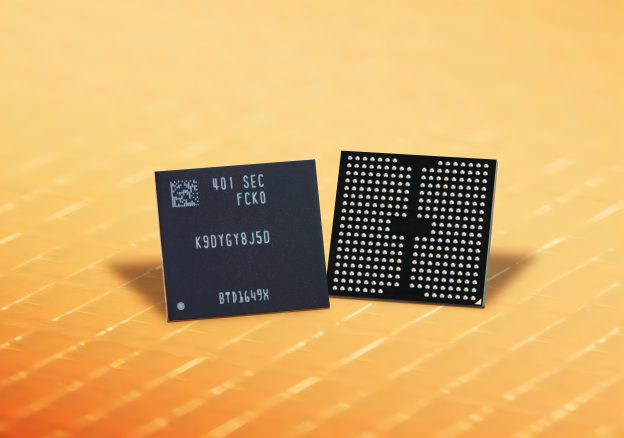
Samsung Electronics’ NAND flash facility in Xi’an, China, is reportedly seeing a decline in wafer output as it undergoes equipment upgrades. According to Chosun Biz, monthly NAND wafer production has declined year on year, with output estimated to have fallen by about 5%–6% from a previous level of around 150,000 wafers per month. There are also speculations that production disruptions may continue into next year.
As the report indicates, the Xi’an plant is in a “transition period” tied to production upgrades, which has weighed on output. The facility has long maintained a relatively high share of 128-layer products, raising concerns about its competitiveness as the industry shifts toward 200–300 layer.
This shift toward higher-layer NAND is already beginning to take shape. As noted by Newspim, sources indicate that Samsung Electronics has begun mass production of its 236-layer, 8th-generation NAND (V8) at the Xi’an plant, marking a shift away from 128-layer products toward higher-performance NAND in the 200-layer range.
The transition to 286-layer, 9th-generation NAND (V9) is expected to be completed within 2026, further reinforcing the Xi’an facility’s role as a key hub in Samsung’s NAND operations. The plant accounts for roughly 40% of the company’s total NAND output, Newspim adds.
U.S. Export Controls Add Uncertainty to Samsung’s Xi’an Plant Transition Strategy
Notably, tightening U.S. export controls on semiconductor equipment to China may further complicate the import of advanced tools, potentially prompting Samsung to accelerate upgrades ahead of stricter regulations, as Chosun Biz notes.
The U.S. Congress is set to review a high-intensity export control bill targeting China, with potential implications for South Korean firms’ China operations under close scrutiny. Currently, as noted by Hankyung, the bill includes an exception clause that excludes existing facilities—owned and operated by companies headquartered outside countries of concern—from the definition of “critical semiconductor manufacturing facilities,” potentially covering Samsung Electronics’ Xi’an plant and SK hynix’s Wuxi and Dalian sites.
However, uncertainty remains. Hankyung notes that late last year, the U.S. BIS shifted equipment imports for these plants to an annual approval system, and stricter oversight could follow if the Match Act is enacted, potentially requiring a reassessment of current arrangements.
Process Transition at Xi’an May Affect Supply Dynamics and Pricing
In addition to equipment upgrades, process transitions involve multiple steps and take time. As Chosun Biz indicates, a full-scale upgrade of semiconductor production lines goes beyond installing new tools, requiring process recalibration, yield stabilization, and adjustments to product mix to match market demand. Industry experts view such transitions as long-term projects, typically taking at least six months and potentially more than a year. According to Chosun Biz, as Samsung prioritizes process transitions over near-term capacity, the ongoing upgrade at its Xi’an plant is expected to affect not only the company itself but also broader NAND supply-demand dynamics and pricing trends.
Read more
- [News] Samsung Reportedly Advances Xi’an to 236-Layer NAND; SK hynix Eyes Dalian Upgrade Amid Tight Supply
- [News] Samsung Reportedly Selling 100+ Tools from Xi’an and Korea, Potentially Accelerating Shift to 200+ Layer NAND
(Photo credit: Samsung)