[News] Mature-Node Prices May Rebound in 2026, but Inventory Overhang and China Competition Weigh
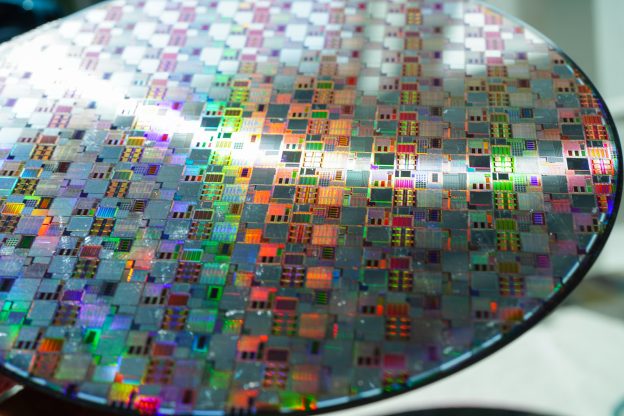
Mature-node prices are edging toward a rebound, though how far the recovery can go remains unclear. According to TechNews, Daniel Wu, CEO of Taiwan-based semiconductor materials integration service provider TSC, said the industry is becoming increasingly polarized between advanced and mature nodes. He added that, following a period of market digestion and capacity adjustments, the mature-node segment is expected to bottom out around 2026, though it remains weighed down by high inventories and intense price competition from Chinese players.
Recently, mature-node foundries have begun moving toward a new round of price hikes. According to Economic Daily News, the world’s four major mature-node foundries—including UMC, Vanguard International Semiconductor (VIS), Powerchip, and China’s Nexchip—are reportedly planning to raise quotes as early as April, with increases reaching up to 10% or more.
Inventory Overhang Continues to Weigh on Pricing Power
Still, as TechNews highlights, inventory levels in the mature-node silicon wafer market remain elevated. Wu noted that in recent years, many customers signed long-term agreements (LTAs) with wafer suppliers to secure supply. However, as market conditions weakened, customers often continued taking deliveries to honor contracts despite already full warehouses, resulting in further inventory buildup. As a result, their ability to place new orders has been significantly reduced, with existing inventories sufficient to meet near-term demand.
When warehouses can no longer absorb additional stock, customers turn to suppliers to renegotiate—either reducing volumes while maintaining prices or keeping volumes while seeking price cuts. Wu noted that compromises on either volume or pricing ultimately place significant margin pressure on suppliers.
Mature-Node Wafer Market Faces China Competition and Pricing Reset
Beyond inventory digestion, Taiwan’s silicon wafer suppliers also face intensifying competition from Chinese peers. As cited by TechNews, Wu noted that Chinese wafer makers have steadily advanced in recent years, supported by state policies that encourage domestic foundries to prioritize local suppliers.
China’s key advantage lies in pricing. In the mature-node segment, where technical barriers are relatively low, Chinese products are already able to meet customer requirements. Combined with government support, Chinese suppliers have been steadily gaining share, the report notes.
Meanwhile, according to TechNews, Wu added that one to two years ago the segment experienced severe price competition. However, after two years of aggressive price cutting, many suppliers found the model unsustainable and exited the market, allowing supply and demand to gradually rebalance and pricing to return to more rational levels.
Please note that this article cites information from TechNews and Economic Daily News.
Read more
- [News] UMC, VIS, PSMC Reportedly Eye Mature-Node Price Hikes Up to 10% From Apr.; IC Costs May Rise
- Strong AI Momentum to Drive 24.8% Growth in Foundry Revenue in 2026; Selective Price Increases Emerging, Says TrendForce
(Photo credit: FREEPIK)