[News] Samsung Exynos 2600 Reportedly Trails Snapdragon by Up to 28% in Battery Life; 2nm Efficiency Faces Doubts
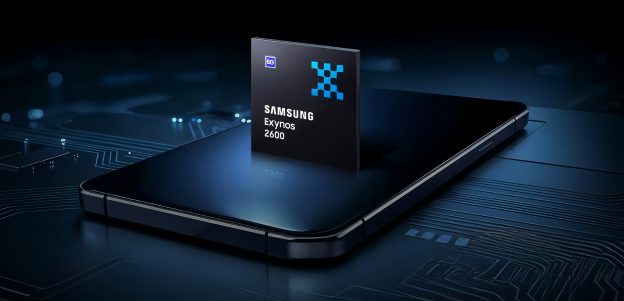
Samsung’s Exynos 2600 is reportedly facing challenges in power efficiency. According to Chosun Biz, tests conducted under identical conditions comparing the chip with Qualcomm’s Snapdragon 8 Elite Gen 5 revealed a battery life gap of up to 28%. While overall performance between the two is considered broadly competitive, the disparity in power efficiency remains unresolved.
To assess real-world performance, Global Economic, citing the testing channel Android Addicts, reports that in a simultaneous usage test, the Exynos model powered off before reaching seven hours, while the Snapdragon model continued running for an additional 2 hours and 38 minutes.
As Chosun Biz notes, power efficiency in the smartphone AP market extends beyond raw performance metrics. Even with similar performance, higher power consumption can lead to greater heat generation and faster battery drain. While benchmark scores may appear strong in short bursts, sustained real-world performance—such as during gaming, video editing, or AI workloads—can decline over time.
Design Trade-offs and Process Maturity Under Scrutiny
Industry observers cited by Chosun Biz attribute the power efficiency gap in part to differences in design strategy. The Exynos 2600 is believed to adopt a more aggressive core configuration to boost multi-core performance. While this approach can improve benchmark results, it may also increase power consumption compared with efficiency-optimized architectures.
Chosun Biz further notes that Samsung’s 2nm process may reveal a gap between expectations and current performance. Although advanced nodes are expected to enhance both performance and efficiency, recent test results suggest the process has yet to fully mature. Further optimization is still needed in areas such as voltage, clock speeds, and thermal management.
Dual AP Strategy Reflects Cost Pressures and Strategic Priorities
As noted by The Elec, Samsung Electronics equips Galaxy S26 standard and Plus models with the Exynos 2600 in Korea and Europe, while using the Qualcomm Snapdragon 8 Elite 5th Generation SoC in other regions. The report adds that this approach has drawn criticism, as device performance varies by region despite similar pricing. However, The Elec notes that Samsung has several reasons for adopting this “dual AP” strategy.
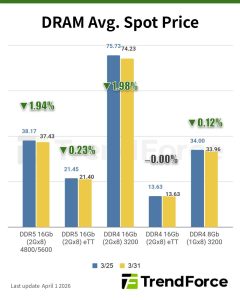
Rising smartphone manufacturing costs have become an urgent concern. The Elec reports that higher memory prices have further increased production costs, prompting Samsung to consider expanding the use of Exynos chips to help contain expenses.
Beyond cost control, Exynos also plays a strategic role in Samsung’s foundry business, the report adds. Producing in-house chips on advanced nodes allows the company to accumulate mass production data, including process recipes, which can improve yields and strengthen trust with external customers.
Read more
- [News] Samsung Reportedly Eyes 2026 Tape-Out for 2nm Exynos 2800; 1.4nm Shift Delayed
- [News] Samsung Unveils Exynos 2600: Industry-First 2nm GAA AP With 113% AI Performance Uplift
(Photo credit: Samsung)