[News] Samsung Reportedly Allocates 50%+ of Pyeongtaek Foundry Capacity to HBM4 Base Die; Said to Win OpenAI Deal
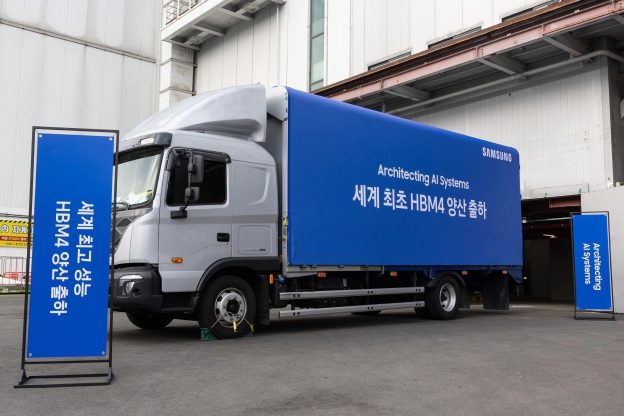
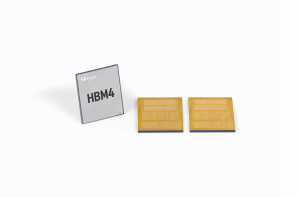
Samsung is reportedly ramping HBM4 base die production at its foundry. According to Hankyung, sources say the company will allocate over half of its Pyeongtaek foundry capacity to in-house HBM4 base dies, rather than external clients. The Pyeongtaek facility has a monthly capacity of 30,000 wafers, the report adds.
The report also notes that Samsung is advancing its HBM4 base die strategy to meet rising customer requirements. It indicates that up to the current mainstream HBM3E, both base die and DRAM were largely handled by the memory division. With HBM4, however, the approach shifts as customers such as NVIDIA and AMD demand higher performance and better power efficiency, increasing the need for foundry-based production. In response, Samsung is leveraging its proven 4 nm foundry process for HBM4 base die manufacturing.
Notably, as the report highlights, the shift is also viewed positively from the foundry division’s perspective. Although Samsung has recently secured AI inference chip orders such as Groq 3 from customers including NVIDIA, external demand alone has not been sufficient to fully utilize capacity. With internal orders ramping up this year, utilization at the Pyeongtaek lines has reportedly surpassed 90%.
Sources further note that Samsung’s HBM base die output is expected to continue rising annually, driven by sustained interest from major customers in next-generation products such as HBM4E (7th generation) and custom HBM, where base die performance is a key differentiator.
Samsung Reportedly Wins OpenAI HBM4 Supply Deal
Amid efforts to expand HBM4 base die production at its foundry, Samsung may have secured another major HBM4 customer. According to a separate Hankyung report, sources say Samsung Electronics is set to exclusively supply HBM4 to OpenAI for the first time in the second half of 2026, with the memory to be used in its in-house AI chip, Titan (first generation). As the report indicates, part of Samsung’s total HBM4 output for the year, exceeding 5.5 billion gigabits, is said to be allocated to OpenAI, with volumes reportedly ranking third after NVIDIA and AMD.
Industry sources cited by the report add that, as OpenAI may have selected Samsung as its initial HBM supplier, Samsung’s HBM could also be considered for future second- and third-generation Titan chips. OpenAI’s Titan is an AI-focused chip developed in partnership with leading semiconductor design firm Broadcom, which is expected to enter production at TSMC in the third quarter, with a launch targeted toward year-end.
Read more
- [News] AMD Secures Samsung HBM4 for MI455X; Deal May Tie Partial AI Chip Shift to Samsung Foundry
- [News] Memory Giant Shifts Strategy: Samsung Reportedly Eyes 3–5 Year Contracts to Stabilize Supply
(Photo credit: Samsung)