Popular Keywords



About TrendForce News
TrendForce News operates independently from our research team, curating key semiconductor and tech updates to support timely, informed decisions.
[Insights] AI Power Demand Drives HVDC Shift in Data Centers; Full-Stack Integration Emerges as Key
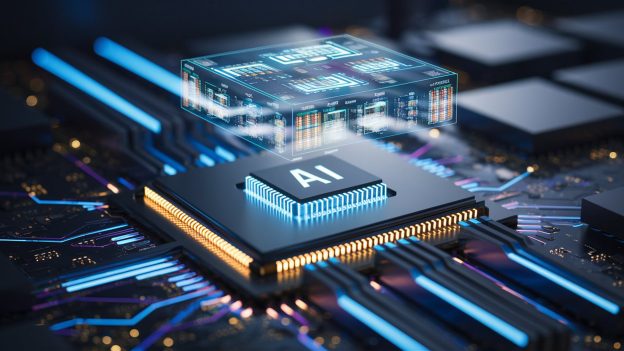
As AI computing demand surges and energy consumption challenges intensify, power supply solutions are drawing growing attention across the industry. According to TrendForce on TechNews, the sector is shifting away from traditional architectures toward high-voltage direct current (HVDC) power systems, while also exploring forward-looking technologies ranging from HVDC Power Racks to solid-state transformers (SSTs).
TrendForce’s analysis shows that IT rack power systems currently account for about 3–5% of data center CapEx. In the near term, adoption of HVDC Power Rack solutions will require higher-spec upgrades to support high-voltage architectures, likely driving up costs and raising the CapEx share of IT rack power systems.
Over the longer term, emerging technologies such as solid-state transformers (SSTs), high-voltage UPS systems, and BBU racks are set to further reshape the power infrastructure landscape. Against this backdrop, competition is increasingly defined by which suppliers can span multiple layers of the data center power architecture.
Currently Only a Handful of Suppliers Can Cover the Full Data Center Power Stack
Looking at the current market landscape, only a limited number of suppliers possess the integrated capabilities to address both data center “gray space” infrastructure and “white space” computing environments. Leveraging its longstanding power electronics expertise and recent deployment of 800V HVDC solutions, Taiwan’s Delta Electronics holds a first-mover advantage in integrating gray and white space within data centers. Meanwhile, Flex has rapidly expanded its reach from critical power systems to the chip level through acquisitions such as Anord Mardix, Crown, and JetCool, building a competitive “grid-to-chip” pathway.
White Space Leaders Step Up Infrastructure Ambitions
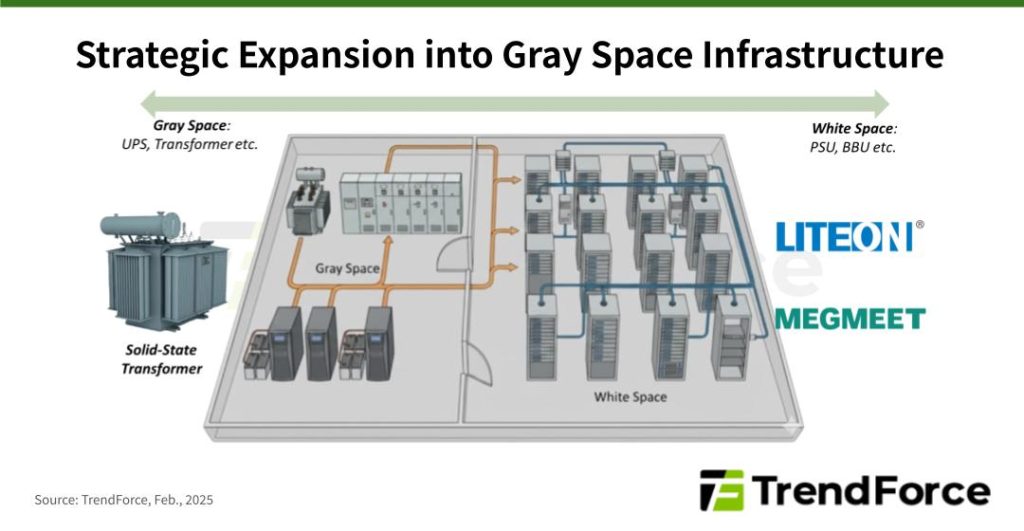
Within the data center white space (computing area) supply chain, Delta Electronics and Lite-On remain leading suppliers. Megmeet has entered NVIDIA’s supply chain, but its market share is still expected to take time to build. In response to the shift toward 800V HVDC architecture, Lite-On and Megmeet are expanding their strategic positioning.
Lite-On has set up a dedicated data center infrastructure R&D division and is investing heavily in solid-state transformer SST development, while Megmeet has announced similar efforts to advance its own SST programs. However, entering the gray space requires large-scale system integration capabilities. Compared with leading players, both companies still have significant ground to cover on the infrastructure side.
(Credit: TrendForce)
Gray Space Giants Expand into AI Computing Power
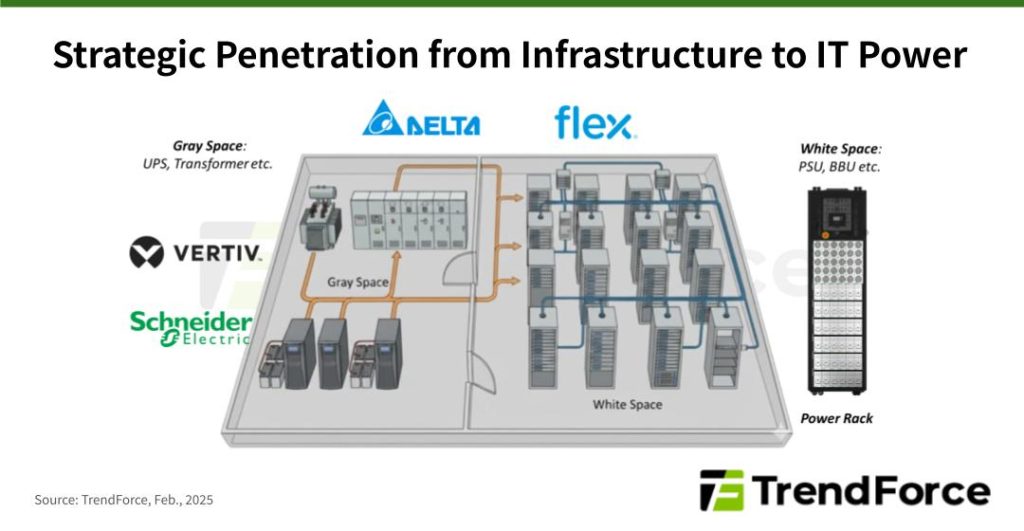
By contrast, Vertiv and Schneider Electric—long-established leaders in the data center gray space infrastructure market—are actively extending their traditional product lines from large-scale UPS and power distribution systems into the white space core as AI-driven computing continues to raise power density requirements. Both are accelerating their deployment of Power Rack solutions.
However, due to their limited long-term design experience in products such as PSUs and BBUs, the two companies are still regarded as new entrants in this segment. Industry sources suggest that, in order to fill technological gaps and accelerate market entry, they are seeking system integration partnerships with established suppliers.
(Credit: TrendForce)
Grid-to-Chip: The Next Phase of Data Center Power
Taken together, these developments show that the data center power market has shifted from competition over individual product specifications to a broader race for ecosystem integration. As HVDC reshapes technical architectures, supply chain players are redefining their roles and pursuing cross-disciplinary technologies to deliver comprehensive grid-to-chip power solutions. TrendForce notes that as AI data centers demand ever higher energy efficiency, only vendors with end-to-end system integration capabilities will be positioned to stand out amid the ongoing supply chain reshuffle.
Read more
- AI Data Centers Ignite a Laser Shortage Wave; Nvidia’s Strategic Lock-In Reshapes the Global Laser Supply Chain, Says TrendForce
- Data Center Power Doubling? Next-Gen Efficiency & Sustainability Guide
(Photo credit: FREEPIK)
Please note that this article cites information from TechNews.