Popular Keywords



About TrendForce News
TrendForce News operates independently from our research team, curating key semiconductor and tech updates to support timely, informed decisions.
[News] TSMC Reportedly to Upgrade Kumamoto 2nd Plant to 3nm, Boosting Japan’s Chip Capabilities
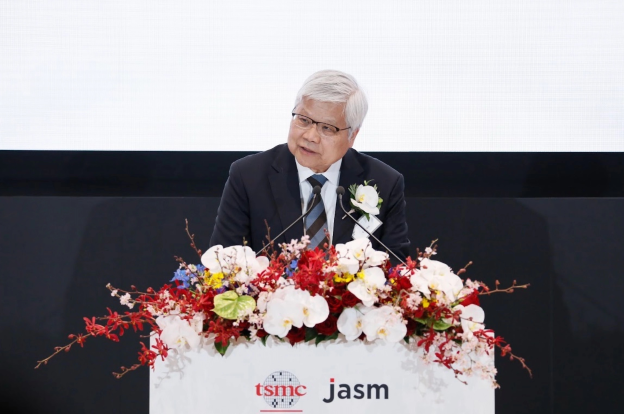
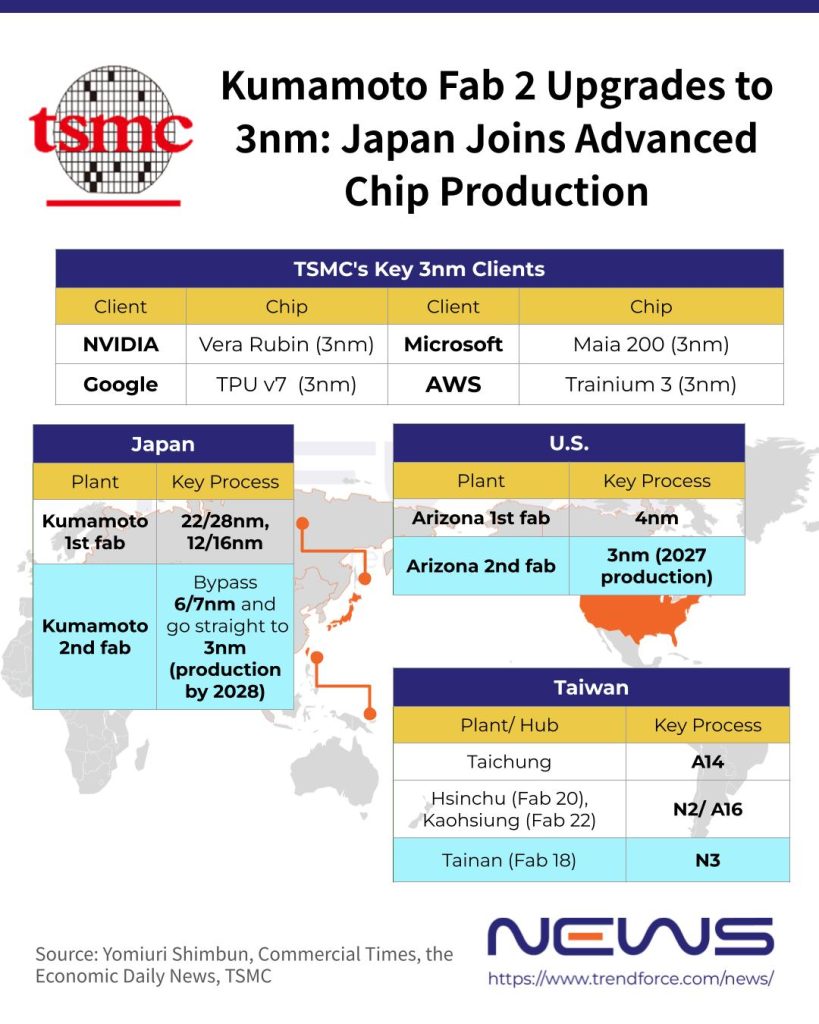
While TSMC’s Japan operations have been suffering from lackluster automotive chip demand, the company is now mulling to make a bold pivot in its process strategy to capitalize the AI opportunity. According to Yomiuri Shimbun, the foundry giant has finalized plans to mass-produce Japan’s first 3nm semiconductors at its Kumamoto facility, with the total investment expected to reach $17 billion (around ¥2.6 trillion).
Yomiuri Shimbun reveals that TSMC executives are expected to visit the Prime Minister’s Office this morning to brief Prime Minister Sanae Takai directly on the company’s revised chip plan in Kumamoto. The company had originally planned to invest $12.2 billion to produce 6–12nm chips at its second Kumamoto plant, the report adds.
The Japanese government, which has already subsidized the project and views it as pivotal for strengthening domestic semiconductor capacity and economic security, is expected to back the upgraded 3nm plan, a per Yomiuri Shimbun.
In October, 2025, TSMC Chairman C.C. Wei confirmed that construction has begun on the company’s second plant in Kumamoto, Japan. As reported by Commercial Times, Wei noted that the second Kumamoto plant’s capacity will be adjusted according to customer demand and market conditions, primarily producing 6nm chips for the domestic Japanese market.
TSMC’s first Kumamoto facility, on the other hand, began mass production at the end of 2024 with strong yields, serving local customers’ CIS (image sensor) needs using 28/22nm and 16/12nm processes.
Japan Steps Up in Advanced Semiconductor Competition
Yomiuri Shimbun underscores the significance of the move: TSMC’s 3nm chips are expected to power AI data centers, autonomous vehicles, and robotics, yet Japan currently lacks domestic production capacity for such advanced semiconductors. With the government having already approved up to ¥732 billion in subsidies for TSMC’s second Kumamoto plant in 2024, officials see the new 3nm plan as a major boost to Japan’s chip-making capabilities and are reportedly considering additional support.
The initiative reflects Japan’s efforts to avoid being sidelined in the global semiconductor race at a time TSMC ramps up its U.S. expansion. TSMC had earlier announced plans for six chip fabs, two packaging plants, and an R&D center at its Arizona site, aiming to invest around US$165 billion and produce roughly 30% of its advanced semiconductors in the U.S.
Notably, Japan’s Rapidus plans to mass-produce 2nm chips in Hokkaido starting in fiscal 2027. The government believes the applications differ from TSMC’s 3nm chips and that the two companies will not directly compete in the market, according to Yomiuri Shimbun.
Read more
(Photo credit: TSMC)
Please note that this article cites information from Yomiuri Shimbun and Commercial Times.