Popular Keywords



About TrendForce News
TrendForce News operates independently from our research team, curating key semiconductor and tech updates to support timely, informed decisions.
[News] Memory Shortages Reportedly Spark CSP Buying Spree; 2027 Supply Contracts Eyed as Early as Q1
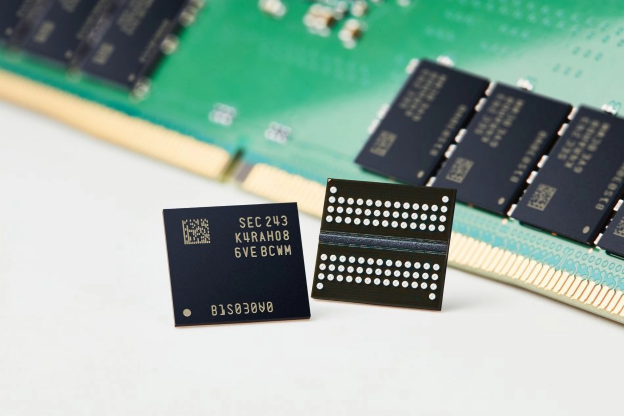
As demand for AI servers continues to surge, memory capacity has become exceptionally tight. According to Commercial Times, U.S. and Chinese cloud service providers (CSPs) are engaging in aggressive purchasing, leaving global memory capacity for 2026 nearly sold out. Industry sources add that supply contracts for 2027 could be finalized as early as the first quarter, with tight supply conditions likely to persist into 2027.
Tight Memory Supply to Persist as Capacity Expansion Lags
The situation is unlikely to ease in the near term, as the three major memory makers are not expected to deliver meaningful capacity expansions anytime soon. According to the report, SK hynix’s 2026 capital expenditure will remain focused on HBM and DRAM, with no significant NAND expansion planned, while additional capacity from Samsung and Micron is unlikely to make a material contribution until the second half of 2027.
Meanwhile, the report notes that module makers are facing component shortages and rising allocation pressure, with large manufacturers receiving only 30%–50% of their originally requested chip volumes. Traditional applications such as smartphones and PCs have been pushed further down the allocation queue, leaving most brand vendors able to secure only 50%–70% of their planned supply this year. As a result, major PC brands including Dell, HP, and Lenovo warn that tightening memory supply and accelerating cost increases could eventually be passed on to end prices, the report indicates.
According to TrendForce, conventional DRAM contract prices in 1Q26 are forecast to rise 55–60% quarter over quarter, while server DRAM prices are projected to surge by more than 60% QoQ. Meanwhile, NAND Flash prices are expected to increase 33–38% QoQ, with demand becoming increasingly polarized between consumer and AI applications. TrendForce adds that enterprise SSDs are set to become the largest NAND segment, while client SSD prices are forecast to climb by more than 40%.
Taiwanese Memory Makers to Benefit From Tight Supply
Taiwanese memory makers are expected to benefit from the current wave of tight memory supply. Institutional investors cited by MoneyDJ say that as the three major memory suppliers gradually exit the DDR4 market, Nanya Technology has emerged as a key beneficiary, operating at full capacity with relatively low inventory levels while DDR4 contributes more than half of its revenue. Nanya announced on the 6th that its December 2025 revenue reached NT$12.017 billion, up 18.18% month over month and 444.87% year over year, while full-year revenue totaled NT$66.587 billion, representing a 95.09% annual increase.
Commercial Times also notes that Winbond Electronics, supported by its focus on niche DRAM and specialty memory products, has stronger pricing pass-through capability and greater flexibility in capacity allocation. According to MoneyDJ, institutional investors estimate that Winbond’s DRAM average selling prices could rise by around 40% QoQ this quarter, with momentum expected to extend through the year.
Read more
- Memory Makers Prioritize Server Applications, Driving Across-the-Board Price Increases in 1Q26, Says TrendForce
- [News] Samsung, SK Reportedly Hike Server DRAM Prices 60-70% – Google, Microsoft in the Queue
(Photo credit: Samsung)
Please note that this article cites information from Commercial Times, MoneyDJ, and Nanya Technology.