Popular Keywords



About TrendForce News
TrendForce News operates independently from our research team, curating key semiconductor and tech updates to support timely, informed decisions.
[News] Samsung, SK hynix Reportedly Plan ~20% HBM3E Price Hike for 2026 as NVIDIA H200, ASIC Demand Rises
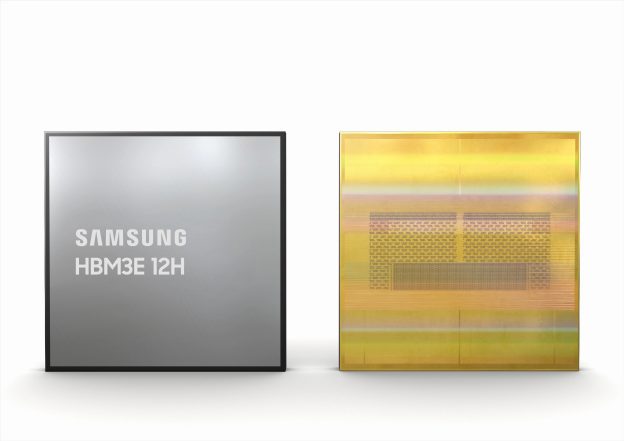
AI-driven demand is reshaping the memory market, with HBM3E pricing expected to trend higher amid tightening supply. According to Chosun Biz, following reports that NVIDIA has been approved to sell its H200 AI chips to China, sources say Samsung Electronics and SK hynix have raised HBM3E supply prices by nearly 20% for 2026.
Such a price hike is considered unusual, the report notes. While HBM3E became the HBM market’s mainstream product this year and prices were expected to ease as HBM4 enters the market next year, ongoing launches of AI accelerators using HBM3E by global big tech firms, including NVIDIA, are keeping demand on a steady growth path.
HBM3E Demand Surges Following H200 Export Approval
One key factor, as highlighted in the report, is that demand for HBM3E has exceeded expectations following approval for NVIDIA’s H200 AI chip exports to China, with each H200 said to incorporate six stacks of HBM3E. Sources cited by Reuters indicate that NVIDIA plans to fulfill initial orders using existing inventory, with shipments projected at 5,000 to 10,000 chip modules—equivalent to roughly 40,000 to 80,000 H200 AI chips. Reuters adds that the company is also preparing to expand production capacity, with orders for the additional output expected to open in the second quarter of 2026.
Google and Amazon Drive Additional HBM3E Demand
Beyond NVIDIA, the report notes that major tech firms such as Google and Amazon are also seeing rising HBM3E demand, as Google’s Tensor Processing Unit (TPU) and Amazon’s Trainium—both equipped with HBM3E—are scheduled to begin shipments in 2026. The report adds that HBM content per accelerator is expected to increase by roughly 20–30% compared with earlier generations. Google’s seventh-generation TPU is said to integrate eight HBM3E stacks per chip, while Amazon’s Trainium3 reportedly uses four stacks.
HBM4 Expansion Likely to Tighten HBM3E Supply
Meanwhile, the report notes that as Samsung Electronics and SK hynix are expected to prioritize ramping up production of next-generation HBM4, HBM3E supply remains tight and continues to lag demand. Analysts cited in the report forecast that next year’s HBM revenue mix will be approximately 55% HBM4 and 45% HBM3E, with HBM4 beginning in the third quarter to rapidly absorb demand that had previously been served by HBM3E.
Read more
- [News] SK hynix, Samsung Reportedly Deliver Paid HBM4 Samples to NVIDIA Ahead of 1Q26 Contracts
- [News] Samsung HBM4 Reportedly Beats Expectations in Broadcom Test, Set to Lead 2026 Google TPU Supply
(Photo credit: Samsung)
Please note that this article cites information from Chosun Biz and Reuters.