Popular Keywords



About TrendForce News
TrendForce News operates independently from our research team, curating key semiconductor and tech updates to support timely, informed decisions.
[News] NAND Flash “Dry Year” Looms as Stock-Out Risk Reportedly Forces PC OEMs to Cut SSD Specs
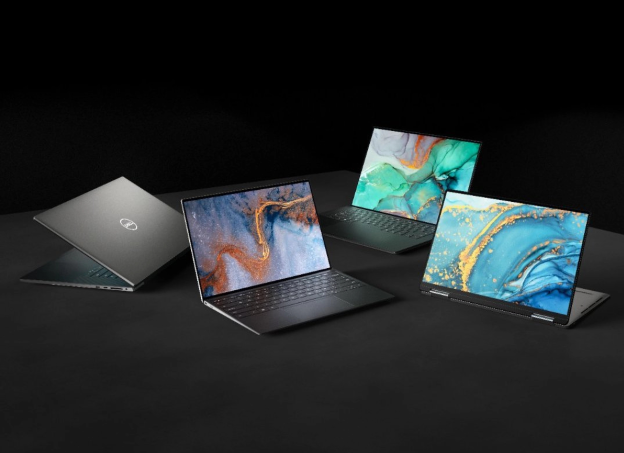
As major PC/NB brands—including Dell and Lenovo—have reportedly warned clients of imminent price hikes, the memory market’s supply–demand imbalance is worsening rapidly. Commercial Times reports that the NAND Flash shortage is morphing into a full-fledged “dry-year,” prompting multiple PC/NB OEMs to plan SSD capacity downgrades in 2026 to keep device prices from spinning out of control.
According to memory module makers cited by the report, industry peers have inventory that will only last until 1Q26, with some expected to run out of stock as early as March. industry sources further note that the scramble for NAND since Q4 has been “the toughest in nearly a decade,” warning that by 2Q26, the market may face a scenario where there’s simply no stock left to ship.
Thus, supply-chain sources cited by the report say PC OEMs are now reworking their 2026 product specs as NAND allocations fall short and costs surge. Standard SSD configurations such as 512GB are reportedly being cut to 256GB, and 1TB models are being scaled back to 512GB.
NAND Price Surge at Full Throttle
Commercial Times also brings up that NAND prices are rising at an unusually rapid pace, adding Micron’s latest quotes jumped nearly 50% in a single month, raising fears that suppliers may hike prices again before shipment. To avoid this, many are shifting to open-order (floating price) arrangements, the report adds. Industry players cited by the report admit that while orders are pouring in, taking them at fixed prices could actually deepen losses.
TrendForce predicts that average enterprise SSD contract prices will rise by more than 25% QoQ in Q4, potentially leading to another industry revenue record.
NAND Supply Strained by Conservative Expansion and AI Demand
TrendForce observes that tight supply reflects cautious NAND Flash makers, still hesitant to expand after years of volatility, leaving enterprise SSD output far behind soaring demand. Commercial Times adds that Samsung, SK hynix, and Micron have yet to announce capacity expansions—understandable given memory manufacturing’s heavy capital intensity, six-month equipment lead times, and seven- to ten-year payback periods.
At the same time, CSPs are boosting inventories to secure SSDs for costly AI server deployments, effectively crowding out NAND supply for PCs, TrendForce notes.

Read more
- [Exclusive] Memory Crunch Hits PCs: Dell Hikes Prices 15-20% Mid-December, Lenovo from January 2026
- [News] Smartphone Memory Inventories Reportedly Fall Below 4 Weeks, Low-End Devices in the Crosshairs
(Photo credit: Dell’s X)
Please note that this article cites information from Commercial Times.