Popular Keywords



About TrendForce News
TrendForce News operates independently from our research team, curating key semiconductor and tech updates to support timely, informed decisions.
[News] Samsung MX Faces Galaxy S26 Cost Pressure as Memory Division Reportedly Sticks to Quarterly Pricing
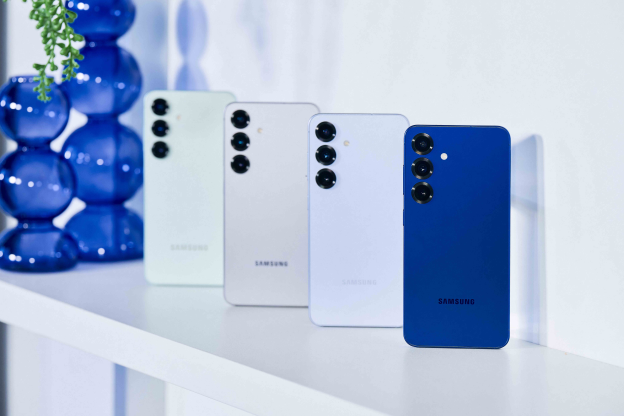
With Galaxy S26 slated for release in 2026, Samsung’s MX Division, which oversees smartphone production, is grappling with sharply rising costs amid the ongoing “memory super-cycle,” while the company’s Device Solutions (DS) Division remains firmly focused on profitability. According to Sedaily, citing sources, the DS Division has decided to continue supplying memory chips to the MX Division through quarterly negotiations. Although the two sides discussed the possibility of a long-term mobile DRAM supply contract lasting more than a year, the DS Division ultimately chose to maintain the existing three-month, quarter-by-quarter arrangement.
The report explains that the decision comes as Samsung’s semiconductor unit shifts its production lines toward high-margin products such as HBM for AI accelerators and low-power DRAM (LPDDR) for mobile devices, as part of a broader effort to maximize profitability.
Even so, the report adds that the two divisions reached a general agreement on minimum supply volumes for 2026, ensuring the MX Division avoids the worst-case scenario of being unable to obtain sufficient mobile DRAM. However, with memory prices climbing almost daily, the MX Division still faces pressure from having to renegotiate terms every quarter.
Soaring Chip Prices Strain MX Profitability
The MX Division pushed for a long-term contract as mobile DRAM prices continued to soar. According to the report, LPDDR5X 12GB, widely used in the Galaxy lineup, was trading at around USD 70 as of late November, more than double its price of about USD 33 earlier in 2025. The MX Division is growing increasingly concerned about safeguarding its margins, particularly as the cost of mobile application processors (APs), the largest component of smartphone production expenses, keeps rising each quarter.
As the report indicates, mobile APs typically make up about 20% of a smartphone’s production cost, while memory semiconductors account for roughly 15%. With chip prices climbing sharply, their combined share has increased by at least five percentage points.
Samsung Electronics is reportedly considering raising the factory price of its Galaxy S26 series, which is set to launch early next year, according to eDaily. The company had kept prices for this year’s S25 lineup unchanged to preserve market competitiveness, but rising component costs are now creating pressure to move higher. With purchase prices for mobile application processors (APs) — a major cost driver — climbing, and memory prices surging as well, Samsung is increasingly facing the need to adjust its pricing strategy.
Read more
- [News] Memory Price Rally May Run Past 2028 as Samsung, SK hynix Reportedly Cautious on Expansion
- [News] Samsung Reportedly Plans 200K 1c DRAM Wafers/Month by 2026, About One-Third of Its Total Output
- [News] Samsung Reportedly Eyes Feb. 2026 Galaxy S26 Launch; Ultra Model May Stick With Qualcomm
(Photo credit: Samsung)