Popular Keywords



About TrendForce News
TrendForce News operates independently from our research team, curating key semiconductor and tech updates to support timely, informed decisions.
[News] Renesas Reportedly Pushes 2030 Sales Goal Back 5 Years After JPY250B Hit from Wolfspeed Fallout
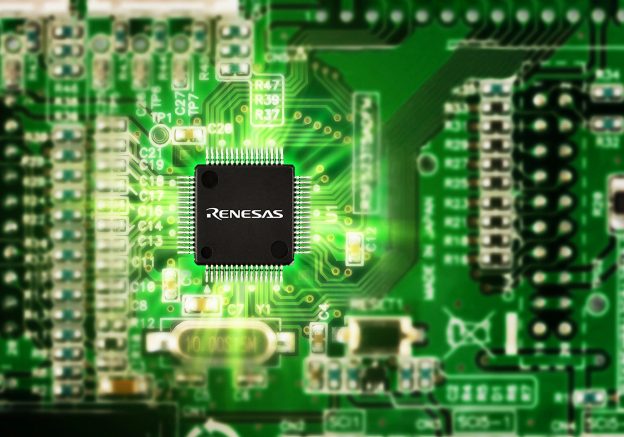
Facing Wolfspeed’s looming bankruptcy, Renesas has signed a Restructuring Support Agreement (RSA) with the SiC giant and expects to book a loss of about JPY 250 billion in the first half of fiscal 2025 (January to June), as noted in its press release. In the wake of this setback, Japanese media outlets Tokyo Shimbun and Nikkei report that Renesas is delaying its sales targets by five years.
According to the reports, Renesas has delayed its business targets by five years, citing a tougher semiconductor market and acknowledging the original timeline is no longer realistic. The company had aimed to exceed $20 billion (approx. ¥2.9 trillion) in revenue and boost its market capitalization sixfold to over ¥10 trillion by 2030, based on 2022 levels, the reports add.
According to Nikkei, Renesas will refocus on its core strength—a value-added model that integrates multiple semiconductors for industrial equipment. Sluggish EV market growth and a supply glut from aggressive Chinese production have driven down prices, reportedly prompting the company to abandon its plans to manufacture silicon carbide (SiC) power chips for EVs in early 2025, Nikkei suggests.
China’s Emergence
According to the latest research from TrendForce, intensifying competition and sharp price declines have driven global revenue for N-type SiC substrates down 9% year-over-year to USD1.04 billion.
Notably, Chinese vendors TanKeBlue and SICC have rapidly risen to prominence, capturing 17.3% and 17.1% of the global market share in 2024, respectively, as TrendForce points out.
Another report from ijiwei suggests that alongside traditional power giants like Infineon and STMicroelectronics ramping up their SiC efforts in 2024, Chinese manufacturers are rapidly catching up. By closely partnering across industries and research, they cut development time in half and offer lower prices, quickly gaining ground in the mid- to low-end markets, the report notes.
Ijiwei cites China’s SICC as an example, which reportedly surpassed 10K wafers per month in 6-inch SiC substrate capacity in 2024. With a cost advantage rooted in domestic supply chains, its product prices are 15–20% lower than international peers, helping it enter the supply chains of automakers like BYD and XPeng, the report indicates.
Read more
- [News] Renesas Reportedly Abandons SiC Production Plan Amid Chinese Price War, Wolfspeed Uncertainty
- [News] Wolfspeed’s Rumored Bankruptcy Puts Renesas’ $2B SiC Supply Deal at Risk
- Global SiC Substrate Revenue Declines 9% in 2024; Long-Term Demand Remains Strong as 8-Inch Roadmap Gains Momentum, Says TrendForce
(Photo credit: Renesas)
Please note that this article cites information from Tokyo Shimbun, Nikkei, ijiwei and Renesas.