





 Download Report
 Contact Us
The Rise of EV Supply Chain Resilience: New Global Energy Landscape Amid Oil Crisis

Last Modified
2026-07-28

Update Frequency
Not

Format
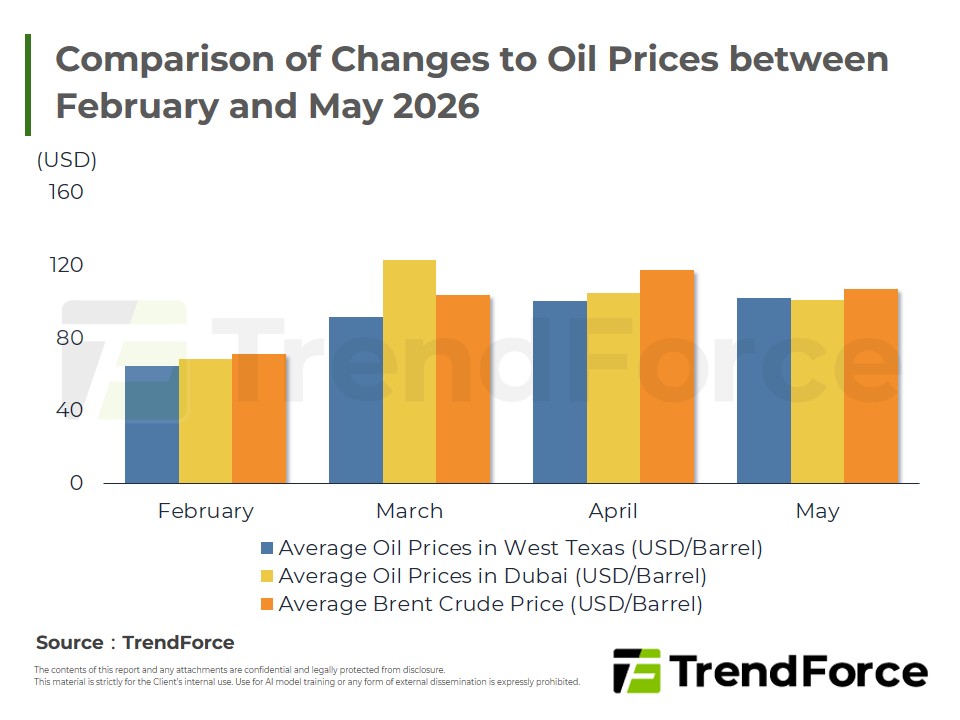
The war between the US and Iran that broke out in 1H26 indirectly reshaped the global energy architecture. The conflict triggered a blockade of the Strait of Hormuz, pushing international oil prices above US$100 per barrel and exposing the extreme vulnerability of the global fossil‑fuel system. In this crisis, the role of NEVs underwent a fundamental transformation. They are no longer merely carbon‑reduction tools under the framework of the Paris Agreement, but have risen to become mobile energy‑storage units and de‑oil‑dependence tools within national energy‑security strategies. As automobiles are key instruments of human economic activity, any change in their energy structure has far‑reaching effects on a country’s economic resilience. By reducing reliance on gasoline, NEVs help economies build energy resilience against geopolitical conflicts.
Key Highlights
- US-Iran war blockaded Hormuz, spiking oil prices, exposing fossil-fuel fragility.
- NEVs became strategic energy-security and storage assets, not just decarbonization tools.
- Vehicles anchor economic activity; less oil reliance via NEVs boosts national resilience to geopolitical shocks.
Table of Contents
- US-Iran War Led to Global Oil Price Hikes; Fragility of Oil-Based Transportation System Now Plainly Visible
- Figure 1: Comparison of Changes to Oil Prices between February and May 2026
- Transformation of Roles: NEVs Altered from Carbon-Reduction Tools to Energy-Hedging Vehicles
- Figure 2: Comparison of TCO between Fuel Vehicles and BEVs Over 5 Years
- From Passive Risk Circumvention to Active Deployment; Projection on Restructuring of NEV Industry Chain
- Table 1: Comparison of Impact on Emerging Automotive Forces by 2nd Oil Crisis
- Taiwan’s Challenges and Opportunities
- TRI’s View
- Table 2: Key Initiatives by Countries Worldwide to Reduce Reliance on Fossil Fuel Power Generation Following the Iran–US Conflict
<Total Pages: 14>

Spotlight Report
-

AI Wave & DRAM Deficits: 2027 Global DRAM Outlook
2026/07/28
Selected Topics
PDF
-

SLC NAND Price Surge: Global Capacity Gap & Substitution Wave in 2H 2026
2026/07/06
Selected Topics
PDF
-

AI Surge Drives NOR Flash Deficit: 2026 Industry Outlook
2026/09/10
Selected Topics
PDF
-

AI Server Boom Outpaces U.S. Grid Buildout
2026/09/07
Selected Topics
PDF
-

iPhone 18: Modest Hardware Gains, Pricing and AI Drive Sales
2026/09/02
Selected Topics
PDF
-

AI Servers Absorbing LPDRAM Capacity, Signaling Tight Supply as the New Norm
2026/06/05
Selected Topics
PDF
Selected TopicsRelated Reports


Download Report
2,500

Membership
- Selected Topics
- Selected Topics-206_Era of Oil Anxiety: NEVs Redefine Energy Resilience New
Spotlight Report
-
AI Wave & DRAM Deficits: 2027 Global DRAM Outlook
2026/07/28
Selected Topics
PDF
-
SLC NAND Price Surge: Global Capacity Gap & Substitution Wave in 2H 2026
2026/07/06
Selected Topics
PDF
-
AI Surge Drives NOR Flash Deficit: 2026 Industry Outlook
2026/09/10
Selected Topics
PDF
-
AI Server Boom Outpaces U.S. Grid Buildout
2026/09/07
Selected Topics
PDF
-
iPhone 18: Modest Hardware Gains, Pricing and AI Drive Sales
2026/09/02
Selected Topics
PDF
-
AI Servers Absorbing LPDRAM Capacity, Signaling Tight Supply as the New Norm
2026/06/05
Selected Topics
PDF