[News] MediaTek Seen Raising Prices 10–20%, Reportedly Wins TPU v9 Orders on SerDes Shift
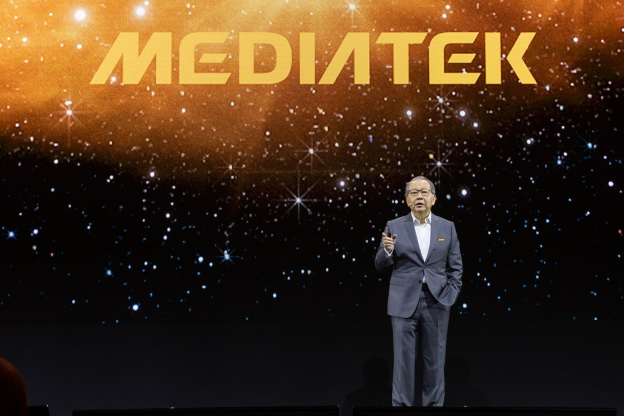
Amid tightening supply conditions that have already prompted price hikes from memory makers and major CPU vendors, leading smartphone chip designer MediaTek is also moving in the same direction. According to TechNews, citing a customer notice, the company has acknowledged that it can no longer fully absorb escalating cost pressures, formally informing clients of its intention to implement broad-based price increases across its chip portfolio.
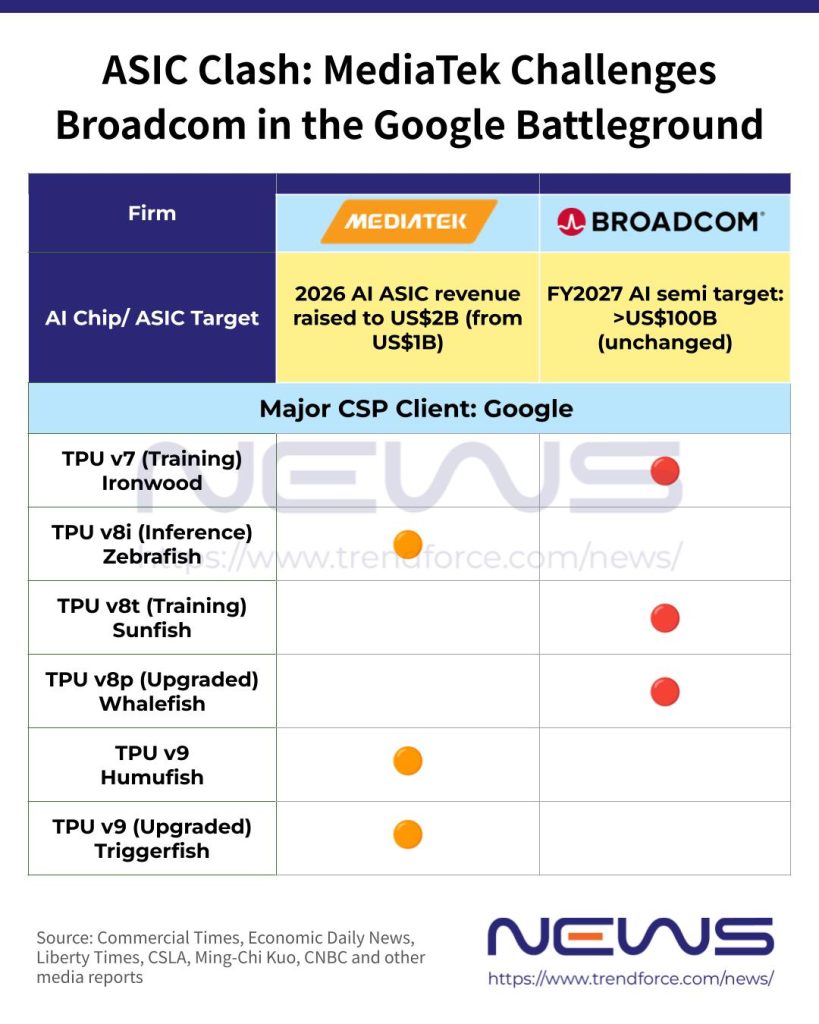
At the same time, MediaTek has also been linked to positive momentum on its ASIC business. Supply chain sources cited by Commercial Times indicate that the company has secured a key role in Google’s next-generation TPU supply chain, reportedly winning major orders for TPU v9 by successfully supporting the adoption of a 336G proprietary SerDes solution.
Reported Price Hike Ranges from 10% to 20%
Against this backdrop, Liberty Times, citing supply chain sources, reports that MediaTek’s price hikes are expected to span multiple product lines, including mobile SoCs and power management ICs (PMICs), with increases ranging from 10% to 15%.
Market chatter around the move has also been building for some time. Investor.com notes that expectations of price hikes have accumulated over the past two months, with MediaTek also said to have communicated the changes informally to select customers. The report adds that the overall increase could reach as high as 20%.
According to TechNews, in a customer letter signed by COO and General Manager Joe Chen, the company highlighted continued structural challenges across the global semiconductor supply chain. The letter outlined five key cost drivers, including unprecedented component shortages, constrained capacity, extended supplier lead times, and rising raw material and logistics costs, all of which are exerting sustained pressure across the industry.
Google TPU Shift
On the other hand, MediaTek is also said to be gaining traction in Google’s TPU supply chain. According to the Commercial Times, Google had initially aimed to adopt a 448G SerDes architecture to significantly enhance TPU bandwidth. However, progress has reportedly lagged due to challenges in signal integrity, power consumption, and thermal management, opening the door for MediaTek to step in with its 336G SerDes solution.
In contrast, Broadcom—previously betting on a 448G SerDes architecture—has lost its leading position for now, constrained by technology maturity and product timeline pressures, the report adds. Industry observers cited by Commercial further note that the DSPs required for 448G optical modules may need to be manufactured on a 2nm process, with meaningful capacity unlikely to ramp until 2028–2029.
Beyond Google’s TPU roadmap, Commercial Times suggests that MediaTek’s AI ASIC presence is also broadening across other cloud service providers (CSPs), with additional design wins expected to emerge in the coming years. Analysts cited by the report have further raised their forecasts for MediaTek’s AI accelerator ASIC revenue to around US$2 billion in 2026, with potential to reach several billion dollars in 2027 as AI-related deployments continue to scale.
Read more
- [News] MediaTek and Qualcomm Race for Bigger AI Roles Through NVIDIA N1X, ASICs, and Dragonfly
- [News] MediaTek Reportedly Doubles 2026 AI ASIC Revenue Target to $2B, Aims 10–15% Market Share
(Photo credit: MediaTek)