[News] NVIDIA, Google Among First 800V HVDC Adopters; Initial 3Q26 Shipments May Boost Infrastructure Suppliers
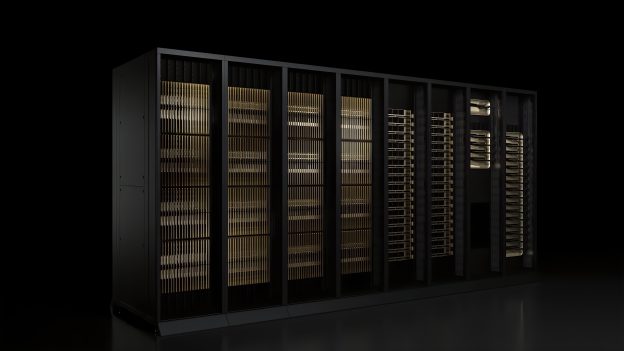
Rapidly rising AI data center power consumption is accelerating adoption of 800V high-voltage direct current (HVDC) architectures. According to Commercial Times, NVIDIA’s Vera Rubin platform and Google’s next-generation AI data centers are reportedly among the first to adopt the technology, driving a new wave of AI infrastructure upgrades. Supply chain sources expect initial shipments to begin in small volumes in the third quarter, creating opportunities across the HVDC ecosystem.
For instance, Delta Electronics is expected to benefit from demand for 800V HVDC rack power systems, battery backup units (BBUs), and energy management platforms, the report adds. Liberty Times also notes that Delta has integrated 800V DC row-based power systems with liquid-cooling technology, while offering 2.4MW liquid-to-liquid cooling systems, high-voltage DC fans, and next-generation cold plate modules.
Institutional investors cited by another report from Commercial Times said the rapid adoption of HVDC will be driven by the sharp increase in power requirements from next-generation AI platforms. NVIDIA’s Rubin Ultra platform is expected to reach 450kW per rack, while the next-generation Feynman platform could require 600kW to 1MW. At these power levels, traditional low-voltage architectures are expected to face efficiency bottlenecks, increasing the importance of high-voltage DC power delivery.
HVDC Deployment Raises the Stakes for Data Center Operations
Meanwhile, the Commercial Times report notes that HVDC adoption is increasing the operational complexity of AI data centers. As 800V DC power systems, high-density GPU racks, and liquid-cooling infrastructure operate in tandem, traditional monitoring approaches that rely solely on the Baseboard Management Controller (BMC) to track server-level conditions are no longer sufficient.
To address these challenges, NVIDIA’s Vera Rubin DSX AI Factory reference architecture incorporates digital twin technology to support the design, deployment, and operation of large-scale AI data centers. The ecosystem includes major global energy and infrastructure providers such as Schneider Electric, Eaton, Siemens AG, and Vertiv.
Institutional investors cited by Commercial Times said competition in AI data centers has expanded beyond GPUs and server hardware to encompass overall energy efficiency and operational capabilities. HVDC, liquid cooling, digital twins, and intelligent sensing technologies are expected to form the core infrastructure of next-generation AI factories.
Read more
- [Insights] AI Power Demand Drives HVDC Shift in Data Centers; Full-Stack Integration Emerges as Key
- 2026 AI Factory Infrastructure Outlook: HVDC Power & Liquid Cooling Trends
(Photo credit: NVIDIA)