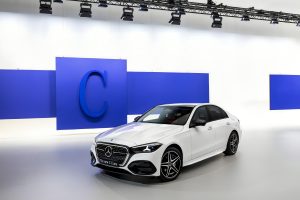
[News] Over 10 Automobile Models Adopted Micro LED Headlamps in 2026, Mercedes-Benz and Audi Included
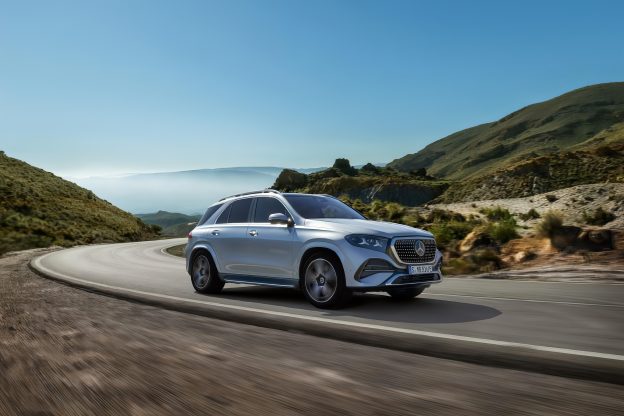
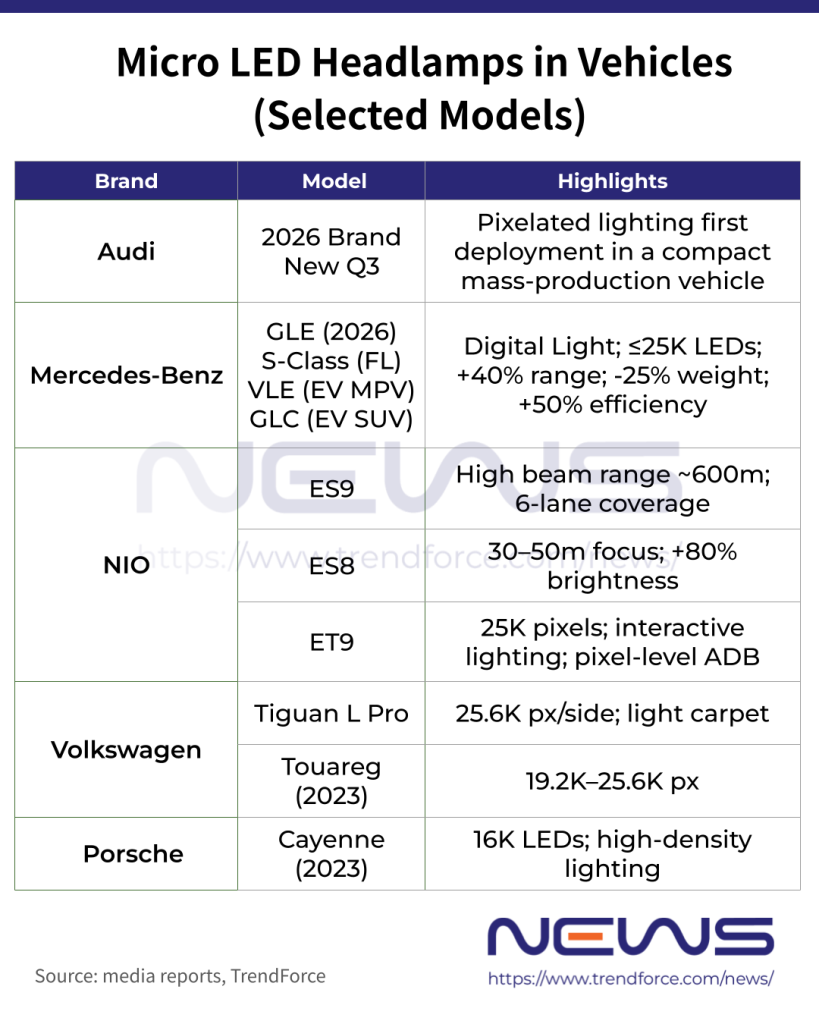
In 2026, Micro LED headlamp is gaining traction among an increasing number of carmakers, with adoption continuing to accelerate. Recently, both Mercedes-Benz and NIO unveiled new models equipped with Micro LED headlamp technology, further expanding the number of vehicles integrating this solution.
Mercedes-Benz Unveils Facelifted GLE with Optional Micro LED Headlamps
Mercedes-Benz recently introduced the facelifted GLE in Europe. The updated model incorporates around 3,000 newly developed or enhanced components, with significant upgrades spanning exterior design, interior features, and the powertrain. Among the optional configurations, the new GLE offers a next-generation digital headlamp system combining Micro LED technology with high-performance chips.
On the in-vehicle display front, the GLE comes standard with the MBUX Superscreen system, consisting of three 12.3-inch displays. Beyond expanded infotainment functions, the system integrates AI software from Microsoft, Google, and OpenAI. In addition, the model debuts an 18-inch AR-HUD.
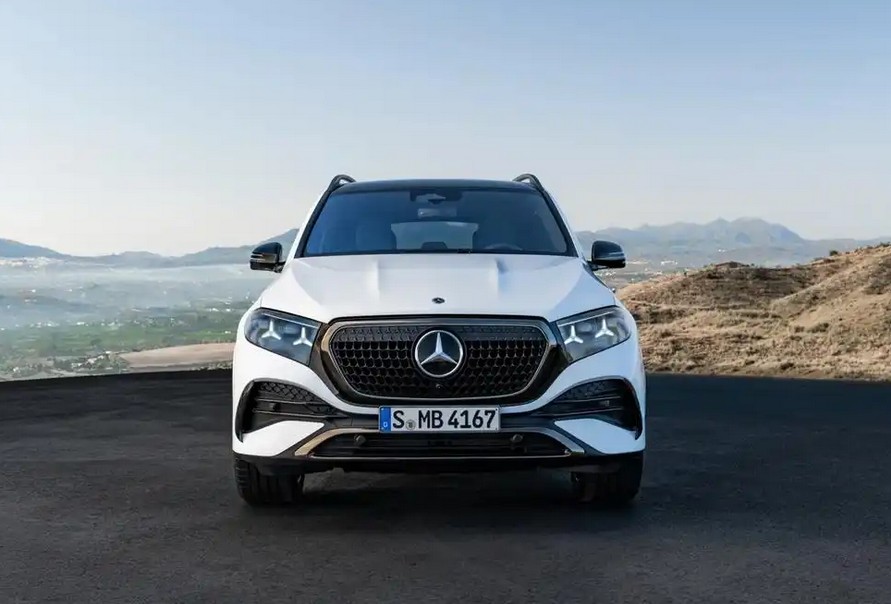
(Credit: Mercedes-Benz)
NIO ES9 Equipped with HDPL Micro LED Headlamps
On April 9, NIO officially launched the pre-sale of its flagship SUV, the ES9. Positioned as a smart electric executive flagship, the model starts at CNY 528,000, or CNY 420,000 under the battery-as-a-service (BaaS) scheme, with deliveries expected to begin in late May.
For automotive displays, the ES9 features a 48-inch Mini LED SkyLine display, alongside a 15.6-inch OLED central control screen, dual 16-inch rear executive displays, and an 8-inch retractable AMOLED control screen. All displays, together with the NOMI intelligent assistant, are exclusively supplied by HIWAY.
In terms of lighting, the ES9 adopts a dual-layer Double-Dash daytime running light design with over 6,826 micro-cut facets to create a diamond-like effect. The headlamp cluster integrates low beam, HDPL (high-definition projection lighting), and ADB (adaptive driving beam) functions.
Notably, the HDPL system utilizes Micro LED technology, offering a high-beam range of up to 600 meters and illumination coverage across six lanes. It supports features such as S-shaped navigation light carpets and 50 m² welcome projections, along with dynamic lighting effects including “Starlight Avenue,” “Galaxy Symphony,” and “Star Curtain.”
This configuration aligns with previous flagship models such as the ET9 and ES8, highlighting the continued penetration of Micro LED lighting across NIO’s premium lineup.
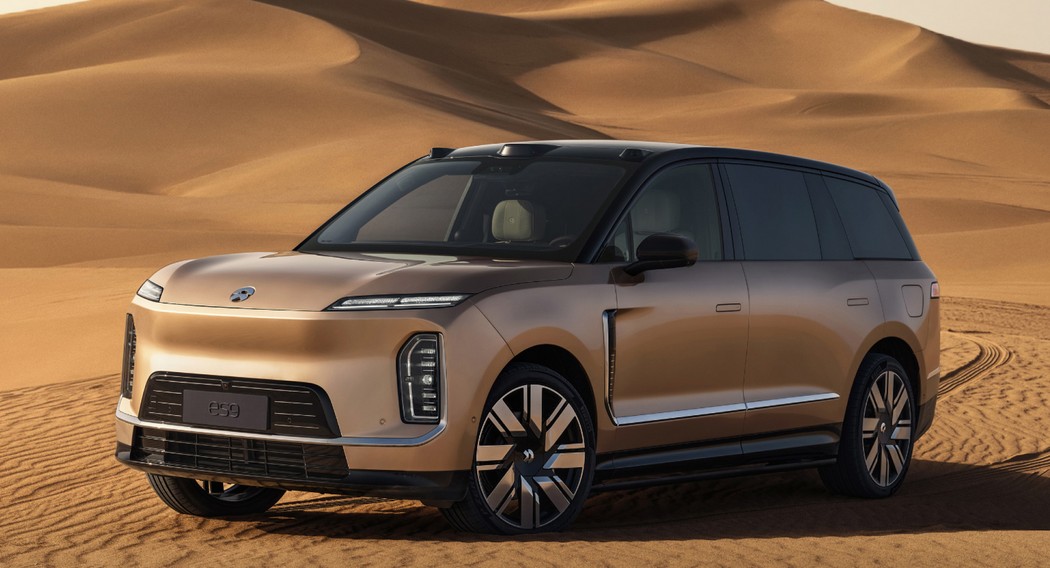
(Credit: NIO)
Accelerating Adoption Drives Industry-wide Advancements
As vehicle intelligence advances, automotive lighting has evolved from a basic illumination tool into an information interaction interface. Micro LED has emerged as a key enabling technology in this transition. With ongoing technological maturation, adoption in premium and luxury vehicles is accelerating.
From a supply chain perspective, international players remain key drivers of commercialization. For instance, ams OSRAM has introduced the EVIYOS HD 25, integrating 25,600 individually controllable Micro LEDs, and already deployed in multiple high-end vehicle models globally.
Meanwhile, Chinese companies are actively advancing Micro LED automotive lighting technologies to meet growing domestic EV demand and global market opportunities. At the 21st ALE Auto Lighting Exhibition 2026 held in March, leading Chinese LED players showcased the latest developments:
- Sanan Optoelectronics: 25,000-pixel Micro LED headlamp
- BOE HC Semitek: 41,140-pixel ADB Micro LED headlamp
- NationStar Optoelectronics: 40,700-pixel digital Micro LED module
- LatticePower: 40,700-pixel Micro LED light source
- APT: advancing automotive-grade ADB Micro LED solutions from thousand- to 100,000-pixel levels
Conclusion
Driven by collaboration across the value chain and adoption by OEMs, Micro LED has steadily phased in the automotive lighting market.
Technically speaking, Micro LED headlamps are evolving toward higher pixel density, lower power consumption, and lighter weight. Compared with alternative solutions, Micro LED offers advantages including higher brightness, improved reliability, smaller form factor, and reduced weight, alongside stronger cost competitiveness at scale.
Looking ahead, both technology adoption and demand are expected to be on the rise. According to TrendForce 2025 Global Automotive LED Market – Lighting and Display Product Trends, the introduction of Mini/Micro LED is expected to drive the development of ADB headlamps. By 2029, global ADB penetration is projected to reach 21.6%, with Micro LED headlamp adoption set to expand further.
(Photo credit: Mercedes-Benz)