[News] Tesla Reportedly Ramps TeraFab Hiring in Taiwan; TSMC Talent Seen as Primary Target
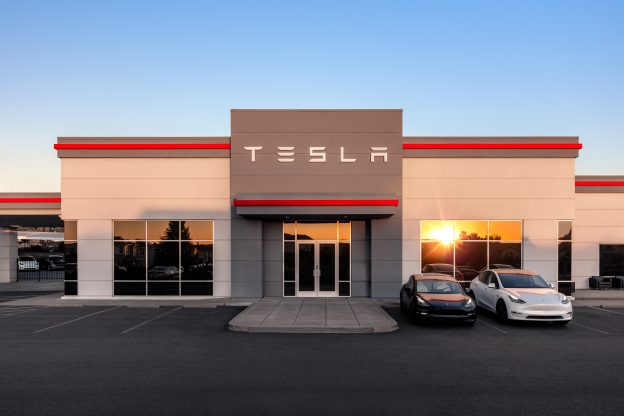
Elon Musk’s TeraFab chip plant, reportedly a $20 billion to $25 billion push into 2nm chips, is ramping talent recruitment, drawing attention as the industry watches its potential impact on TSMC. According to Economic Daily News, Tesla has posted job openings in Taiwan for this effort, targeting senior process integration engineers with over 10 years of experience, seen as aiming at core talent from leading players such as TSMC.
As the report indicates, the role being targeted is a “Process Integration Engineer,” not a general engineering position but one at the core of advanced process integration. The position will lead advanced logic SoC development, covering the full workflow from new product introduction (NPI), mass production yield improvement, process window analysis, process optimization, WAT testing, reliability prediction, product qualification, and DPPM reduction, essentially serving as the foundry’s key “brain” for yield and process integration.
The requirements include a bachelor’s degree or higher and at least 10 years of experience in advanced process development, as the report indicates. Candidates are also expected to be proficient in advanced node technologies such as FinFET, gate-all-around (GAA), and backside power delivery networks (BSPDN), with experience spanning the full process flow across FEOL, MOL, and BEOL.
More importantly, candidates must be able to balance power, performance, area (PPA), and reliability, while bringing hands-on experience in collaborating with external suppliers to translate cutting-edge processes into production. Industry sources say these requirements closely align with key talent at TSMC, advanced packaging firms, and major IC design houses, specifically targeting those who have already gone through generational transitions in advanced process technologies.
Three Major Challenges for Tesla’s TeraFab Plan
Meanwhile, industry observers believe that for Tesla to bring TeraFab into reality, it will require not only more talent but also overcoming at least three major challenges. According to UDN News, the first key question is where the technology will come from. The report notes that competition in advanced processes is driven not only by equipment and capital, but also by long-accumulated process integration capabilities. UDN News adds that even with in-house chip design experience, Tesla would still need to rely on external technology sources to cover the full FEOL to BEOL process flow.
Beyond technology, operational experience presents another hurdle. The second challenge is a lack of wafer fab operating experience. As the report points out, a wafer fab is not just hardware but a highly complex operational system, requiring tight coordination across capacity planning, equipment utilization, yield ramp-up, and customer onboarding schedules.
Scale is another critical factor. The third challenge is how to achieve economies of scale. Advanced process investments often run into the tens of billions of dollars, making them far more capital intensive than typical manufacturing, UDN News notes. Despite Tesla’s strong financial resources, a single fab serving only its in-house automotive and robotics chips may lack sufficient customers, with depreciation costs alone putting pressure on operations.
Read more
- [News] Musk’s Terafab Vision Raises Questions Over TSMC Impact; Advanced Packaging May be Best Entry Point
- [News] Tesla Reportedly Weighs Doubling AI6 Output, May Add Samsung Orders Ahead of Executive Talks
(Photo credit: Tesla)