[News] UMC, VIS, PSMC Reportedly Eye Mature-Node Price Hikes Up to 10% From Apr.; IC Costs May Rise
Mature-node foundries are moving toward a new round of price hikes. According to Economic Daily News, the world’s four major mature-node foundries—including UMC, Vanguard International Semiconductor (VIS), Powerchip, and China’s Nexchip—are reportedly set to raise quotes as early as April, with increases reaching up to 10% or even higher.
As the report notes, UMC declined to comment on market rumors of price hikes. However, the company previously stated that the current pricing environment is “indeed more favorable than before.” TrendForce notes that in 4Q25, UMC remained fourth in global foundry market share with 4.2%. Stable orders from major customers supported both its 8-inch and 12-inch fabs, with utilization rates holding steady compared with the previous quarter.
As for TSMC affiliate VIS, the report notes that the company declined to comment on price-hike rumors, though industry sources say a VIS price-adjustment notice has been circulating. The notice indicates Vanguard plans to adjust foundry prices starting in April 2026, but does not disclose the scale of the increase. Meanwhile, Powerchip confirmed that it has been gradually raising prices since this quarter, mainly adjusting product lines with relatively lower gross margins, the report notes.
China’s Nexchip, the country’s third-largest foundry, is also set to raise foundry prices. According to TechNews, Nexchip announced on March 12 that it will raise foundry fees by 10%, effective June 2026.
Mature-Node Price Hikes May Lift IC Costs
Industry sources cited by Commercial Times say the latest round of mature-node foundry price adjustments is no longer merely an isolated move by individual companies, but reflects broader shifts in supply–demand dynamics and cost structures across the industry. Over the past two years, TSMC has gradually reduced the share of mature-node capacity while redirecting resources toward advanced processes, tightening overall supply in the mature-node market.
Commercial Times notes that while supply has contracted, demand has begun to recover. Automotive and industrial applications are stabilizing, while restocking for server-related power management ICs and display driver ICs is picking up, tightening supply–demand conditions at some process nodes. As a result, foundries are moving to raise prices, which helps improve gross margins and overall profitability structures, the report adds. For IC design houses, however, the increase raises wafer fabrication costs and could pressure margins if the higher expenses cannot be passed on to end-product prices.
For IC design houses, Economic Daily News reports that the packaging process for driver ICs involves gold bumping, and surging gold prices in recent years have pushed packaging houses to pass on higher costs. Companies say they have absorbed these pressures for more than a year and can no longer continue to do so. Starting this quarter, they have begun raising prices for products with high market share or relatively low margins. With wafer foundry quotes expected to rise again and accounting for an even larger share of total IC costs, the higher expenses will inevitably have to be passed on to customers.
Read more
- AI Demand Drives 4Q25 Global Top 10 Foundries Revenue Up 2.6% QoQ; Samsung Gains Share and Tower Moves Up in Rankings, Says TrendForce
- [News] China’s No.3 Foundry Nexchip to Hike Prices 10% from June, Following SMIC, Hua Hong
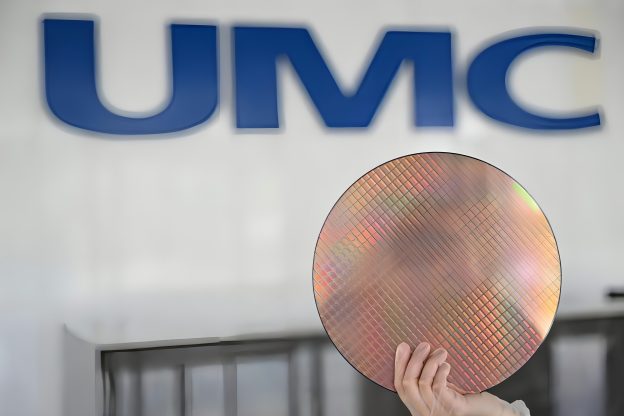
(Photo credit: UMC)
Please note that this article cites information from Economic Daily News, TechNews, and Commercial Times.