[News] China’s Xiaomi, OPPO Reportedly Cut 2026 Shipments Amid Memory Crunch, Huawei Less Affected
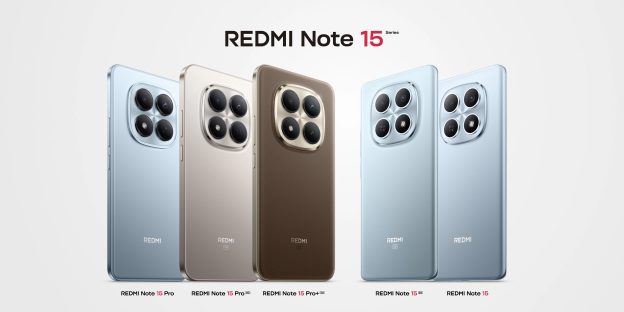
Amid surging memory prices, Chinese smartphone brands are emerging as some of the hardest hit. According to the South China Morning Post and Jiemian News, Xiaomi has trimmed its 2026 shipment forecast by over 20%, while OPPO, Transsion, and vivo have also scaled back their shipment projections.
Notably, the reports point out that Huawei has been better shielded from rising memory costs, leveraging localized supply chains tied to China’s leading memory vendors to preserve some profit margin. Jiemian reports that the company is internally weighing price cuts for its Pura, Nova, and Enjoy series to further expand market share.
Other Chinese smartphone makers, however, are facing a far tougher outlook. The South China Morning Post reports that Xiaomi has cut its shipment guidance to suppliers by 10–70 million units from a 180 million target set in Q4 last year. Separately, Jiemian says OPPO has slashed its 2026 outlook by over 20%, vivo by nearly 15%, with cuts concentrated on mid- to low-end models and overseas markets.
Transsion, the Shenzhen-based budget smartphone maker, has cut its 2026 shipment target by 30–45 million units from an initial forecast of around 115 million, according to supply chain sources cited by the South China Morning Post.
Not all smartphone makers are retrenching amid rising cost pressures. Jiemian News reports that, alongside Huawei, top-tier brands such as Apple and Samsung have yet to feel a direct hit from higher memory prices, while China’s Lenovo and Honor are using the latest price upswing to pursue market-share gains. Honor, despite facing similar cost pressures, is sticking to its 15% market share target in China, the report adds.
Output Adjustments Under Watch
However, Jiemian also notes that smartphone makers often inflate their orders to secure resources from upstream suppliers, and in reality, memory vendors like Samsung and SK hynix have not received any official notice of reduced expected shipments.
A source from a major memory supplier told Jiemian that smartphone orders are largely matching last year’s shipments with only a slight dip. Transsion, for example, still expects over 100 million units in 2026, reflecting about a 10% cut in actual volumes, the report adds.
TrendForce, in line with this trend, has lowered its forecast for total smartphone production in 2026 due to a weak macroeconomic environment, more cautious consumer behavior, and steadily rising memory prices. The expected year-on-year decline has increased from 2% to 7% compared to the November 2025 estimate. Future revisions will depend on upcoming memory price movements, how much brands adjust their prices, and the market’s acceptance of higher handset costs.
Read more
- [News] Xiaomi 17 Ultra Price Hike Reportedly Confirmed: Memory Crunch Forces Notable Increase
- [News] Memory Crunch Hits Smartphones: Xiaomi Flags 2026 Price Hikes, Samsung Under Memory, AP Pressure
- [News] Memory Crunch Hits China: Xiaomi, Huawei Reportedly Tap Domestic Suppliers
(Photo credit: Xiaomi)
Please note that this article cites information from South China Morning Post and Jiemian News.